
ESA Partners with Siloton to Deploy Coin-Sized Eye Scanners for Deep Space Missions
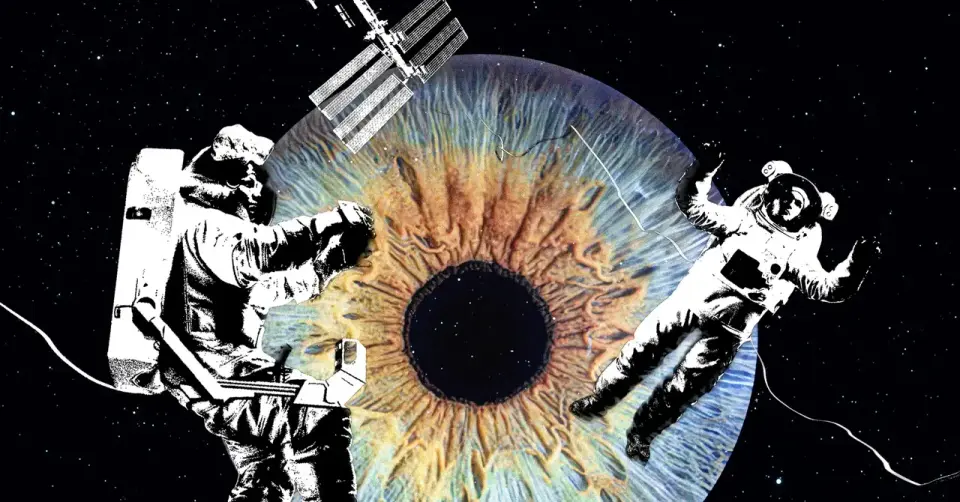
The European Space Agency has commissioned British startup Siloton to develop a compact, autonomous eye-scanning device for astronauts. This technology aims to detect Spaceflight-Associated Neuro-Ocular Syndrome (SANS) without ground support, addressing vision loss risks in long-duration missions like Artemis.
Key points
- ESA commissioned Siloton to create a photonic chip-based eye scanner smaller than a coin, utilizing quantum technology to miniaturize standard optometry equipment.
- The device is designed to automate retinal scans, eliminating the need for real-time expert guidance from Earth, which becomes impossible due to communication delays in deep space.
- SANS affects approximately 70% of ISS astronauts, causing fluid buildup in the head that squashes eyeballs and swells optic nerves, potentially leading to permanent vision impairment.
- Siloton is currently testing similar technology with the UK’s National Health Service for home-based retinal scans, using the same core components adapted for space environments.
- Technical challenges include avoiding battery fire risks and designing head-holding mechanisms that function without gravity, though the company notes that testing with elderly patients is more difficult than with healthy astronauts.
Background
Previous coverage highlighted how microgravity alters bodily fluid distribution, affecting not just vision but also taste and swallowing, necessitating broader health monitoring for long-duration missions. Additionally, NASA’s recent focus on Martian dust limits underscores the agency's growing emphasis on preventive health measures for crewed missions to other celestial bodies, where environmental and physiological risks are heightened.
Why it matters
As space agencies plan for lunar and deep-space missions, the inability to monitor ocular health remotely poses a significant operational risk. Early detection of SANS could prevent permanent vision loss, ensuring astronauts remain fit for duty during critical phases of exploration. The development of autonomous medical devices also paves the way for broader health monitoring in environments where immediate medical support is unavailable.
What to watch
Siloton will continue refining the device for space conditions, focusing on power efficiency and ergonomic design. The ESA aims to integrate this technology into future Artemis missions to gather data on ocular changes, potentially leading to preventive treatments or early warning systems for vision degradation.
Want the full story? Read the original reporting
Read on WIRED