
Barcelona Researchers Propose Optical Cavity Design to Push Solar Efficiency Beyond 33% Limit
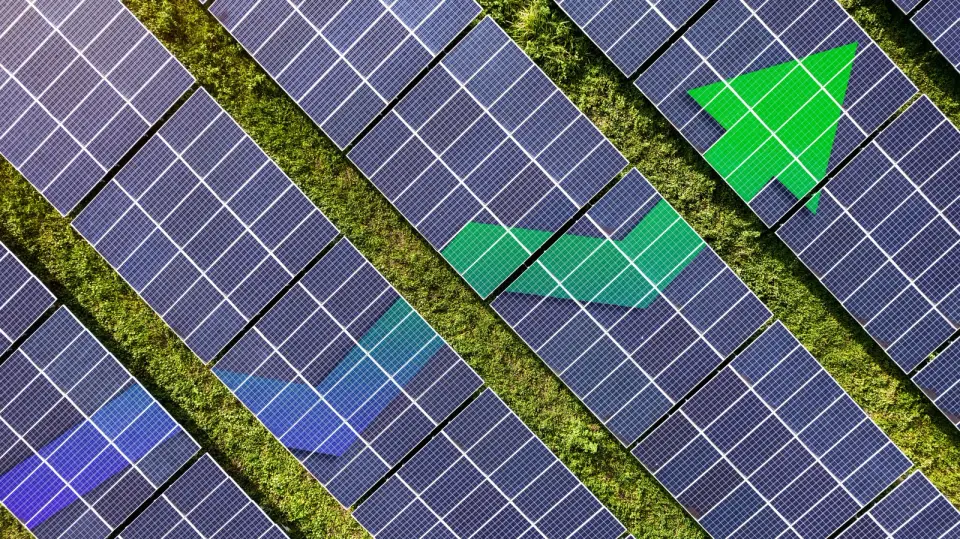
A team at the Institut de Ciències Fotòniques in Barcelona has proposed a new optical cavity design for solar cells that could theoretically raise efficiency from the current 33.7% Shockley-Queisser limit to nearly 43%. By restricting photon emissions, the method aims to reduce energy loss without adding fabrication complexity, though it remains experimental.
Key points
- The Shockley-Queisser limit, established in 1961, dictates that single-junction solar cells can convert a maximum of 33.7% of sunlight into energy.
- Researchers at ICFO, led by Professor Jordi Martorell, developed a method to limit photon emissions from solar cells to improve efficiency.
- The proposed design converts the cell into a specialized optical cavity that receives sunlight but restricts the escape of energy.
- According to Dr. Francisco Bernal Texca, this approach could enable efficiencies close to 43% and does not add fabrication complexity compared to other methods.
- Current commercial solar panels typically achieve less than 25% efficiency due to physical and manufacturing constraints.
- The technology is still in the experimental phase and is not yet ready for commercial deployment.
Background
This development follows broader efforts to improve solar panel reliability and efficiency. Recent innovations have focused on increasing the durability of panels, but physical limitations and material constraints have kept commercial efficiency below the theoretical maximum. The new ICFO research offers a potential pathway to surpass these long-standing barriers.
Why it matters
Higher solar panel efficiency directly translates to lower costs per watt and more efficient use of land and materials. If commercialized, this technology could make off-grid solar power more viable for homes and reduce the overall footprint of solar energy deployment.
What to watch
The research team must move from experimental validation to practical application. If successful, the next steps would involve scaling the optical cavity design for mass production and testing its performance in real-world conditions.
Want the full story? Read the original reporting
Read on BGR