Molecular vibrations act as a 'catapult' for ultrafast electron transfer in organic solar cells
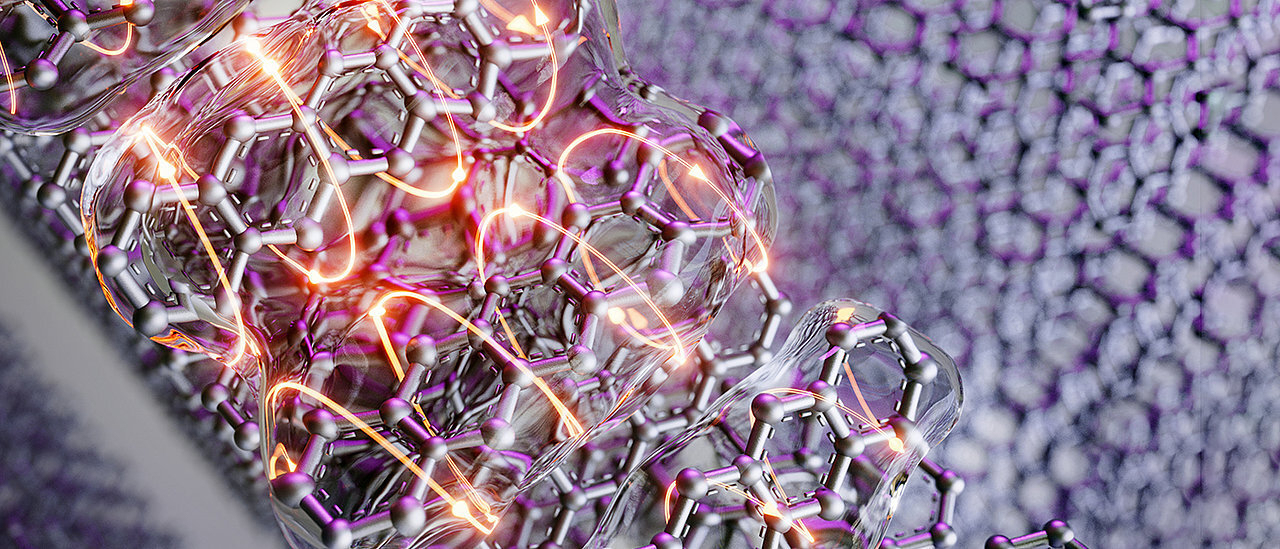
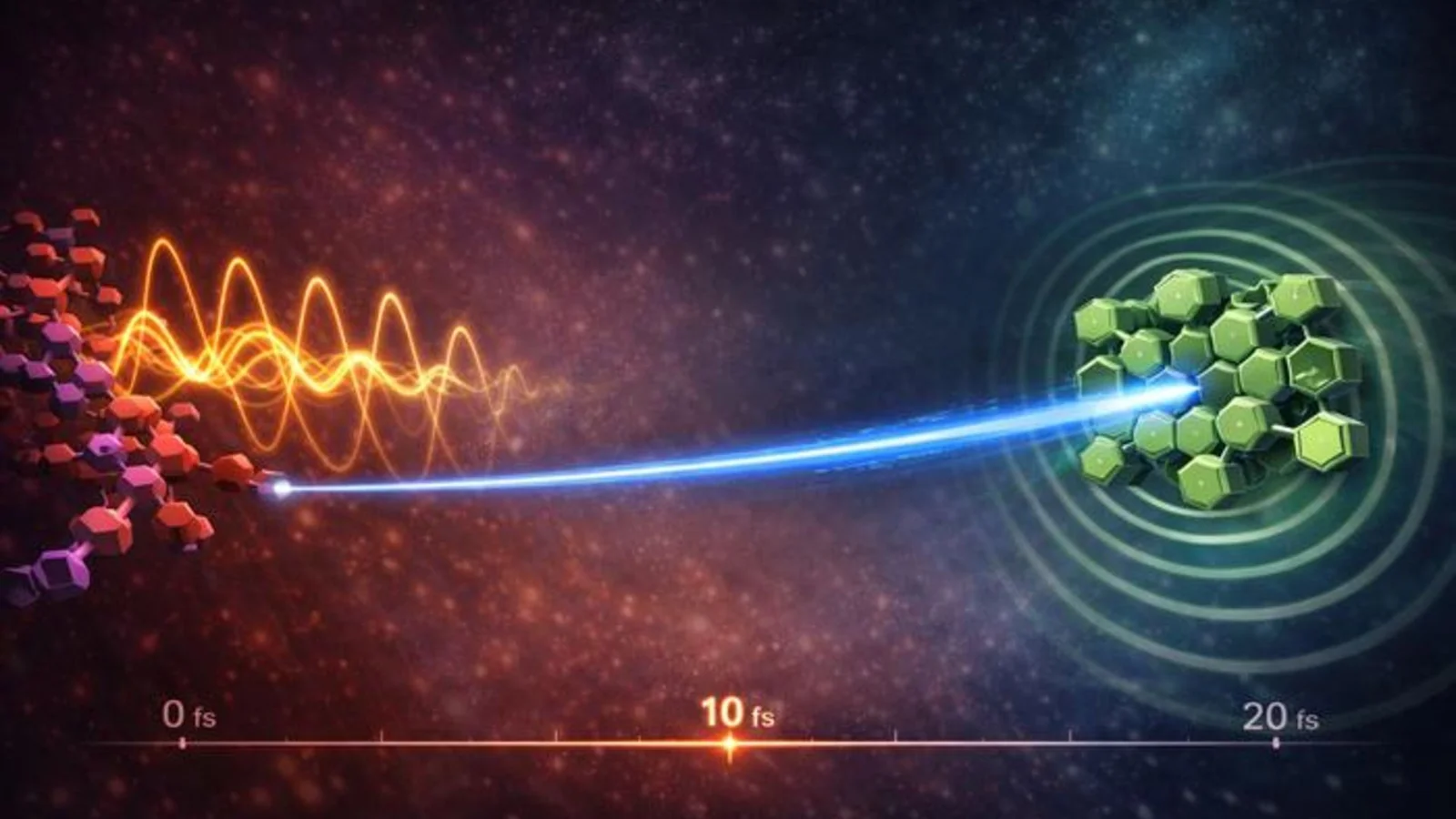
Researchers show ultrafast charge transfer at a donor–acceptor junction in an organic solar cell, where vibrations of the donor polymer launch an electron across the junction in about 18 femtoseconds. This vibronic mechanism acts like a molecular catapult, enabling faster, more coherent charge transfer than thought possible and suggesting new design strategies that exploit, rather than suppress, molecular motion to improve organic solar cell efficiency.