
Milan Metro Study Finds Batman Costumes Boost Passenger Altruism
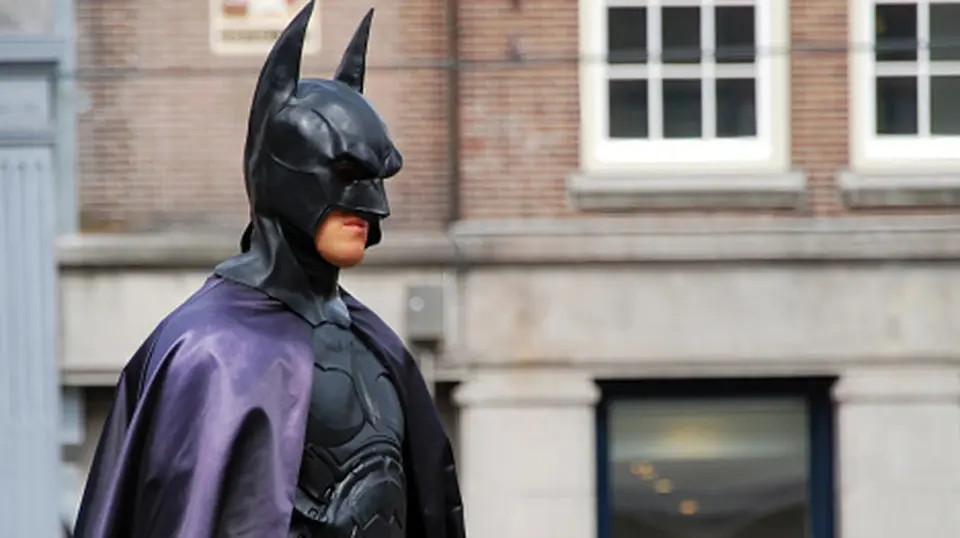
A field study in Milan’s metro system demonstrated that the presence of a person dressed as Batman significantly increased the likelihood of passengers offering their seats to a pregnant woman. Researchers observed nearly 140 train rides, finding that seat-sharing rates rose from 44% to 67% when the vigilante was visible. The findings suggest that while baseline altruism exists, the visual cue of a heroic figure triggers heightened prosocial behavior. This aligns with earlier research on the 'Batman Effect,' where adopting an alter ego improves focus and reduces stress in children.
Key points
- Researchers conducted a field study in the Milan Metro involving nearly 140 observed train rides to test the impact of a Batman costume on passenger behavior.
- In trials where a person dressed as Batman entered the train, 67% of passengers offered their seats to a woman appearing pregnant, compared to 44% in control trials without the costume.
- The study concluded that while altruism is present regardless of external stimuli, the presence of a heroic figure significantly amplates the tendency to help others.
- The findings connect to the 'Batman Effect,' a phenomenon where adopting a fictional persona, such as Batman, helps children maintain focus and reduce stress during tedious tasks.
- Online discussions suggest that seeing a Batman figure may break the normality of daily routines, increasing situational awareness and prompting more considerate interactions with strangers.
Background
This study builds upon previous psychological research regarding the 'Batman Effect,' which explores how adopting an alter ego can enhance confidence and perseverance. Earlier studies showed that children who pretended to be Batman worked longer on boring tasks than those who used their own names. The current Milan experiment extends this concept to adult public behavior, testing whether the visual presence of a hero can influence real-world altruism in a crowded urban environment.
Why it matters
The research provides empirical evidence that visual cues associated with heroism can directly influence everyday ethical behavior. Understanding how environmental factors trigger prosocial actions could inform public health campaigns, urban design, and educational strategies aimed at encouraging cooperation and kindness in public spaces.
What to watch
Researchers may expand these studies to test other heroic figures or costumes to determine if the effect is specific to Batman or applies to any symbol of protection. Further analysis could explore whether the 'Batman Effect' translates to other forms of altruism, such as financial donations or community service, beyond simple acts like offering a seat.
Want the full story? Read the original reporting
Read on bgr.com