
Cholesterol triggers a Ral-driven LDLR turnover pathway in the liver
TL;DR
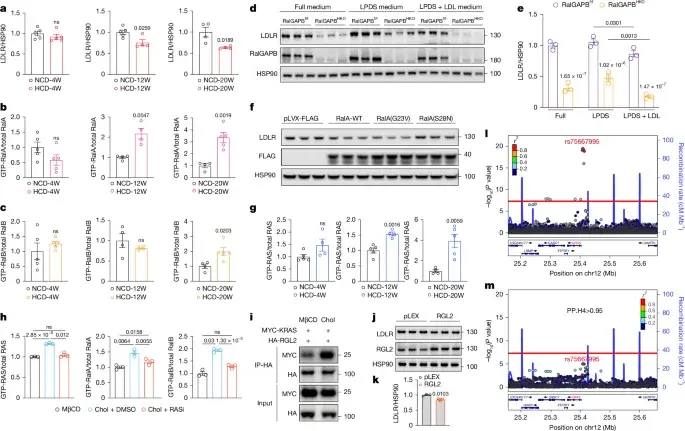
A new study shows that high dietary cholesterol activates Ral GTPases in the liver via increased RAS activity, promoting LDL receptor (LDLR) endocytosis and lysosomal degradation through the RalBP1–REPS1 complex and the lysosomal protease CTSA, independently of PCSK9 or transcriptional control; LDLR levels fall and cholesterol clearance is impaired, with human genetic variants linking this pathway to cholesterol levels. Pharmacological inhibition of Ral or CTSA stabilizes LDLR and improves cholesterol clearance, pointing to a potential new therapy for hypercholesterolemia and cardiovascular disease.
Want the full story? Read the original reporting
Read on Nature