New Cholesterol-Lowering Pathway Uncovered, Points to CTSA-Targeted Therapy
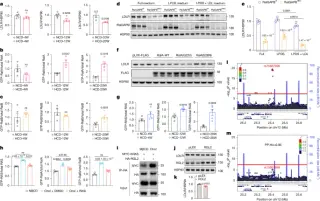
Researchers identify a new pathway where high dietary cholesterol activates the Ral protein, reducing liver LDL receptors and hindering clearance of LDL cholesterol. Blocking the enzyme cathepsin A (CTSA) with a small-molecule inhibitor stabilized LDL receptors and dramatically lowered blood cholesterol in mouse models, suggesting a novel, statin-independent approach and a potential CTSA-targeted treatment that could move to clinical trials, leveraging an existing CTSA inhibitor with prior human safety data.