
Hyena Study Reveals Female Dominance Through Multigenerational Social Inheritance
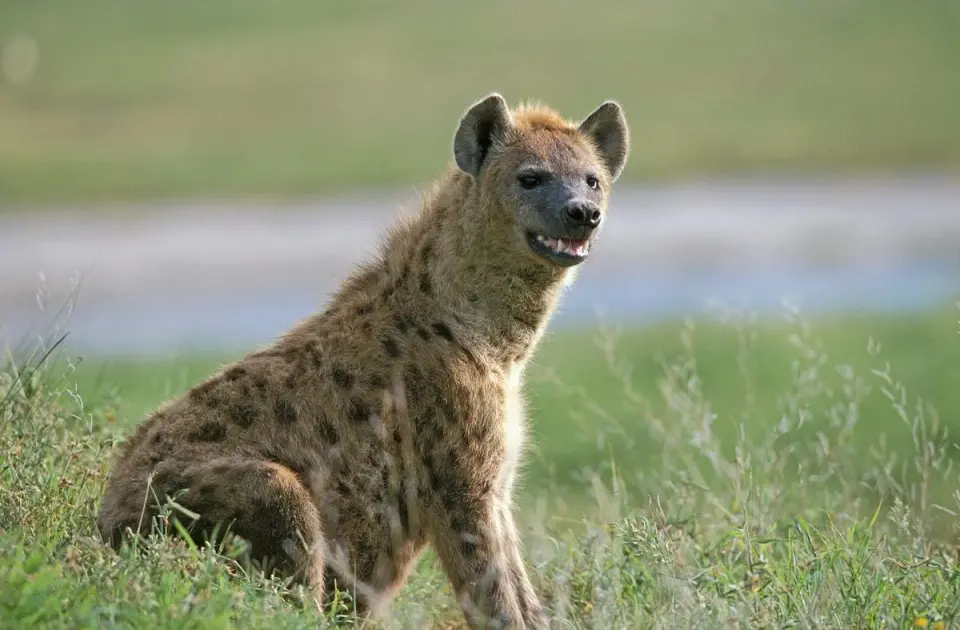
A 29-year study of spotted hyenas in Tanzania reveals that female reproductive inequality exceeds male inequality over multiple generations, defying standard mammalian patterns. By inheriting social rank from mothers, high-status females accumulate disproportionate descendants, while males lose status upon dispersing to new clans.
Key points
- The Darwin-Bateman paradigm typically predicts higher reproductive inequality in males, but spotted hyenas show greater female inequality when tracking grand- and great-grandoffspring.
- Female hyenas retain their maternal social rank within their natal clans, securing advantages like priority food access, earlier reproduction, and longer lifespans.
- Male hyenas disperse to new clans to mate, losing their inherited high status and preventing the accumulation of long-term reproductive success in paternal lines.
- After six generations, nearly 100% of a clan’s members can be traced back to alpha female lineages, demonstrating extreme female reproductive monopoly.
- This study identifies matrilineal social inheritance as a third mechanism for female-biased competition, distinct from male parental care in seahorses or reproductive monopolization in meerkats.
Background
This finding builds on broader discussions of non-traditional inheritance patterns in biology, such as epigenetic inheritance in mammals, which also challenges standard Mendelian rules. While previous research focused on genetic or epigenetic transmission, this study highlights how social structures can similarly override biological expectations across generations.
How outlets are covering it
Discover Wildlife emphasizes the 'nepo baby' aspect of hyena society, highlighting how female privilege compounds over time to create dynasties. Neuroscience News provides a more technical breakdown, framing the discovery as a reversal of the Darwin-Bateman paradigm and detailing the specific mechanisms of male dispersal versus female retention. Both sources agree on the core findings but differ in emphasis: one focuses on the social dynamics and 'dynasties,' while the other focuses on the evolutionary implications and statistical reversal of sex-based inequality.
Why it matters
This research challenges fundamental assumptions about mammalian sex roles and competition. It demonstrates that social structures, not just biological traits, can drive evolutionary outcomes and reproductive success, offering a new framework for understanding dominance and competition in other species with similar social hierarchies.
What to watch
Researchers will investigate whether other species with matrilineal social inheritance exhibit similar reversals in reproductive inequality. Future studies may also explore how these social dynamics influence genetic evolution and intrasexual competition in other matriarchal mammals.
Want the full story? Read the original reporting
Read on BBC Wildlife Magazine