Tag

Evolutionary Biology

All articles tagged with #evolutionary biology

Culture Takes the Lead in Human Evolution
science21 days ago

Culture Takes the Lead in Human Evolution

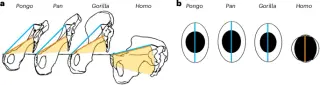
New research argues that culture and technology are now driving human evolution more than genetic changes, with cultural solutions rapidly solving problems and relaxing natural selection; evidence spans lactose tolerance, altered birth practices, and historical disease legacies, suggesting we’re in an evolutionary transition where cultural inheritance outpaces genes; some scientists warn this could require medical or technological interventions to offset potential fitness costs, while raising ethical questions about shaping biology.

Neon Pink Katydid Debunks the ‘Rare Mutant’ Myth
science29 days ago

Neon Pink Katydid Debunks the ‘Rare Mutant’ Myth

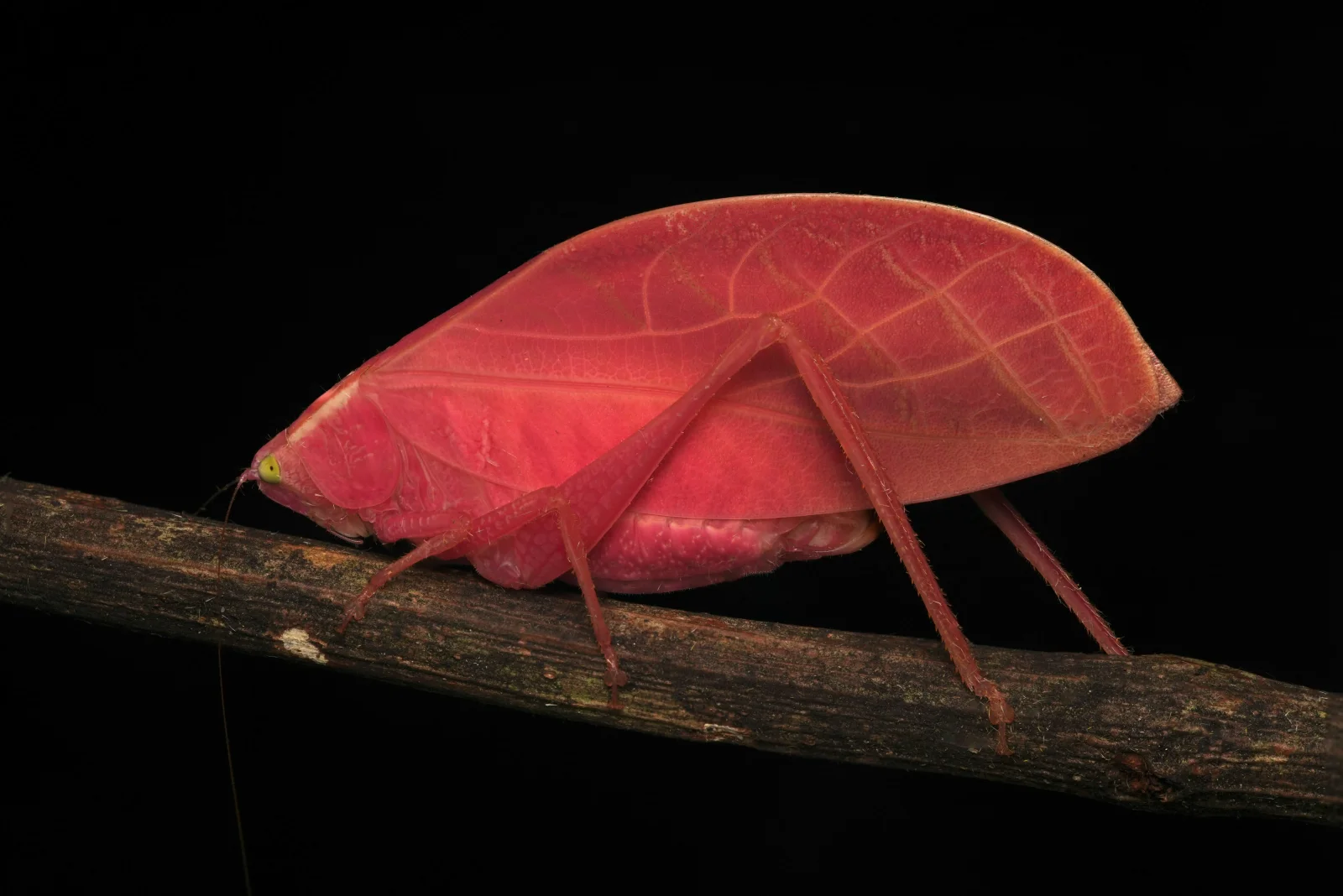
Panamanian researchers encounter a bright neon pink katydid and learn that pink coloration in katydids has precedent in scientific literature, not just as a rare mutant; older studies described pink individuals as disadvantageous, suggesting color variation may be more common than previously thought and is relevant to understanding leaf-mimic evolution.

Birth Count May Echo in the Body's Clock, Finnish Study Finds
science1 month ago

Birth Count May Echo in the Body's Clock, Finnish Study Finds

A Finnish study of 14,836 twin-derived women links both no children and high child counts (average ~6.8) to worse biological aging and higher mortality, while having about two to three children (and pregnancies at ages ~24–38) shows the best aging markers. Early births may also relate to aging, but effects largely fade after accounting for lifestyle factors. The findings are observational and not causal, and unmeasured variables may influence both reproductive history and health; researchers caution against using this to guide individual family planning.

David Marques (1984–2026): Pioneering Speciation Genomics and Evolutionary Insight
science1 month ago

David Marques (1984–2026): Pioneering Speciation Genomics and Evolutionary Insight

David Alexander Marques (1984–2026), a leading speciation genomics researcher and proponent of the combinatorial theory of speciation, died in 2026 at 41. Based at the University of Bern, he collaborated with Ole Seehausen, Joana Meier, Laurent Excoffier, and Catherine Wagner on influential studies of adaptive radiation and evolutionary biology, with landmark papers across PLoS Genet, Nat Commun, Nat Ecol Evol, and related journals. Mentors describe him as a generous collaborator whose ongoing projects will carry on through his team.

600-Million-Year Cyclops Traced as Progenitor of Vertebrate Vision
science1 month ago

600-Million-Year Cyclops Traced as Progenitor of Vertebrate Vision

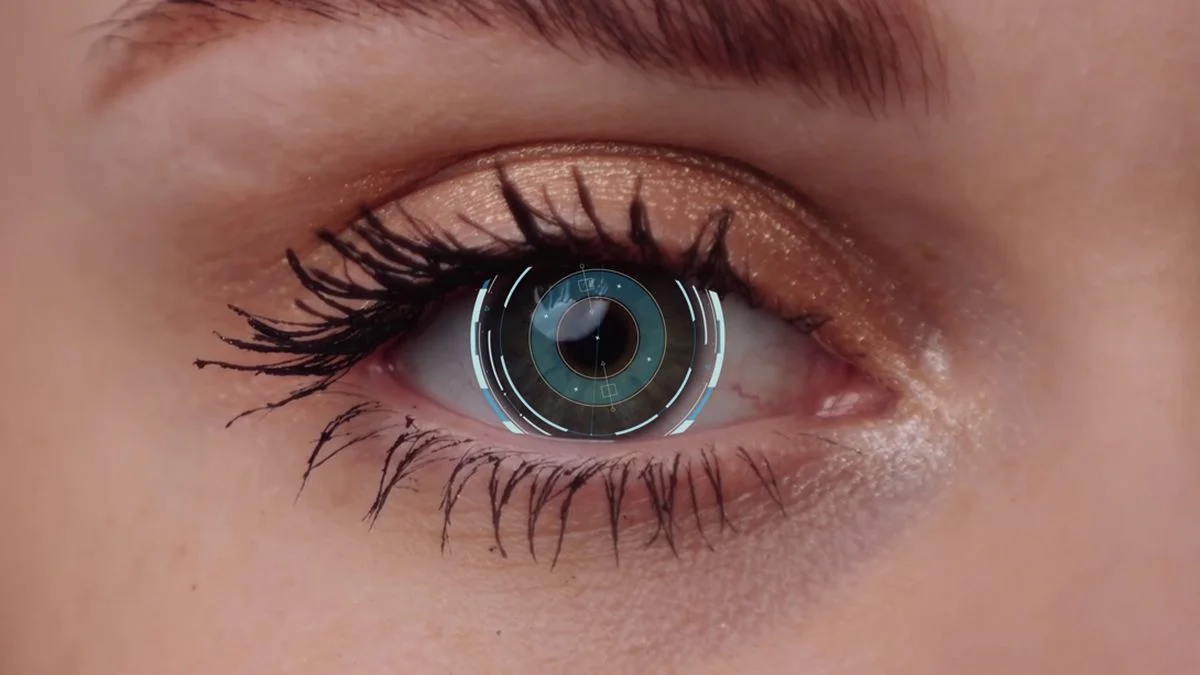
New research links vertebrate vision to a 600-million-year-old wormlike ancestor that had a single median eye. Over time, that eye’s light-sensing cells organized into the modern image-forming eyes, while the pineal gland remains a direct descendant; this explains why vertebrate retinas develop from brain tissue and why insect and squid eyes originate from skin.

Life’s tempo shapes animals’ time perception, study shows
science1 month ago

Life’s tempo shapes animals’ time perception, study shows

A cross-species look at temporal perception finds humans peak around 65 Hz, birds up to 138 Hz, dragonflies up to 300 Hz, while slow swimmers and deep-sea creatures respond to flicker at far lower rates (down to 0.7–12 Hz). The pattern supports Autrum’s energy-cost idea that fast time perception evolves with fast-paced, predatory lifestyles, and tends to be higher in smaller, brighter aquatic environments, while dim conditions blunt temporal resolution.

Snake Cannibalism Revealed as an Adaptive Response to Scarcity
science1 month ago

Snake Cannibalism Revealed as an Adaptive Response to Scarcity

A Biological Reviews study analyzing hundreds of reports across 207 snake species finds that cannibalism is widespread and has evolved at least 11 times, indicating it’s an adaptive survival strategy in response to ecological stress and food scarcity—occurring in both the wild and captivity to regulate populations and boost ecological fitness; some experts caution against broad generalizations across all species.

Rete ridges reveal distinct epidermal programs shaping mammalian skin
evolutionary-biology2 months ago

Rete ridges reveal distinct epidermal programs shaping mammalian skin

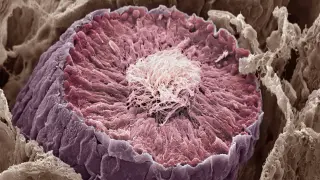
Across mammals, rete ridges form through a BMP-driven epidermal program that is distinct from the development of hair follicles and sweat glands, linking epidermal thickening with dermal pockets. The timing of ridge formation aligns perinatally in humans and pigs, and has been observed in dolphins and bears, while neonatal pig wounds can regenerate rete ridges de novo. The authors also show that mouse fingerpad rete ridges require epidermal BMP signaling, leading to the idea that evolution replaced discrete skin appendage programs with an interconnected epidermal–dermal network. This work has implications for regenerative approaches to restore epidermal structures after injury or disease.

Scientists Discover Sea Creature Challenging Evolutionary Theories
science6 months ago

Scientists Discover Sea Creature Challenging Evolutionary Theories

Scientists discovered that male spotted ratfish have true teeth on a forehead appendage used in mating, challenging long-held beliefs that teeth are only located in the mouth. This structure, called the tenaculum, is a rare example of non-oral teeth in vertebrates, providing new insights into dental evolution and developmental biology.