
Space Mirror Startup Faces Regulatory Vacuum as India Prepares Launch
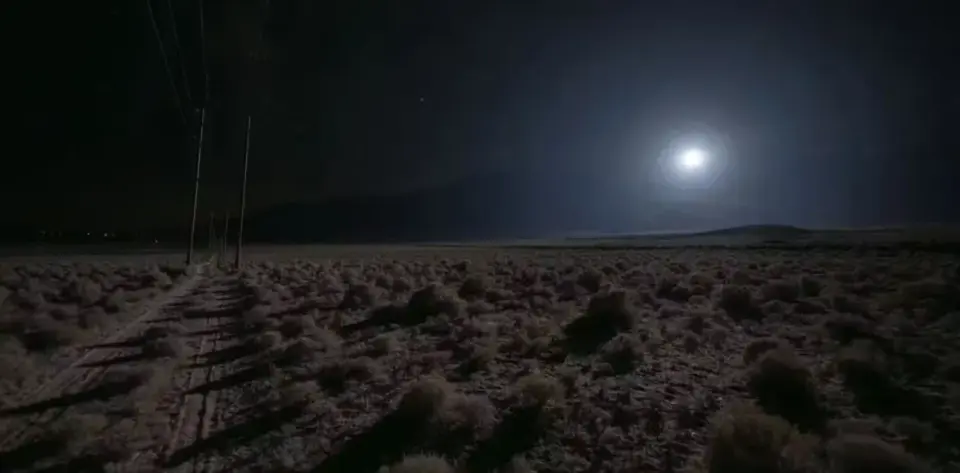
Reflect Orbital plans to launch mirrors to reflect sunlight at night, but atmospheric scattering may affect areas beyond the target. The US FCC declined to regulate optical effects, leaving India to decide how to handle the environmental impact of its upcoming launch.
Key points
- Reflect Orbital’s Eärendil-1 demonstrator will carry an 18-by-18-metre reflector to test space-based illumination.
- Atmospheric scattering could make the sky brighter than a full moon up to 34km away from the target area.
- The US FCC authorized the satellite but declined to regulate optical effects, citing its limited scope.
- India’s IN-SPACe must now decide how to handle environmental impacts for the upcoming launch.
- No clear international framework exists for regulating light that crosses national borders.
Background
This follows broader concerns about the environmental and social impacts of new space technologies, as seen in recent public debates over AI and wealth concentration.
Why it matters
The lack of regulatory clarity for space-based illumination could set a precedent for future orbital services that affect global environments and communities without proper oversight.
What to watch
India’s IN-SPACe must decide whether to authorize the launch, while the US and international bodies may need to develop new frameworks for regulating optical effects from space.
Want the full story? Read the original reporting
Read on The Conversation