
ESA Halts Ariane 6 Block 3 Upgrades Amid Cost Concerns
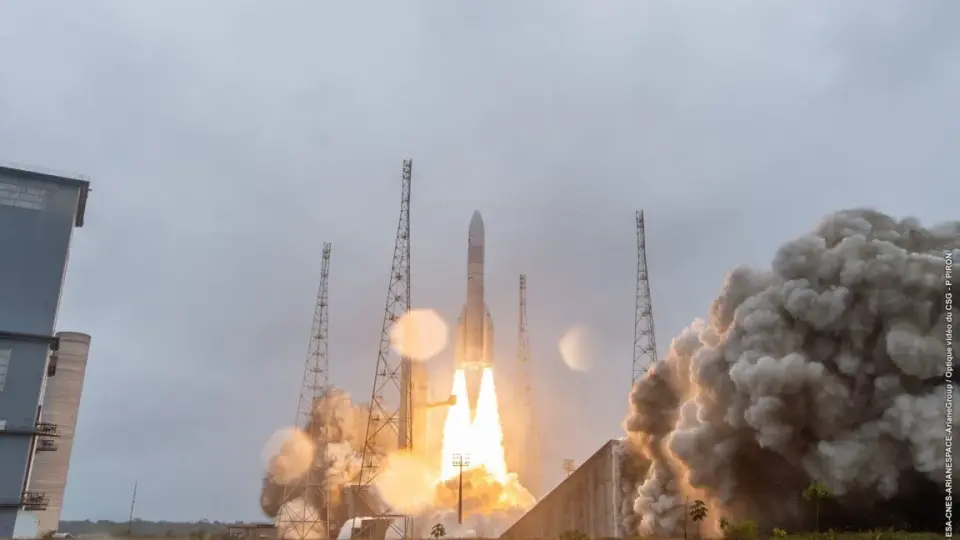
The European Space Agency has canceled planned Block 3 upgrades for the Ariane 6 rocket, including the lightweight ICARUS upper stage, due to high costs and lack of immediate mission needs. This decision impacts future science missions like the Enceladus probe and raises questions about the rocket's long-term viability, as European governments must subsidize each launch by 32 to 38 million euros despite development costs exceeding 3.6 billion euros. While Ariane 6 has successfully completed eight missions, ministers are weighing whether to increase production capacity or invest in a future reusable rocket to compete with US and Chinese alternatives.
Key points
- ESA canceled Block 3 upgrades for Ariane 6, including the carbon-composite ICARUS upper stage, citing no program justification and high costs.
- The cancellation affects ESA science missions, including a planned probe to Saturn's moon Enceladus.
- Ariane 6 has completed eight successful launches since its debut, providing reliable access to orbit for Europe after ending reliance on Russian and SpaceX rockets.
- European governments must subsidize each Ariane 6 launch by 32 to 38 million euros, on top of 3.6 billion euros in development costs, making the program financially unsustainable without subsidies.
- ESA is considering increasing launch capacity from 10 to 12, 15, or 20 per year, but ministers are hesitant to invest in production scaling due to high costs and competition from reusable rockets.
- The decision reflects growing impatience with Ariane 6's costs and may signal a shift toward investing in a future reusable rocket instead of scaling up the expendable Ariane 6.
Background
Ariane 6 debuted in July 2024 with a successful inaugural flight, showcasing flexible heavy-lift capabilities and a restartable upper stage. In August 2026, ESA warned of a potential rocket-launcher gap by 2030 as demand for satellite constellations and defense needs outpaces current capabilities, prompting discussions about expanding production and funding reforms. The recent cancellation of Block 3 upgrades follows these concerns, as ESA seeks to balance near-term enhancements with long-term strategic investments.
Why it matters
The cancellation of Ariane 6 Block 3 upgrades highlights the financial and strategic challenges facing Europe's space program. While Ariane 6 has provided reliable access to orbit, its high costs and reliance on subsidies raise questions about its long-term viability. The decision may signal a shift toward investing in reusable rockets to compete with US and Chinese alternatives, potentially reshaping Europe's space strategy and its ability to meet growing demand for launches.
What to watch
European ministers are expected to decide by the end of 2026 whether to scale up Ariane 6 production capacity, which would require significant investments in factories and logistics. The decision will also determine whether Europe prioritizes near-term enhancements or invests in a future reusable rocket to better compete with global competitors. ESA will continue to monitor mission requirements and may revisit future evolutions if justified by new needs.
Want the full story? Read the original reporting
Read on Ars Technica