
Experts label SpaceX Starship heat shield a 'dead end' for rapid reuse
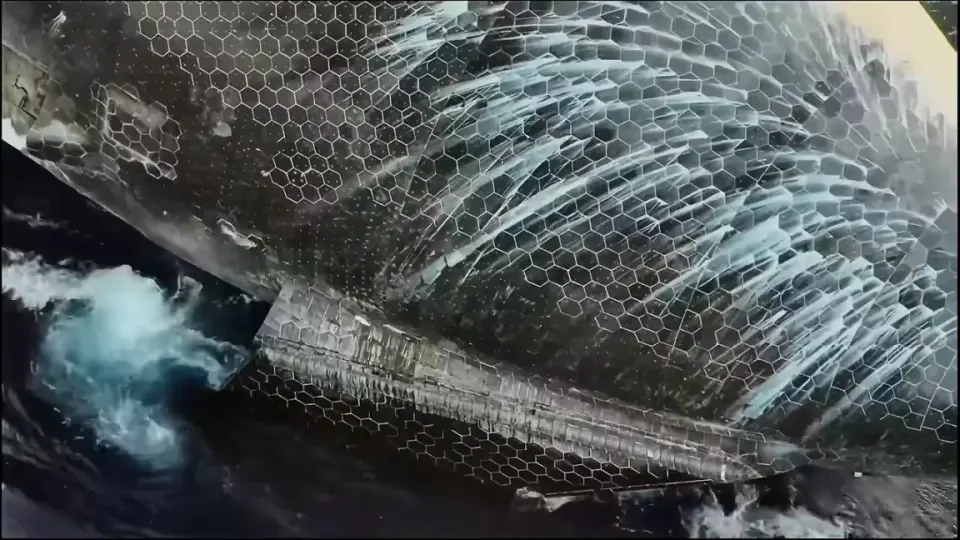
While SpaceX’s 13th Starship test flight demonstrated successful reentry and splashdown, experts warn that the current ceramic tile heat shield system is a 'dead end' for achieving the rapid, low-cost reuse required for future Mars missions. Although the vehicle survived the flight with minimal tile loss, visible damage suggests significant inspection and refurbishment time is needed, contradicting the goal of turning around rockets in days. Former NASA engineers argue that current technology, based on decades-old shuttle-era concepts, cannot support the high flight rates necessary for large-scale space infrastructure, and note that NASA has not invested in new thermal protection research for three decades.
Key points
- Dan Rasky, a former NASA engineer and co-inventor of PICA material, stated that Starship’s current thermal protection system is a 'dead end' for missions requiring full and rapid reusability.
- The 13th test flight showed progress with only a few tiles lost, but drone footage revealed white streaks at tile boundaries and cracked edges, indicating potential hot gas penetration and damage.
- While SpaceX’s steel structure can withstand up to 800°C, allowing for some burn-through, the current tile system still requires laborious post-flight inspections, preventing the 'rapid' reuse of days or weeks.
- Elon Musk has acknowledged the heat shield as the 'biggest problem that remains' for Starship, noting that inspecting 40,000 tiles is not viable for frequent launches.
- Experts argue that current NASA thermal protection research is stagnant, with no new initiatives for Mach 25 reentry speeds, relying instead on outdated technologies from the Space Shuttle and X-33 programs.
- The current heat shield may suffice for deploying Starlink satellites but is unlikely to support the hundreds or thousands of annual launches needed for lunar settlements, Mars missions, or space-based solar power.
Background
This follows the successful 13th suborbital test flight of Starship, which deployed 20 live Starlink V3 satellites and achieved a controlled splashdown in the Indian Ocean. Previous tests have focused on improving heat shield durability and Raptor engine reliability, with SpaceX preparing for an orbital flight and potential tower catch in subsequent missions. The current concerns highlight a long-standing gap in thermal protection research, as NASA has not significantly invested in new reentry technologies for three decades, leaving the industry reliant on legacy solutions from the 1970s and 1980s.
Why it matters
The ability to rapidly reuse rockets is critical for reducing the cost of space access and enabling large-scale infrastructure projects like orbital data centers, space-based solar power, and interplanetary travel. If the current heat shield technology cannot support high flight rates, it may limit SpaceX’s ability to achieve its ambitious goals for Mars colonization and large-scale satellite deployment, potentially requiring a fundamental shift in thermal protection materials and NASA’s research priorities.
What to watch
SpaceX is expected to continue testing heat shield improvements during upcoming flights, including an orbital mission and a potential tower catch. The company is investing in new tile formulations and standardizing shapes to address inspection challenges. Meanwhile, experts have recommended that NASA create a new initiative for Mach 25 thermal protection research, though no such action has been taken yet. The outcome of these tests will determine whether current technology can support the high flight rates needed for future space missions or if new materials are required.
Want the full story? Read the original reporting
Read on Ars Technica