
Fitbit Edge Review: A Refined, Repairable Tracker with Smartwatch Features and Week-Long Battery
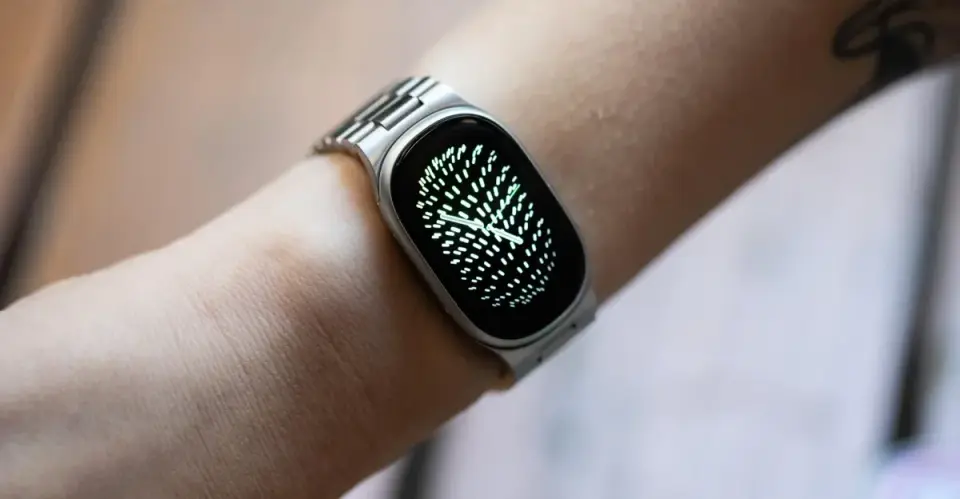
The Fitbit Edge is a $180 fitness tracker that bridges the gap between basic bands and smartwatches. It features a 1.34-inch OLED display, built-in GPS, and a replaceable battery, offering up to seven days of battery life. While it lacks contactless payments, its improved health tracking and AI coaching make it a strong mid-tier option.
Key points
- The Fitbit Edge costs $179.99, with a special Stephen Curry edition priced at $220.
- It features a 1.34-inch hybrid OLED display, which is 45% larger and 40% brighter than the previous Charge 6.
- Battery life lasts up to seven days, though this drops to about 1.5 days with the always-on display enabled.
- The device includes built-in GPS, Bluetooth 5.4 for headphones, and an ECG app for atrial fibrillation detection.
- It is the first Fitbit tracker with a replaceable battery, though Google advises against user self-repair.
- The Edge lacks NFC for contactless payments and YouTube Music integration, which were present in previous models.
Background
The Fitbit Edge was announced on October 12, 2026, and became available for retail on October 27. It is positioned between the screenless Fitbit Air and the premium Pixel Watch 5. Earlier coverage noted its alignment with EU repairability regulations and its integration with Google Health Premium for AI coaching.
How outlets are covering it
The Verge describes the Edge as a sleek return to Fitbit’s roots, emphasizing its lightweight design and refined look, but notes the bezels and lack of contactless payments as drawbacks. Engadget highlights the Edge as a middle ground between a simple tracker and a full smartwatch, praising its built-in GPS and Bluetooth 5.4 connectivity, while noting the shorter battery life compared to the Inspire 3. The Independent praises the Edge’s seven-day battery life and improved automatic workout detection but criticizes the removal of NFC and the EDA stress sensor. All three outlets agree on the device’s premium aluminum case and larger display, but differ on the value proposition: The Verge finds it 'kinda expensive,' while The Independent calls it a 'sweet spot' for smartwatch-like features without sacrificing battery life.
Why it matters
The Fitbit Edge represents a strategic move by Google to capture the mid-tier fitness tracker market with a device that offers smartwatch-like features without the battery drain. Its replaceable battery and improved health tracking make it a compelling option for users who want more than a basic band but less than a full smartwatch. The device’s success could influence future Fitbit products and the broader wearable market.
What to watch
Google is expected to roll out 'Health Guardian' later in autumn 2026, which will provide insights into long-term health trends, including blood pressure and insulin resistance. The Fitbit Edge is also expected to support Google Maps navigation, though early testing by The Independent found the feature non-functional. The device’s success may lead to further updates in the Fitbit lineup, potentially including more repairable features and AI-driven health insights.
- Everything old is new again with the Fitbit Edge The Verge
- Google’s New Fitbit is a Vehicle for Its Excellent Health App Bloomberg.com
- 5 wearables you should buy instead of the Fitbit Edge Android Authority
- Fitbit Edge Vs. Fitbit Inspire 3: How These Google Fitness Trackers Compare Engadget
- I’ve used the Fitbit Edge for almost 2 weeks, and one thing really surprised me The Independent
Want the full story? Read the original reporting
Read on The Verge