
Samsung's Fold 8 Ultra and wider base model signal a mature, high-end foldable market
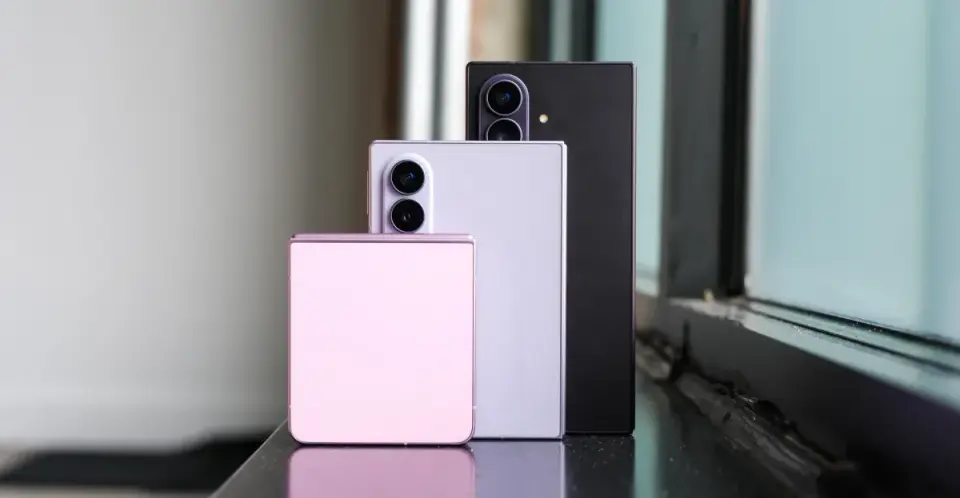
Samsung has split its foldable lineup into the premium Z Fold 8 Ultra and a wider, more affordable base Z Fold 8. While the Ultra offers incremental improvements like a larger battery and better cameras, the base model’s wider screen design is praised for media consumption. The Verge notes that the maturation of foldable technology, with improved durability and lower prices, creates a favorable environment for Apple to eventually enter the market.
Key points
- Samsung launched two new foldables: the Z Fold 8 Ultra (starting at $2,100) and the base Z Fold 8 (starting at $1,900), the latter featuring a wider, squatter design.
- The Z Fold 8 Ultra includes a 5,000mAh silicon-carbon battery, 45W wired charging, and an upgraded 50MP ultrawide camera, though battery life improvements over the previous model are marginal.
- The base Z Fold 8 is praised for its 7.6-inch 4:3 aspect ratio screen, which reduces letterboxing for video and gaming, though it lacks a dedicated telephoto camera.
- The Verge argues that foldables have become 'boring' due to consistent quality and durability, removing the novelty barrier and making the market ready for Apple's potential entry.
- Both devices run Android 17 with One UI 9 and feature new AI tools, including 'My FanCam' for video recropping and agentic AI for task automation.
Background
The foldable phone market has evolved significantly since the early, flawed launches by Royole and Samsung in 2019. As noted in The Verge, subsequent generations from Samsung, Motorola, and others have improved durability and reduced prices, with entry-level models now available for under $900. This maturation contrasts with Apple's historical reluctance to adopt foldables, which The Verge suggests is now less risky due to the established reliability of the technology.
How outlets are covering it
CNET and GSMArena focus on the Z Fold 8 Ultra, noting that while it is a superb phone, the upgrades are incremental and the price is steep. CNET criticizes the lack of significant battery life improvement despite new silicon-carbon technology and notes that the cameras still lag behind Samsung's own S26 Ultra. In contrast, Engadget highlights the base Z Fold 8, arguing that its wider design is superior for content consumption and offers better value. The Verge takes a broader industry view, suggesting that the current state of foldables—characterized by stability and lack of novelty—removes the risk for Apple to finally enter the market, whereas other outlets focus on the specific trade-offs between Samsung's new models.
Why it matters
The split in Samsung's foldable lineup reflects a strategy to cater to different user needs, from premium multitasking to media consumption. The maturation of foldable technology, with improved durability and battery efficiency, signals that the category is no longer a niche novelty but a viable mainstream option. This stability may finally encourage Apple to launch its own foldable, potentially disrupting the market with its ecosystem integration.
What to watch
Consumers can now choose between the premium Z Fold 8 Ultra and the more affordable, wider base Z Fold 8. The success of these models will likely influence whether Apple decides to enter the foldable market, as The Verge suggests the technology is now 'good enough' for an iPhone. Further updates to AI features and battery technology may also drive future upgrades in the foldable segment.
- Foldables are sort of boring now — and that’s great news for Apple The Verge
- Galaxy Z Fold 8 Ultra: The Best Update Isn’t What I Expected CNET
- Samsung Galaxy Z Fold 8 Review: Wider Really Is Better Engadget
- Samsung Galaxy Z Fold8 Ultra review GSMArena.com
- There's still time to pre-order the Samsung Galaxy Z Fold 8 with a free $350 Amazon gift card Mashable
Want the full story? Read the original reporting
Read on The Verge