Tag

Silicon Carbon Batteries

All articles tagged with #silicon carbon batteries

Apple's iPhone Duo Tops Foldable Battery Tests, While Mid-Range Slabs Lead Overall Endurance
technology14 days ago

Apple's iPhone Duo Tops Foldable Battery Tests, While Mid-Range Slabs Lead Overall Endurance

CNET’s 2026 testing shows the Apple iPhone Duo leads book-style foldables in battery efficiency, thanks to its A20 Pro chip and dual-cell design. However, mid-range slab phones like the Xiaomi Redmi Note 17 Pro Max still outperform all foldables in raw endurance. The gap between foldable and traditional phone battery life has narrowed significantly due to silicon-carbon technology.
Pixel 11 Battery Life Holds Steady Despite Smaller Cells, as Google Eyes Silicon-Carbon Tech for Future Models
technology3 months ago

Pixel 11 Battery Life Holds Steady Despite Smaller Cells, as Google Eyes Silicon-Carbon Tech for Future Models

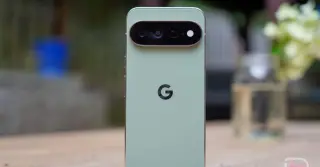
Droid Life reports that the Pixel 11 series delivers comparable battery life to the previous generation despite smaller batteries, thanks to more efficient components. Meanwhile, PhoneArena and Android Central report that Google is exploring silicon-carbon battery technology for future Pixel models to address long-standing battery life concerns.

Samsung's Fold 8 Ultra and wider base model signal a mature, high-end foldable market
tech3 months ago

Samsung's Fold 8 Ultra and wider base model signal a mature, high-end foldable market

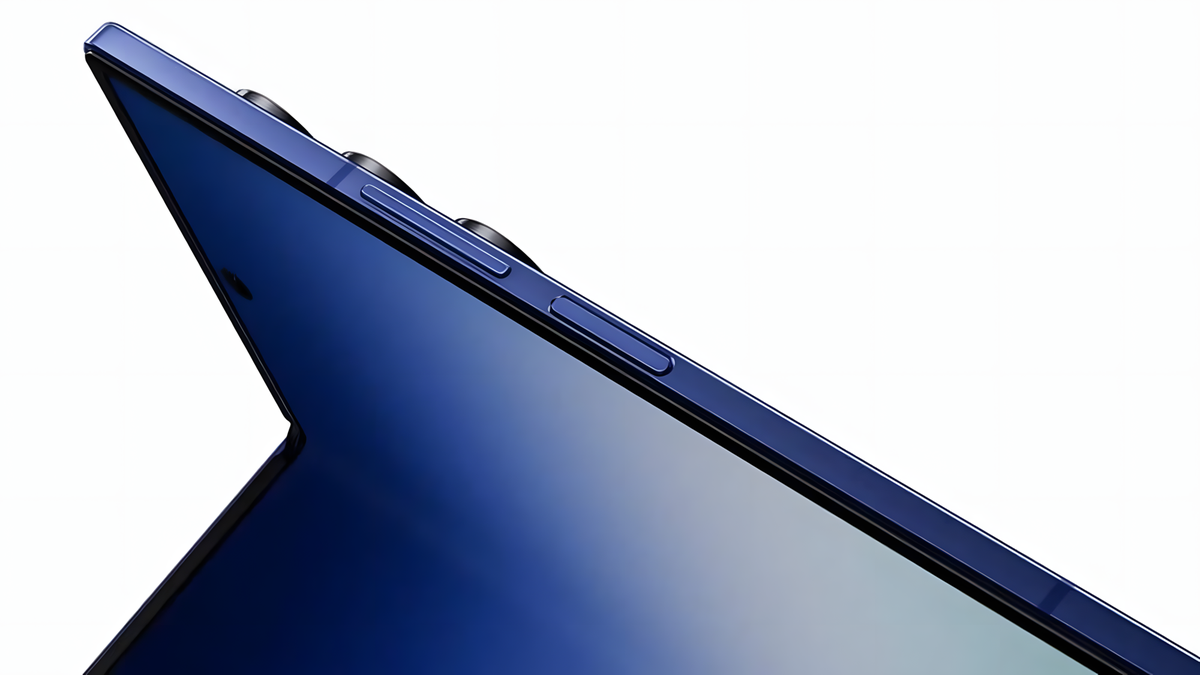
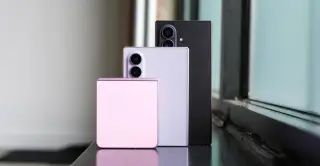
Samsung has split its foldable lineup into the premium Z Fold 8 Ultra and a wider, more affordable base Z Fold 8. While the Ultra offers incremental improvements like a larger battery and better cameras, the base model’s wider screen design is praised for media consumption. The Verge notes that the maturation of foldable technology, with improved durability and lower prices, creates a favorable environment for Apple to eventually enter the market.

Samsung's Silicon-Carbon Shift Boosts Capacity but Cuts Battery Lifespan
technology3 months ago

Samsung's Silicon-Carbon Shift Boosts Capacity but Cuts Battery Lifespan

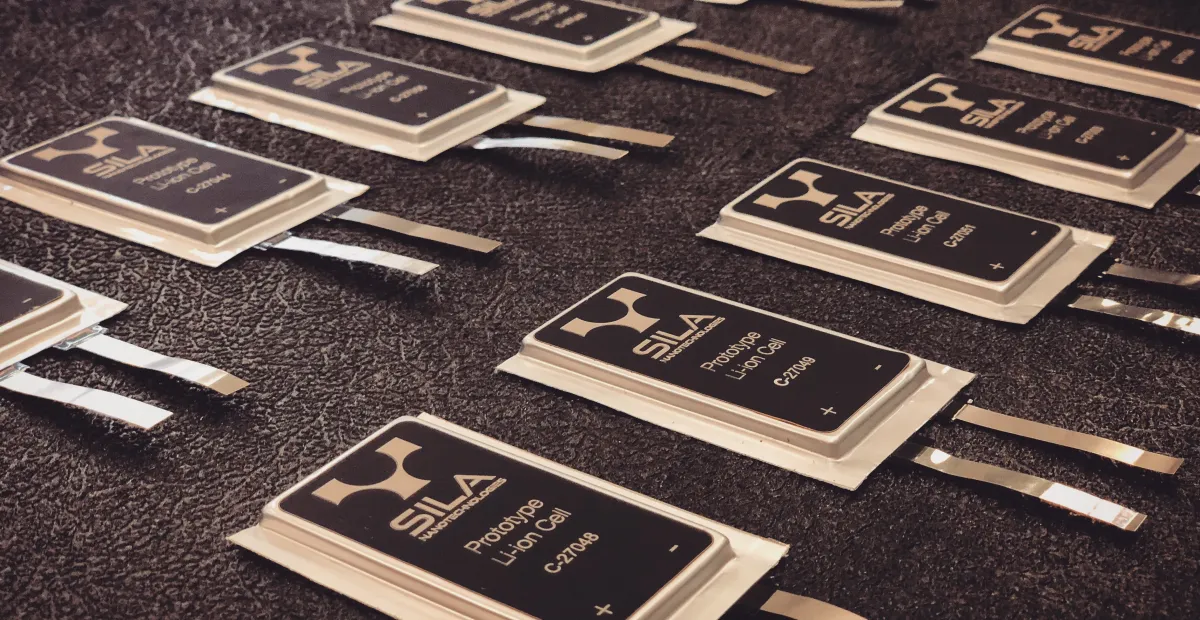
Samsung has adopted silicon-carbon battery technology in its latest foldable devices, significantly increasing energy density and enabling true two-day battery life. While this innovation allows for thinner phones with larger capacities, it comes with a trade-off: a reduced cycle life of 1,200 charges compared to the 2,000 cycles of traditional lithium-ion cells. Chinese manufacturers like Honor and Xiaomi pioneered this tech, but Samsung's entry signals a broader industry shift despite higher manufacturing costs.

Samsung Galaxy S26 Ultra to Boost Battery and Charging Speed in Next Launch
technology1 year ago

Samsung Galaxy S26 Ultra to Boost Battery and Charging Speed in Next Launch

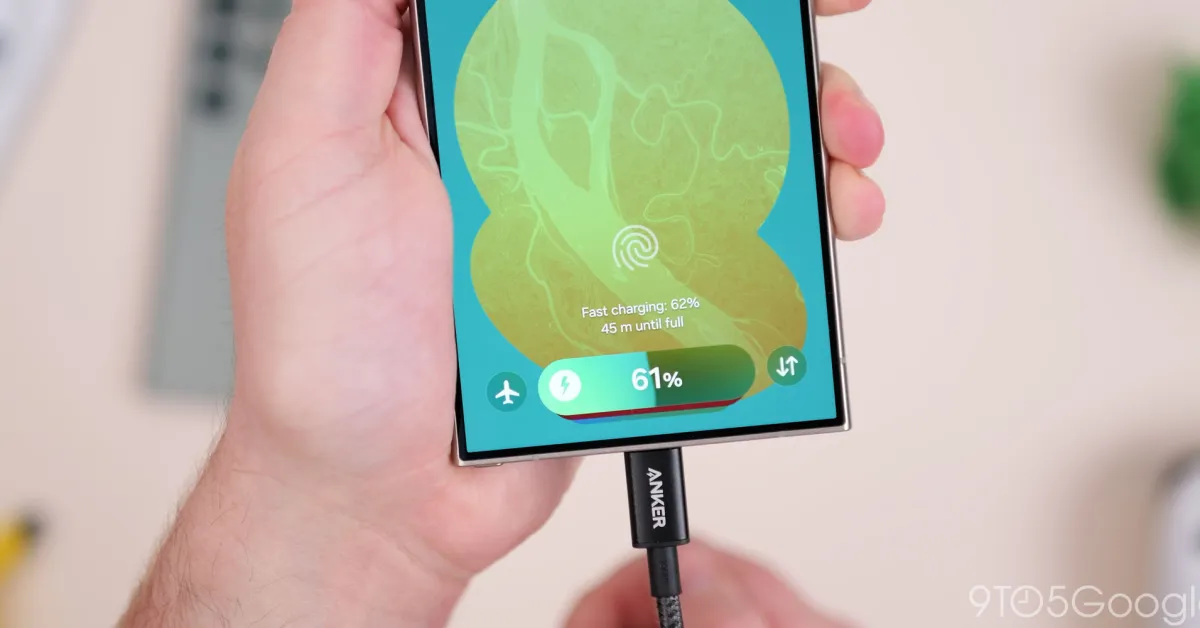
Samsung's Galaxy S26 Ultra is expected to retain its 5,000mAh battery capacity from previous models, but will support faster charging up to 60W, despite rumors of larger batteries. The transition to silicon-carbon batteries is delayed, and software optimizations may improve efficiency, but physical battery size remains a limiting factor.

Why Silicon-Carbon Batteries Are Still Rare in Phones
technology1 year ago

Why Silicon-Carbon Batteries Are Still Rare in Phones

Silicon-carbon batteries offer higher energy density for smartphones, enabling slimmer devices with larger batteries, but their adoption is limited due to regulatory challenges and faster aging caused by expansion issues. Companies like Nothing are experimenting with software-limited capacities to mitigate lifespan problems, but widespread use remains constrained until these technical and regulatory hurdles are addressed.

Samsung's Galaxy Z Fold 7 and Flip 7: New Leaks and Teasers
technology1 year ago

Samsung's Galaxy Z Fold 7 and Flip 7: New Leaks and Teasers

The upcoming Samsung Galaxy Z Fold 7 is expected to have a disappointing 4,400 mAh battery, similar to its predecessor, due to Samsung's reluctance to adopt denser silicon-carbon batteries, which competitors are already using to achieve slimmer designs and better battery life. This reluctance may stem from higher costs, licensing issues, or past safety concerns related to battery design. Despite advancements in battery technology and Samsung's own solid-state batteries, the company seems hesitant to innovate in this area, potentially putting the device at a disadvantage against rivals like Oppo, Vivo, and Honor, which are already offering more advanced foldable phones with larger batteries.