
Google Pixel Tag Launches November 11 with UWB and One-Year Battery
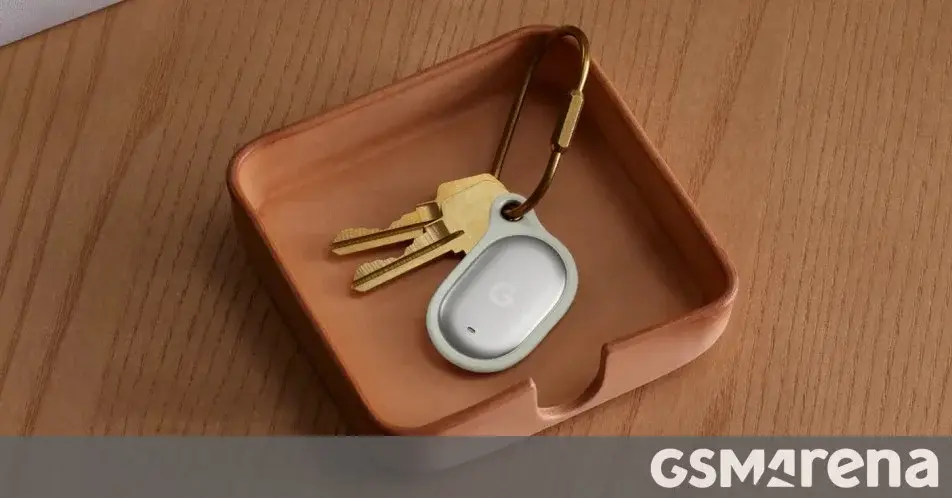
Google officially launched the Pixel Tag, a $29 smart tracker designed to rival Apple’s AirTag. The device uses the Find Hub network, supports Ultra-Wideband (UWB) and Bluetooth Channel Sounding for precision tracking, and features a replaceable CR2032 battery lasting up to one year. It is IP67-rated, made of stainless steel, and available in a single 'Fog' color. The Pixel Tag goes on sale on November 11, with a four-pack option priced at $99. Setup requires an Android device running version 9 or newer, and users can share tracking with up to 10 people. The tag includes a built-in speaker and a button to ring the paired phone, along with safety alerts for unknown tags traveling with the user.
Key points
- The Pixel Tag costs $29 individually or $99 for a four-pack, matching Apple’s AirTag pricing.
- It supports UWB for directional precision and Bluetooth Channel Sounding for exact distance measurement.
- The device uses a replaceable CR2032 battery that lasts up to one year under average usage.
- It is IP67-rated for water and dust resistance and constructed from stainless steel.
- Setup requires an Android device running version 9 or newer, pairing via Fast Pair.
- Users can share a tag with up to 10 people and enable 'Left Behind' alerts.
Background
Google had previously teased the Pixel Tag in August 2026, positioning it as a direct competitor to Apple’s AirTag and Samsung’s Galaxy Tag. Earlier reports highlighted the need for UWB precision and a robust Find Hub network to compete effectively. The device was unveiled at the Made by Google 2026 event, alongside the Pixel 11 series and Pixel Watch 5. While the Pixel 11 and Watch 5 are already available for preorder, the Pixel Tag has a later release date of November 11. This launch follows a period of skepticism regarding Google’s Find Hub network precision, which had previously lagged behind Apple’s Find My network in user tests.
How outlets are covering it
GSMArena and blog.google emphasize the Pixel Tag’s durability, stainless steel construction, and user-replaceable battery, highlighting its ease of setup and sharing capabilities. The Verge notes that the Pixel Tag’s pricing and features directly mirror Apple’s AirTag, but points out that the tag lacks built-in clips, a common complaint for such devices. The Verge also highlights that while the tag supports advanced tracking, full functionality requires newer hardware, such as the Pixel 10 or later for Channel Sounding and UWB-capable phones. PCMag criticizes the requirement for Android 16 and Bluetooth 6.0 for Channel Sounding, noting that only a few current flagships support this, limiting the tag’s advanced features for many users. PCMag also notes that the Pixel Tag’s design and features closely follow Samsung’s Galaxy SmartTag2, which also uses UWB but restricts it to its own ecosystem. All sources agree on the $29 price point and November 11 release date, but differ in their assessment of the tag’s competitive edge and hardware requirements.
Why it matters
The Pixel Tag marks Google’s first entry into the smart tracker market, challenging Apple’s dominance with AirTag. Its support for UWB and Bluetooth Channel Sounding offers precision tracking that rivals or exceeds competitors, but its reliance on newer hardware may limit its appeal to users with older devices. The device’s integration with Google’s Find Hub network and AI assistant Gemini could enhance its utility for Android users, potentially shifting the market balance in favor of Google. The one-year battery life and replaceable design address common complaints about other trackers, making it a more sustainable option. However, the lack of built-in clips and the requirement for specific hardware for advanced features may hinder its adoption among casual users.
What to watch
The Pixel Tag will be available for purchase on November 11, 2026, via the Google Store. Users can expect to see how the device performs in real-world scenarios, particularly regarding the precision of UWB and Channel Sounding. Google may release updates to the Find Hub app to improve compatibility with older devices or enhance the tracking experience. Competitors like Apple and Samsung may respond with updates to their own trackers or pricing strategies. The success of the Pixel Tag will depend on its ability to attract users who value precision tracking and long battery life, despite the hardware requirements for advanced features.
- Google Pixel Tag is official with UWB support and one-year battery life - GSMArena.com news GSMArena.com
- Keep tabs on your valuables with Google Pixel Tag blog.google
- The Pixel Tag is Google’s answer to the AirTag The Verge
- Google Finally Launches Its Own Bluetooth Tracker, the Pixel Tag PCMag
- Google's Pixel Tag Is An AirTag For Android Phones Engadget
Want the full story? Read the original reporting
Read on GSMArena.com