
Nvidia’s Third 2026 Price Hike Hits All GPUs as AI Demand Drives Costs
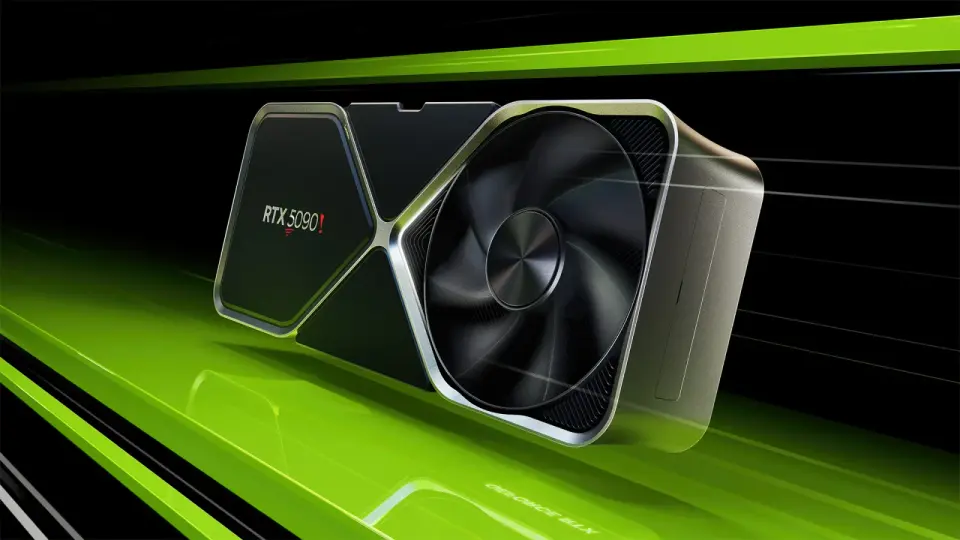
Nvidia is reportedly raising graphics card prices by 20-30% across its entire lineup for the third time this year, driven by soaring DRAM costs from AI infrastructure demand. While Nvidia has not officially confirmed the move, retailers like Best Buy are already selling high-end RTX 5080 cards for more than the RTX 5090’s launch price. AMD is also planning a 10% hike, though some consumers report limited real-world price changes in certain regions.
Key points
- Nvidia is expected to raise GPU prices by 20-30% across all models, including those using older GDDR6 memory, according to Taiwan’s Economic Daily News.
- The price surge is attributed to rising DRAM costs caused by massive AI and data center investments that outpace supply.
- Best Buy now lists the Asus ROG Astral RTX 5080 at $2,099, exceeding the RTX 5090’s original $1,999 MSRP, while the RTX 5090 itself sells for over $4,300.
- AMD has notified partners of a minimum 10% price increase in August, with higher premiums for cards with more VRAM, though some users report stable prices in Europe.
- Nvidia’s termination of its Observed Pricing Program has removed incentives for partners to keep prices near MSRP, exacerbating the cost spike for premium models.
Background
This is the third price increase for Nvidia GPUs in 2026, following earlier hikes that primarily affected high-end models. The current surge extends to the entire lineup due to global memory shortages. Meanwhile, AMD recently launched the Radeon RX 9050 with limited memory configurations, reflecting broader industry constraints.
How outlets are covering it
Insider Gaming and The Verge emphasize the broad impact of Nvidia’s hike, noting that even mid-range cards are affected. Tom’s Hardware highlights that mainstream RTX 5080 models remain closer to MSRP, while premium partner cards see the steepest increases. TechPowerUp reports that AMD’s price hike may be less severe in some regions, with users noting that actual retail prices in Europe have not yet matched reported increases. Some consumers argue that these hikes are driven by AI demand, while others criticize the lack of transparency from manufacturers.
Why it matters
Rising GPU prices make high-end gaming hardware increasingly unaffordable for consumers, potentially shifting demand toward pre-built PCs or older models. The trend also reflects the broader impact of AI infrastructure on consumer tech supply chains, with no sign of relief expected until 2028.
What to watch
Consumers should expect continued price volatility, with potential further hikes in Q3 2026. AMD’s August price increase may follow, and Nvidia’s lack of official confirmation leaves uncertainty about the exact timing and scope of the changes.
- Nvidia Is Raising Its Graphics Card Prices Once Again Insider Gaming
- AMD Reportedly Plans 10% GPU Price Hike in August TechPowerUp
- Nvidia's fastest graphics cards get US price increase at Best Buy, Amazon — Astral RTX 5080 now costs more than 5090's MSRP, flagship card now commands more than $4,300 Tom's Hardware
- Best Buy is selling an RTX 5080 for more than the RTX 5090’s MSRP The Verge
- Nvidia Graphics Cards Are About to Get Even More Expensive IGN
Want the full story? Read the original reporting
Read on Insider Gaming