
Apple Watch ECG App Offers Deeper Heart Analysis Than Standard BPM Tracking
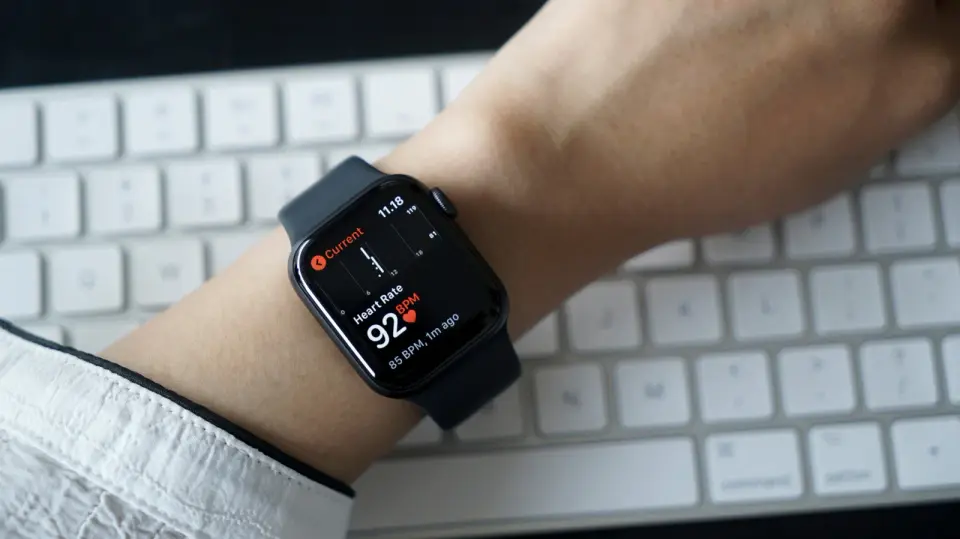
The Apple Watch includes a dedicated ECG app on Series 4 and later models (excluding SE) and all Ultra versions, allowing users to measure electrical heart signals rather than just beats per minute. The feature requires a 30-second test where the user holds the Digital Crown and can detect sinus rhythm or atrial fibrillation. While useful for monitoring irregularities, the tool is not designed to detect heart attacks and should not replace professional medical advice. Availability varies by region, with restrictions in parts of Eastern Europe, Africa, and the Americas.
Key points
- The ECG app is available on Apple Watch Series 4 and later (excluding SE models) and all Ultra models, requiring the latest watchOS and iOS updates.
- Unlike standard heart rate monitors that track beats per minute, the ECG feature measures electrical signals to provide a detailed view of each heartbeat stage.
- To use the app, users must fit the watch snugly, rest their arms, and hold the Digital Crown for 30 seconds without pressing down.
- Results include sinus rhythm (normal 50-100 bpm), atrial fibrillation (irregular rhythm), low/high heart rate, inconclusive, or poor recording.
- The feature is not intended to detect heart attack symptoms and users should seek medical attention if they suspect a cardiac emergency.
- Availability is restricted in certain countries, particularly in Eastern Europe, Africa, Central and South America, and the Middle East.
Background
Recent coverage has highlighted the importance of accurate heart rate data in various contexts, from marine biology studies on whale feeding patterns to fitness industry debates over wearable accuracy. For instance, earlier reports noted that Garmin adjusted its Cirqa band to offer free live heart rate tracking after user backlash, emphasizing the value of continuous monitoring. Additionally, VO2 max tests have shown that generic heart rate formulas often misalign with individual physiology, reinforcing the need for personalized data. While the Apple Watch ECG feature provides a snapshot of electrical activity, it complements these broader discussions on how wearables can offer deeper insights into cardiovascular health beyond simple pulse tracking.
Why it matters
The ECG feature transforms the Apple Watch from a simple fitness tracker into a tool for preliminary cardiac screening, empowering users to detect atrial fibrillation, a common irregular heart rhythm. By providing data that goes beyond basic heart rate monitoring, the app encourages proactive health management and can prompt users to seek medical consultation for irregularities. However, the limitation in detecting heart attacks and regional restrictions highlight the need for users to understand the tool's boundaries and not rely on it as a sole diagnostic method.
What to watch
Users with compatible Apple Watches should ensure their devices are updated to the latest watchOS and iOS versions to access the ECG app. They can check regional availability through Apple's official list and perform tests when at rest to obtain accurate readings. For those receiving inconclusive or poor recording results, adjusting fit and minimizing movement may improve outcomes. Regular monitoring can help identify trends, but any concerning results should be discussed with a healthcare professional.
Want the full story? Read the original reporting
Read on Engadget