
Nvidia Removes RTX 5080 from Store as Prices Double Amid Memory Crisis
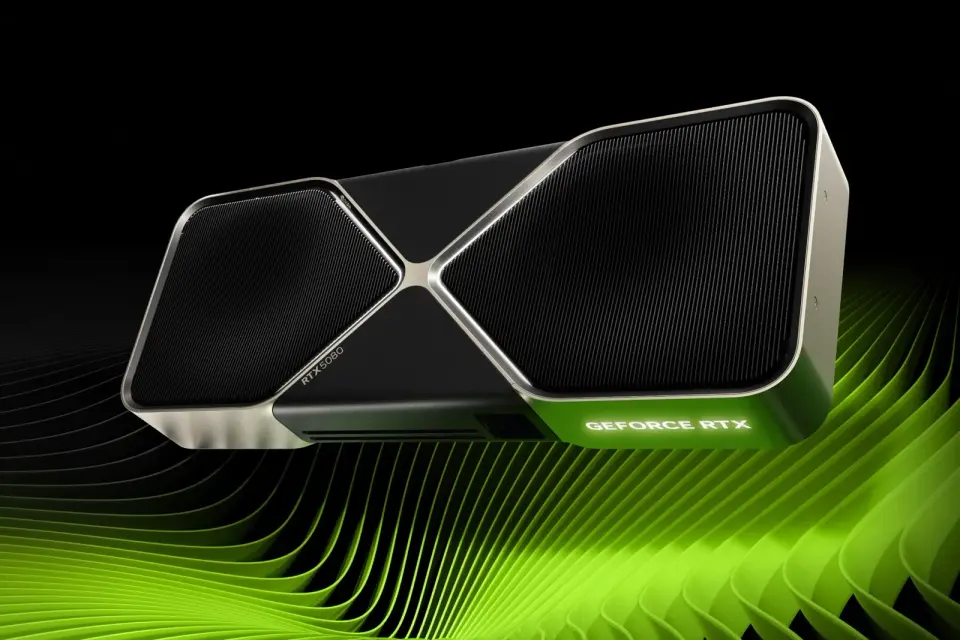
Nvidia has quietly removed the GeForce RTX 5080 from its official online store, following the earlier disappearance of the flagship RTX 5090. This move coincides with a dramatic price surge, with US retail prices for the RTX 5080 reaching nearly $2,200, more than double its original $999 launch price. While the removal does not officially confirm discontinuation, it fuels speculation that Nvidia is winding down production of the 16GB model to prioritize a rumored 24GB variant. The situation is exacerbated by a global memory shortage driven by AI demand, which is expected to persist through 2030. Nvidia has not publicly commented on the status of the card, but the absence from its store, while other Blackwell models remain listed, suggests a strategic shift in its consumer GPU lineup.
Key points
- Nvidia removed the GeForce RTX 5080 from its online marketplace, mirroring the earlier removal of the RTX 5090.
- US retail prices for the RTX 5080 have surged to approximately $2,200, nearly double its original $999 MSRP.
- The price increase is attributed to limited supply, strong demand, and a severe global memory shortage driven by AI data center needs.
- Rumors suggest Nvidia is preparing a new RTX 5080 with 24GB of memory to replace the 16GB model and the discontinued RTX 5090.
- The RTX 5070 Ti and RTX 5070 remain listed on Nvidia's store, albeit out of stock, indicating the 5080's removal is not a blanket stock issue.
Background
This development follows a series of reports in October 2026 regarding the discontinuation of the RTX 5090. Previous coverage indicated that Nvidia halted production of the RTX 5090 to reserve its GB202 silicon for high-margin professional workstation cards, prioritizing the AI sector. The RTX 5080 was subsequently identified as the potential new consumer flagship, with rumors of a 24GB variant emerging to address memory constraints. The current removal from the store aligns with these earlier reports of a strategic shift away from certain consumer models due to supply chain pressures.
How outlets are covering it
Notebookcheck and PCMag report the removal of the RTX 5080 from Nvidia's store as a factual occurrence, noting that the card is no longer listed or filterable, unlike the RTX 5070 series which remains visible but out of stock. Tom's Hardware emphasizes the extreme pricing, noting that the cheapest available unit is now $2,199.99, and highlights the contrast between the 5080's removal and the continued listing of lower-tier cards. TechPowerUp focuses on the rumored 24GB variant, citing Board Channels that the launch may be accelerated to January 2027, with the 16GB model potentially discontinued in China. All sources agree that Nvidia has not officially confirmed the discontinuation, but the market behavior and pricing trends strongly suggest a shift in production priorities.
Why it matters
The removal of the RTX 5080 from Nvidia's store and the subsequent price surge signal a significant shift in the consumer GPU market. It highlights the impact of AI-driven memory shortages on consumer hardware, forcing Nvidia to prioritize high-margin enterprise products. For consumers, this means reduced availability and significantly higher costs for high-end graphics cards, potentially making them unaffordable for many. The situation also underscores the growing tension between consumer gaming demands and the lucrative AI market, which is driving supply chain decisions.
What to watch
Consumers should expect continued high prices and limited availability for the RTX 5080 in the near term. The rumored 24GB variant may launch as early as December 2026 or January 2027, potentially at a premium price. Nvidia may officially confirm the discontinuation of the 16GB model or announce the new variant in the coming months. The memory shortage is expected to worsen in 2027, which could further impact GPU pricing and availability.
- The allegedly discontinued RTX 5080 has quietly disappeared from Nvidia's online store Notebookcheck
- Nvidia store quietly pulls the RTX 5080 following RTX 5090 removal — street prices climb to 2.2X MSRP Tom's Hardware
- Nvidia Quietly Removes RTX 5080 Graphics Card From Its Online Store PCMag
- NVIDIA Reportedly Moves Up RTX 5080 24 GB Launch TechPowerUp
- The Nvidia RTX 5080 Is Now Selling for Over $2,000 USD After an $800 Price Spike in Two Months Hypebeast
Want the full story? Read the original reporting
Read on Notebookcheck