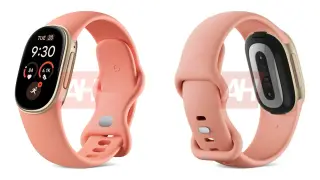
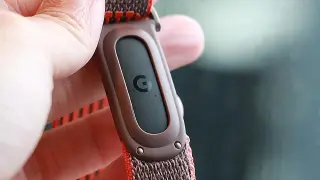
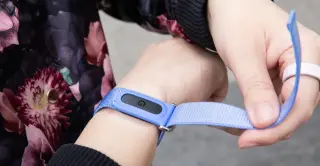
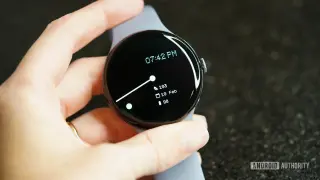
Leaked images of the Fitbit Edge, a successor to the Charge 6, show a domed display, built-in GPS, and an altimeter. The device is expected to offer up to seven days of battery life and support for Google Maps and YouTube Music, positioning it between the Fitbit Air and Pixel Watch 5.
Leaked images confirm Google is launching the Fitbit Edge, a mid-range fitness tracker positioned between the $100 Fitbit Air and the $400 Pixel Watch 5. The device features a small screen, seven-day battery life, GPS, and cross-platform support for iOS and Android, with colors matching the Pixel 11 lineup.
A mystery Google wearable surfaced in an FCC filing, described via a Goertek-made device with a screen and regulatory-info access similar to Wear OS. It appears to have Bluetooth and GPS but no Wi‑Fi, suggesting a screen-capable device that could run Wear OS. While it might be a Fitbit-branded gadget (potentially a Charge 7) rather than a Pixel Watch A‑Series, the device’s exact identity remains unconfirmed.
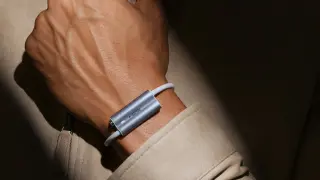
Fitbit co-founders James Park and Eric Friedman launch Luffu Link, a $249.99 screenless health-and-safety wearable designed for family care. The LTE-connected band tracks activity, sleep, and heart rate, lets users record symptoms by voice, shares location, and can contact trusted people without a phone nearby. Preorders are live with shipping in early 2027, and the accompanying app plans to consolidate a family’s health data with AI help.
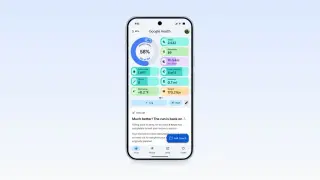
Google Health's iOS update (v5.05) adds two-way syncing between Google Health and Apple Health, letting Fitbit data and other wearable metrics—steps, distance, heart rate, sleep, etc.—flow into Apple Health (HRV data may not transfer); setup is via the Google Health app under Connections > Apps and services, and the update also adds Smart Health Links for sharing medical records.
Google Health 5.05 now lets Fitbit workouts, steps, and vitals be linked directly to Apple Health, enabling data to flow from Google Health to Apple Health without third‑party workarounds. The update follows Google Health replacing the Fitbit app earlier this year and adds Smart Health Links to share medical records; previously, users could only import Apple Health data into Google Health.
Google Health for iOS now supports two-way syncing with Apple Health, allowing exercise records, sleep, vitals, steps and Fitbit data to be written back into HealthKit and shared with other HealthKit apps or healthcare providers via Smart Health Links; the update (version 5.05) is available now on the App Store.
Android Authority argues the Pixel Watch 4 remains the better buy over the Galaxy Watch 9 for four reasons: its timeless, comfortable design; a more cohesive Wear OS experience; superior health data via Google Health/Fitbit; and a more trusted heart-rate sensor, with Pixel Watch 5 teased for later this year.
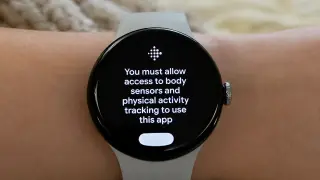
Pixel Watch users report a persistent Fitbit sensor permission screen that blocks access to health apps even when all permissions are enabled, across multiple generations. Factory resets don’t fix it, suggesting a software issue in the Fitbit-to-Google Health integration. Google hasn’t issued an official statement yet. The recommended interim steps are to keep the watch firmware and Google Health app updated and ensure data is syncing, while avoiding factory resets since they rarely help.
Google Health 5.02 restores several rebrand-era gaps for Android and Pixel Watch users, bringing back hourly activity in Today/Health tabs, sleep-editing fixes, and naps on Android, plus easier log clearing and an expanded Today view; rollout is phased across Android and iOS (with 5.03 for iOS coming later).
Using All of Us data, researchers analyzed 753 obesity patients prescribed GLP-1 medications (including semaglutide/Ozempic and tirzepatide) who had Fitbit data before/after starting therapy. After initiation, average daily steps fell from 5,047 to 4,487 and moderate-to-vigorous activity dropped from 28 minutes to 22 minutes, suggesting exercise promotion should accompany pharmacologic treatment. The findings are preliminary (to be presented at ENDO 2026) and older adults or those with musculoskeletal pain may be at higher risk for muscle loss.
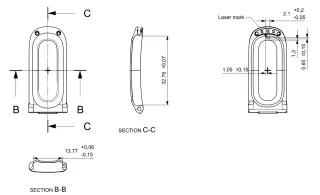
Google released the Fitbit Air CAD drawings and design guidelines to enable third‑party bands and accessories, including general branding rules and material standards. The PDF CAD visuals (not the actual CAD files) accompany policy notes, with the goal of accelerating a market for affordable aftermarket bands. The post notes potential ideas like cross‑device band integrations and adapters, while highlighting some drafting quirks like ‘Not to Scale’ and confidentiality markings.
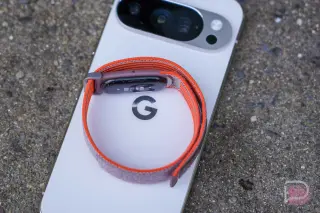
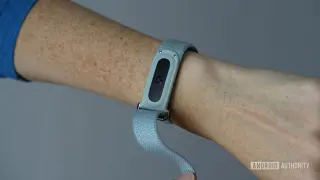
Google/Fitbit's Fitbit Air is a $99, screenless wearable focused on passive health monitoring and sleep tracking; it's incredibly comfortable with long battery life and a low-distraction design, but lacks onboard GPS and some advanced health metrics, making it best for casual users who want a simple, affordable wellness companion rather than a data-heavy smartwatch.
Google lays out a roadmap of 39+ features and fixes for Google Health, covering exercise tracking, sleep, nutrition, and the Google Health Coach, with rolling updates starting this week and continuing through summer to address gaps left by the Fitbit transition and improve overall usability.
Google has outlined a comprehensive rollout of bug fixes and new features for the redesigned Google Health app, with improvements spanning exercise tracking (correct run labeling, run splits, faster map loading, TCX exports across devices), nutrition logging (duplicate logs prevention, better meal types, energy-burn accuracy), sleep features (missing Sleep Scores fixed, 24-hour sleep view including naps), and upgrades to Google Health Coach and Ask Coach (more visuals, concise messages, memory improvements, log deletion, core temperature logging). Additional updates include plans for more structured Fitness Plans, enhanced metric views and dashboards, data sharing with Apple Health and Smart Health Links, and improved account migration (June: delete child accounts). Google Health Premium and Google Fitbit Air are now available, with ongoing updates planned through summer and Apple Health sharing on the roadmap.