
Asian Markets Rally as Tech Stocks Rebound After Thanksgiving Holiday
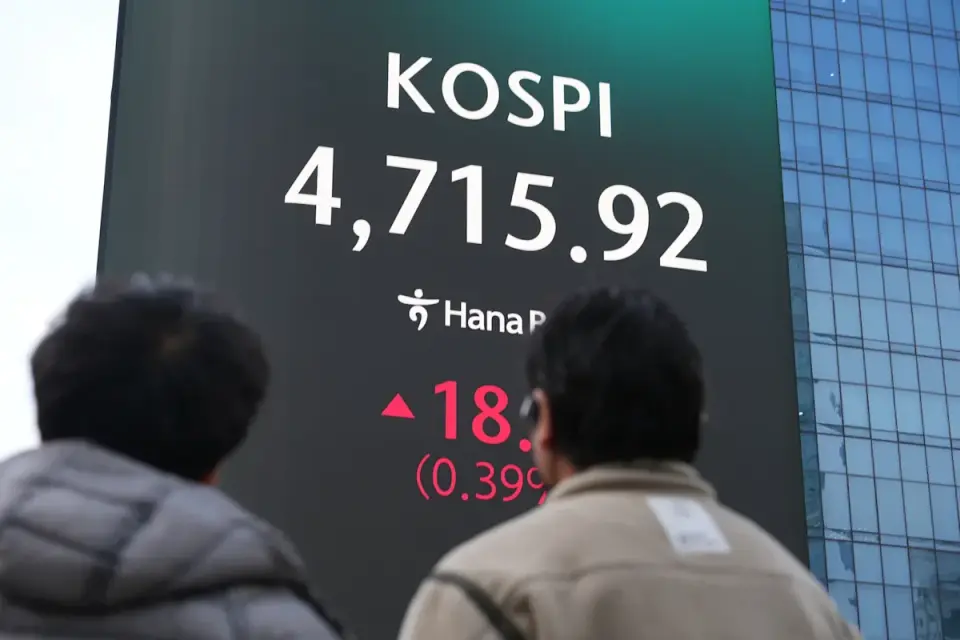
Asian equity markets posted significant gains on Friday, November 27, 2026, following a holiday-shortened session on Wall Street. The rally was driven by a sharp rebound in technology and artificial intelligence (AI) stocks, which had suffered losses earlier in the week. South Korea's Kospi index surged 4.2%, while Japan's Nikkei 225 rose nearly 2.0%. Investors appeared to overlook new U.S. tariff proposals targeting major trading partners, including China and the European Union, despite concerns over inflation and monetary policy. Oil prices also climbed amid ongoing tensions in the Middle East.
Key points
- South Korea's Kospi index surged 4.2% to 4,906.93, leading regional gains, while Japan's Nikkei 225 rose nearly 2.0% to 58,628.59.
- Technology and AI stocks drove the rally, with Japanese chipmakers Tokyo Electron and Advantest recovering from morning dips to finish considerably higher.
- Investors largely ignored new U.S. tariff proposals unveiled by the White House on Wednesday, which target over a dozen trading partners including China, the EU, and Japan.
- U.S. crude oil prices rose 2.99% to $86.18 per barrel, and Brent crude added 0.77% to $97.31, driven by uncertainty over Middle East tensions.
- The U.S. dollar edged up to 159.33 yen, while the euro rose to $1.0982, reflecting currency market movements during the session.
Background
This rally follows a period of volatility in Asian markets, where the MSCI Asia Pacific equities gauge had dropped on eight of the previous nine days before rebounding on November 25. The current movement occurs amid broader concerns over AI valuations and U.S. trade policy, following the Supreme Court's February 2026 ruling that previous 'Liberation Day' tariffs were illegal. The new tariffs are an attempt to recreate global duties through a different legal mechanism, targeting excess manufacturing capacity.
How outlets are covering it
CNBC emphasized the rebound in Asian technology stocks, noting that SoftBank Group surged more than 11% and Advantest rose 7.3% after a bruising session on Wednesday. It highlighted that investors looked past new U.S. tariffs and focused on inflation data, with the PCE price index rising 3.8% year-on-year. Al Jazeera noted that Asian stocks opened higher after a tech rout, with Japan's Nikkei adding 0.7% in morning trading, and mentioned New Zealand's bourse dipping due to political uncertainty. It also highlighted oil price gains amid Middle East tensions. Yahoo Finance reported the final closing figures, showing the Nikkei jumping nearly 2.0% and the Kospi surging 4.2%, emphasizing the continuing appeal of AI and chip stocks despite some profit-taking.
Why it matters
The rally signals renewed investor confidence in AI and technology sectors, which are critical to global economic growth. However, the underlying tensions over U.S. tariffs and inflation remain unresolved, posing risks for future market stability. The Federal Reserve's next interest rate decision, expected next month, could further influence market sentiment, with speculation of a 50-basis-point increase.
What to watch
U.S. markets will reopen later on Friday, November 27, 2026, for a holiday-shortened session. Investors will closely watch for any immediate reactions to the new U.S. tariff proposals and inflation data. The Federal Reserve's next interest rate decision is expected next month, with speculation that it could opt for a hefty 50-basis-point increase instead of the usual 25 points. Oil prices may continue to fluctuate due to ongoing Middle East tensions.
- Asian shares mostly rise ahead of Wall Street's reopening after the Thanksgiving holiday Yahoo Finance
- Global stocks rally as investors shrug off U.S. tariffs and AI jitters to 'fish for bargains' CNBC
- Shares bounce after bruising month, dollar on course for third monthly gain Reuters
- Asian Markets Rise as AI Sentiment Stabilizes WSJ
- Asian stock markets rise after earlier tech rout Al Jazeera
Want the full story? Read the original reporting
Read on Yahoo Finance