
IEA Declares Iran War Has Permanently Broken Global Energy Dependence on Hormuz
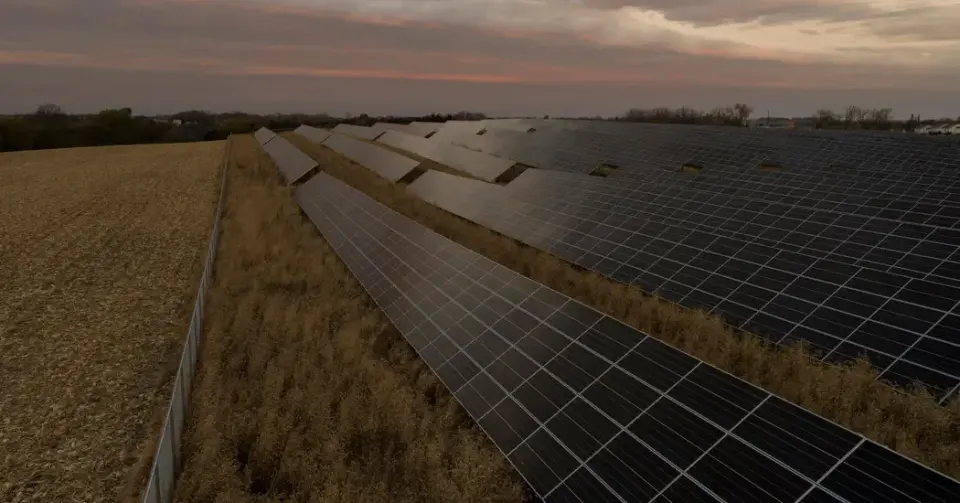
The International Energy Agency (IEA) has declared that the US-Israel war with Iran has permanently reshaped the global energy system. By disrupting the Strait of Hormuz, which typically carries 20% of global oil and gas, the conflict has triggered the largest energy shock in history. The IEA warns that confidence in the strait as a reliable corridor is 'crushed,' making a return to pre-war conditions impossible. This disruption is accelerating a global shift toward domestic power generation, electrification, and renewable energy to reduce reliance on imported fossil fuels. While Gulf oil exports have recovered to over 80% of pre-war levels, renewed strikes have raised fears that the recovery is fragile. The IEA projects that if governments accelerate energy security measures, global oil demand could drop by more than 4% by 2035, with electric vehicles alone displacing over 11 million barrels per day of demand.
Key points
- The IEA’s World Energy Outlook 2026 states the Iran war has caused the biggest disruption to global oil and gas trade ever recorded.
- The conflict has resulted in cumulative losses of 2.8 billion barrels of oil and 60 billion cubic meters of gas from the Gulf.
- IEA Executive Director Fatih Birol stated there is no credible pathway back to the energy situation that existed before February 2026.
- Gulf crude exports recovered to over 80% of pre-war levels in October, but renewed US-Iran strikes have destabilized this recovery.
- The IEA projects global oil demand could fall to 97 million barrels per day by 2035 under an 'Additional Response Case' scenario focused on energy security.
- Electrification is now cost-competitive in transport, heating, and industry, with electricity’s share of final energy consumption projected to reach 30% globally by 2035.
Background
The current energy crisis follows a series of escalating tensions in late 2026. In early November, Iranian Supreme Leader Mojtaba Khamenei ordered military preparations for global retaliation, though diplomatic talks in Qatar briefly suggested a potential reopening of the Strait of Hormuz. By mid-November, ASEAN leaders in Manila prioritized the energy crisis over trade issues, citing severe shortages in the region. Earlier reports in November indicated that fossil fuel emissions dipped by 0.4% in 2026 due to the shock, but experts warned this was temporary. Oil prices had recently dropped below $90 per barrel following US President Donald Trump’s signals that the conflict might end, though markets remain volatile due to ongoing strikes.
How outlets are covering it
The New York Times emphasizes the permanent reshaping of the energy order, highlighting the shift toward domestic power generation. NBC News focuses on the quantitative impact, noting the potential 4% drop in global oil demand by 2035 and the specific losses of 2.8 billion barrels of oil. CNBC highlights the fragility of the recovery, noting that while exports reached 80% of pre-war levels, renewed strikes have 'crushed' confidence in the Strait of Hormuz. AP News connects the energy crisis to climate goals, noting that while the shock boosts renewables, it also reinforces the case for keeping coal as a backup in coal-rich Asia. All sources agree that the pre-war energy landscape is unlikely to return, but they differ in emphasis: The Times and AP focus on the long-term structural shift, while CNBC and NBC focus on the immediate market volatility and demand projections.
Why it matters
The IEA’s assessment signals a fundamental shift in global energy policy, moving away from reliance on imported fossil fuels through the Strait of Hormuz. This shift is accelerating the adoption of electric vehicles, solar, and nuclear power, with significant implications for global trade, climate goals, and energy security. The potential drop in oil demand by 2035 could reshape the economies of oil-exporting nations and accelerate the transition to clean energy. However, the continued instability in the Middle East and the risk of renewed strikes pose ongoing risks to global energy markets and prices. The crisis also highlights the vulnerability of global supply chains and the need for diversified energy sources to mitigate future disruptions.
What to watch
The IEA will continue to monitor the recovery of Gulf oil exports and the impact of renewed US-Iran strikes on energy markets. Governments are expected to accelerate policies promoting electrification, energy efficiency, and domestic power generation to reduce dependence on imported fossil fuels. The IEA’s 'Additional Response Case' scenario suggests that global oil demand could drop significantly by 2035 if these policies are implemented. The ongoing climate talks in Turkey (COP31) will also focus on the intersection of energy security and climate goals, with discussions on how to balance the need for energy security with the push for clean energy. The future of the Strait of Hormuz as a reliable energy corridor remains uncertain, with the IEA forecasting a significant decline in oil transiting the strait by 2035.
- How the War in Iran Will Remake the Global Energy Order The New York Times
- Middle East conflict triggers biggest disruption ever to global oil trade, IEA warns NBC News
- Energy markets are not going back to the way they were, says Fatih Birol The Economist
- IEA chief sees no 'credible pathway' back to pre-war normality in the Strait of Hormuz CNBC
- There is no going back ‘to the way it was before’ the Iran war’s energy shock, IEA says AP News
Want the full story? Read the original reporting
Read on The New York Times