
Saudi Arabia Halts East-West Pipeline Operations After Drone Strikes
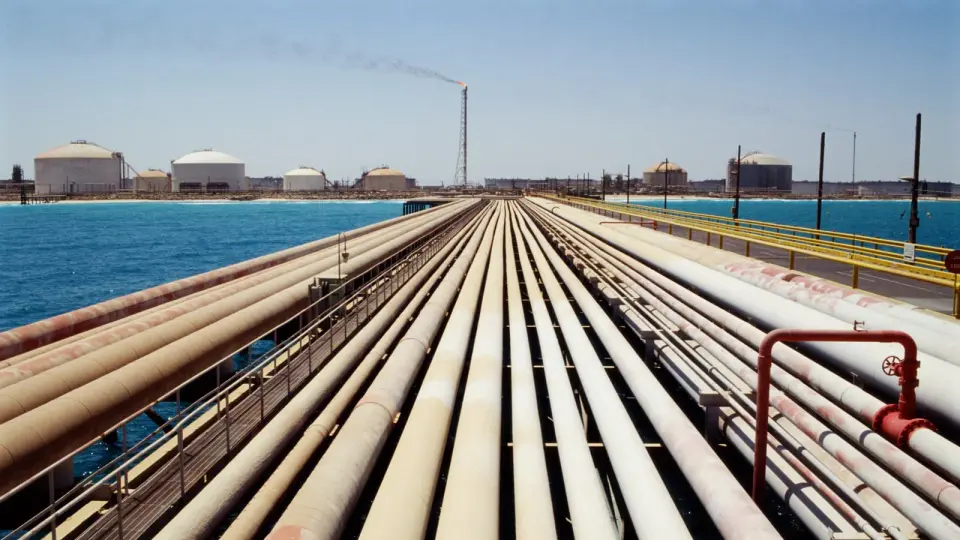
Saudi Arabia has shut down its critical East-West crude oil pipeline as a precautionary measure following multiple attacks on Thursday. The Saudi Energy Ministry confirmed the shutdown after projectiles struck pump stations in the Riyadh and Madinah regions, causing fires and injuries. While Riyadh did not attribute the attack to a specific actor, US officials suggest drones from Iraq may be responsible. This incident threatens a vital alternative route for Saudi oil exports, which have been rerouted to bypass the Strait of Hormuz due to the ongoing US-Iran war.
Key points
- Saudi Arabia’s Energy Ministry announced the shutdown of the East-West pipeline on Friday as a precaution following multiple attacks on Thursday morning.
- The attacks targeted pump stations in the Riyadh and Madinah regions, resulting in injuries and fires, with emergency teams deployed to secure the site.
- The pipeline is crucial for bypassing the Strait of Hormuz, allowing Saudi Arabia to redirect approximately 5 million barrels of crude daily to the Red Sea port of Yanbu.
- US officials indicated that the projectiles likely originated from drones launched from Iraq, though Saudi authorities have not confirmed the source or the extent of damage.
- The incident coincides with Houthi militants capturing key Red Sea coastal positions, including the Perim island, raising fears of further disruptions to global energy shipping routes.
Background
This development follows a period of escalating regional tensions. In late July, Saudi Arabia began rerouting oil through the Sumed pipeline in Egypt to evade Houthi attacks in the Red Sea. Earlier this week, oil prices surged past $100 a barrel as markets reacted to supply fears. The current conflict is part of a broader US-Iran war that began in late February, which has effectively closed the Strait of Hormuz, forcing Saudi Arabia to rely on land-based pipelines and Red Sea exports to maintain its status as the world’s largest oil exporter.
How outlets are covering it
CNBC reported the shutdown as a direct precautionary measure by the Saudi Energy Ministry, emphasizing the immediate operational halt. CNN provided technical details, citing US officials who identified pump stations as the primary targets and suggested drones from Iraq were the likely source. NBC News contextualized the pipeline attack within the broader Houthi advance, noting that the group has captured the Perim island and is threatening shipping through the Bab el-Mandeb Strait, which could further jeopardize the Red Sea route that the East-West pipeline feeds into.
Why it matters
The shutdown of the East-West pipeline threatens to exacerbate global energy shortages. As the Strait of Hormuz remains blocked by the US-Iran conflict, Saudi Arabia relies on this pipeline to export millions of barrels daily. Any prolonged disruption could lead to further spikes in oil prices and deepen the global energy crisis, particularly if Houthi forces successfully restrict shipping through the Red Sea’s Bab el-Mandeb Strait.
What to watch
Authorities are assessing the damage to the pump stations and the pipeline itself to determine repair timelines. The Saudi government and Aramco have not yet provided updates on when operations might resume. Meanwhile, the Houthi advance in Yemen continues, with the group vowing to target Saudi vessels until the blockade against Yemen is lifted, potentially forcing Saudi Arabia to seek alternative export routes or face significant reductions in crude output.
- Saudi Arabia shut down East-West crude oil pipeline after multiple attacks CNBC
- Saudi Oil Pipeline That Bypasses Hormuz Shut After Attacks Bloomberg.com
- Saudi Arabian oil pipeline system hit by projectiles triggering fires CNN
- Iran-backed Houthis take control of Red Sea coastline, tightening grip on crucial shipping lane NBC News
- As Saudi tensions with Iran-backed Houthis escalate, mediator Pakistan faces pressure to choose a side Reuters
Want the full story? Read the original reporting
Read on CNBC