
Record-Breaking El Niño Triggers Global Hunger Warning and UK Emergency Prep
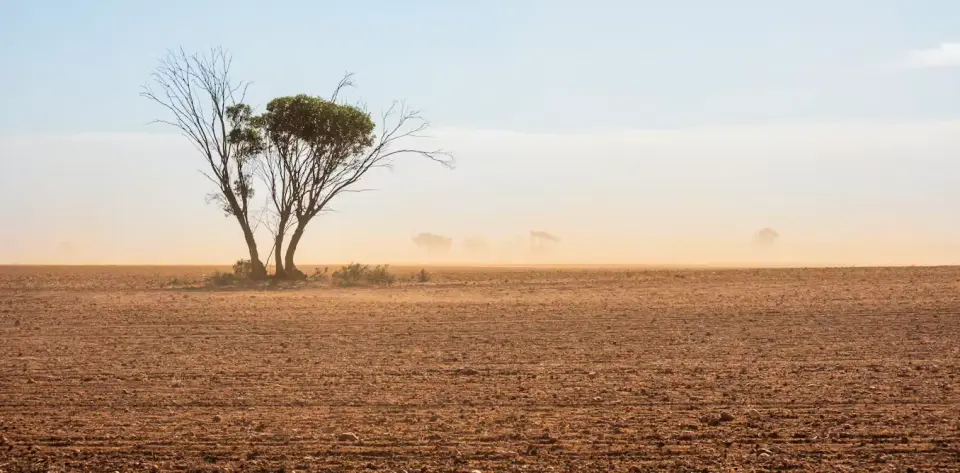
A historic El Niño, potentially the strongest in 1,000 years, is intensifying rapidly, with Pacific ocean temperatures already 2.6°C above average and forecast to peak near 4°C in November. This event is expected to drive record global temperatures in 2027 and exacerbate extreme weather, including wildfires in Indonesia and floods in South America. The UN warns that nearly 50 million people may face acute hunger. In response, UK officials are urging citizens to stockpile food and water, citing increased risks of severe storms and supply chain vulnerabilities.
Key points
- The current El Niño is developing faster and stronger than any previous event, with August relative index data showing temperatures 2.3°C above average.
- Forecasters predict the event will peak in November with anomalies reaching approximately 4°C, potentially making 2027 the hottest year on record.
- The UN Secretary-General described the situation as a 'danger zone' of extreme weather, noting that the El Niño is 'supersizing before our eyes.'
- The World Food Programme estimates that nearly 50 million people in vulnerable communities could be pushed into acute hunger due to crop failures and droughts.
- UK Environment Secretary Angela Eagle advised households to store several days' worth of food and water to prepare for potential power or water outages during severe storms.
Background
Previous coverage indicated that while El Niño impacts vary regionally, such as potentially milder winters in parts of the US or coastal flooding in California, the global consensus has shifted toward expecting a 'super' event. Earlier reports in August and September 2026 highlighted the unprecedented speed of this warming, with NOAA and the WMO confirming a high probability of a 'very strong' classification. The current development confirms these forecasts, moving from prediction to active, record-breaking impacts.
How outlets are covering it
The Conversation emphasizes the scientific anomaly, noting that the El Niño is 'extra early' and 'extra hot' compared to historical norms, and highlights the need for better modeling to understand local impacts in Australia. The Guardian and BBC focus on the policy and human response, particularly in the UK. While The Conversation discusses the broader global threat, The Guardian and BBC highlight specific government actions, such as Angela Eagle’s call for emergency preparedness and the National Audit Office’s warning about food supply chain vulnerabilities. The Guardian cites climate analyst Zeke Hausfather, who argues this event is the largest in a millennium based on historical data, whereas The Conversation focuses on the relative index accounting for background warming. All sources agree on the severity but differ in emphasis: The Conversation on meteorological mechanics, while the UK outlets focus on societal resilience and food security.
Why it matters
This event represents a critical tipping point in global climate stability, with immediate consequences for food security and infrastructure. The potential for 2027 to become the hottest year on record underscores the accelerating pace of global warming. The UN’s warning that the planet is in 'uncharted waters' signals that current adaptation strategies may be insufficient. For policymakers, the UK’s push for emergency preparedness and reservoir construction reflects a shift toward acknowledging that extreme weather is now a baseline risk rather than an anomaly. For the global population, the threat of acute hunger for 50 million people highlights the direct link between climate phenomena and humanitarian crises.
What to watch
Meteorologists expect the El Niño to peak in November, potentially reaching 4°C above average. Governments are expected to unveil emergency preparedness strategies later in 2026. The World Food Programme will likely monitor hunger levels closely through 2027. Scientists are calling for increased investment in modeling capabilities to better predict regional impacts, particularly in areas like Australia where effects are less predictable. The UN urges immediate climate action to mitigate the compounding effects of this event with long-term global warming.
- A record-shattering El Niño is almost here. Here’s what that means for the world’s weather The Conversation
- Minister tells Brits to stock up on days of supplies after ‘supersize’ El Niño warning The Guardian
- Stock up on food to prepare for extreme El Niño weather, minister warns BBC
- 'Supersized' El Niño may become strongest ever recorded, UN says Reuters
- 9NEWS Colorado Winter Outlook: Snowy winter ahead? 9News
Want the full story? Read the original reporting
Read on The Conversation