
COP31 Draft Omits Fossil Fuel Language, Risking Collapse Over Finance and Carbon Capture
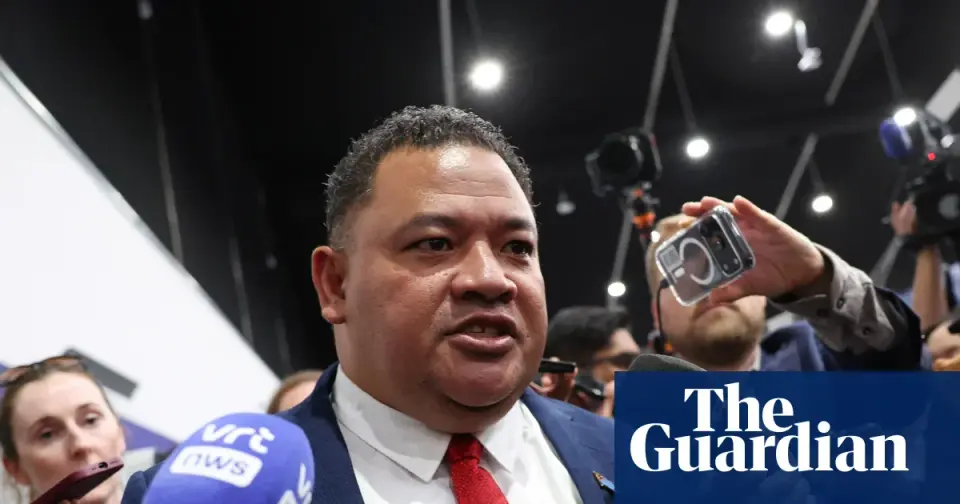
UN climate talks in Antalya stalled into overtime as a new draft agreement failed to explicitly mention phasing out fossil fuels. While the text references a 2023 Dubai consensus and sets a 35% electrification target for 2035, it omits specific language on fossil fuels and adaptation finance, drawing sharp criticism from developing nations and the EU. Saudi Arabia and allies oppose explicit phaseout language, while critics argue the draft prioritizes carbon capture technology over emission reductions. Negotiators face a potential quorum crisis as delegates reschedule flights, with consensus required to pass the final accord.
Key points
- A third draft of the COP31 outcome, released early Sunday, omits explicit references to 'fossil fuels,' 'oil,' or 'coal,' instead recalling the 2023 Dubai consensus on transitioning away from them.
- The draft sets a target for 35% of global energy consumption to come from electricity by 2035, up from 21%, but critics argue it allows fossil-fueled electrification without requiring renewable sources.
- The agreement includes a specific goal for carbon capture and storage (CCS) of 1 billion metric tons, a move opposed by some nations who view it as a loophole for continued emissions.
- Developing nations remain frustrated by the absence of concrete adaptation finance figures, with earlier drafts proposing $120 billion by 2035 being removed from the latest text.
- Talks have extended past the original Friday deadline, raising concerns that departing delegates may prevent the two-thirds quorum needed to pass the agreement under UN rules.
Background
COP31 in Antalya, Turkey, is the first UN climate summit with a dual presidency, shared by Australia and Turkey. Previous summits, including COP28 in Dubai (2023) and COP30 in Brazil (2025), established the principle of transitioning away from fossil fuels, but implementation has stalled. Recent archive coverage noted that developing nations have struggled to plan for climate adaptation due to delayed funding targets from rich countries, with UN Secretary-General António Guterres warning that current commitments are insufficient. The current impasse follows a pattern where oil-rich nations block explicit fossil fuel language, while small island states and the EU demand it as a 'red line' for addressing the root cause of climate change.
How outlets are covering it
The Guardian and AP News highlight the omission of fossil fuel language as the primary sticking point, noting that Saudi Arabia and allies oppose explicit phaseout commitments. The BBC emphasizes the draft’s inclusion of a 35% electrification target and carbon capture goals, while noting the EU’s concern that this could permit fossil-fueled electricity. Developing nations, represented by Ghana’s Environment Minister, argue that the lack of concrete adaptation finance is a betrayal of promises, stating they 'did not come here to beg.' Climate activists, including Mohamed Adow of Power Shift Africa, describe the summit as the 'worst COP ever,' blaming rich countries for failing to deliver on financial commitments. Conversely, UK Energy Minister Miatta Fahnbulleh and Turkish President Murat Kurum maintain that negotiations remain productive and that a deal is still possible, with Kurum urging delegates to review the latest draft carefully. The AP notes that China and India are unlikely to oppose the deal, potentially allowing it to pass despite Saudi Arabia’s resistance.
Why it matters
The outcome of COP31 will determine whether the global community can maintain momentum on the 2023 Dubai consensus to phase out fossil fuels. A failure to reach consensus could set back climate action for years, as the UN climate process has only once before suspended talks due to lack of agreement. The draft’s focus on electrification and carbon capture, without explicit fossil fuel restrictions, risks locking in continued emissions if renewable energy does not dominate the new electricity mix. Additionally, the absence of concrete adaptation finance figures leaves developing nations vulnerable to escalating climate impacts, undermining global equity and cooperation. The potential collapse of the talks due to quorum issues could signal a broader failure of the UN climate framework to address the root causes of the crisis.
What to watch
Negotiators are expected to reconvene at 9:00 local time on Sunday to debate the third draft. If consensus cannot be reached, talks may be suspended until next year, a scenario that has only occurred once since 1995. Some countries are considering forcing an open meeting to publicly expose Saudi Arabia’s opposition to a stronger outcome, though this risks collapsing the talks entirely. Delegates are rescheduling flights, raising concerns about maintaining the two-thirds quorum required to pass the agreement. The EU and Pacific states are likely to remain opposed to the draft’s omission of fossil fuel language, while the Africa Group may reject the lack of specific adaptation finance figures. The final outcome will depend on whether the dual presidency can broker a compromise that satisfies both oil-rich nations and climate-vulnerable states.
- Climate talks stall as countries mull showdown with Saudi Arabia over fossil fuel phaseout | Cop31 The Guardian
- COP 31 latest: Desperate bid to achieve deal as clock ticks down at climate summit Sky News
- Fossil fuel dispute threatens to derail COP31 climate deal BBC
- Climate talks in overtime as nations wrestle with response to worsening global warming PBS
- Turkey's final draft at UN climate talks doesn't mention the fossil fuels that cause global warming AP News
Want the full story? Read the original reporting
Read on The Guardian