
Kent urges Trump to withdraw troops as Iran denies ceasefire claims
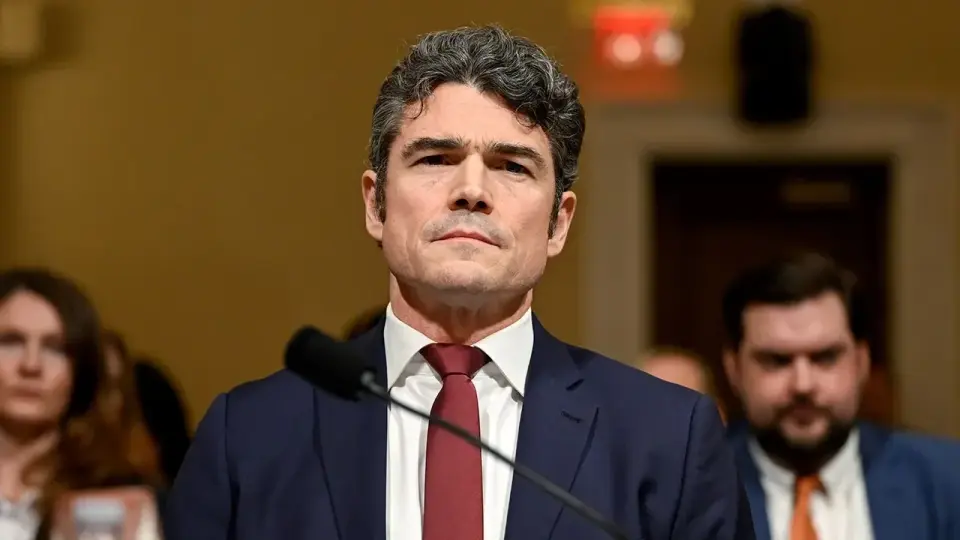
Former counterterrorism chief Joe Kent argues President Trump should withdraw US troops from the Middle East and declare victory on Iran's nuclear program, using sanctions relief to reopen the Strait of Hormuz. This follows Trump's latest halt of planned strikes, which he claims was requested by Iran and allies, though Tehran denies making such a request. The move continues a five-month pattern of alternating threats and pauses in the conflict.
Key points
- Joe Kent, former National Counterterrorism Center director, stated that military force cannot open the Strait of Hormuz without causing a years-long war.
- Kent advised Trump to declare victory on the non-proliferation goal and use sanctions relief as an incentive for Iran to reopen the strait after US withdrawal.
- Trump announced on Truth Social that he canceled planned strikes after being asked by Iran and other Middle Eastern countries to hold off pending a deal.
- Iran's Mehr News Agency rejected Trump's claim that Tehran requested a pause, labeling it a 'new lie' according to BBC and NPR reports.
- White House spokesman Davis Ingle defended the pause, stating the President acts on national security interests rather than opinion polls or pundits.
Background
The current standoff follows a volatile five-month conflict that began in late February 2026. Previous archive reports indicate the US conducted strikes on Iranian air defenses in July to protect shipping lanes, while Iranian advisers warned of regional devastation if their energy grid was targeted. The current pause is the latest in a series of temporary ceasefires, including those in April, May, and June, which frequently collapsed within days or weeks.
How outlets are covering it
Fox News highlights Joe Kent's argument that continued US presence risks an uncontrollable escalation cycle, framing the withdrawal as a strategic necessity. The New York Times offers a contrasting view, suggesting that Trump's reversal demonstrates Iranian leverage, as Tehran believes Washington fears war more than it does. AP News provides a historical timeline, noting that this pause follows a pattern of abrupt shifts between threats and negotiations, with previous ceasefires often ending in renewed strikes within days. While Fox emphasizes the diplomatic opportunity, the NYT focuses on the power dynamic, and AP contextualizes the event within a broader cycle of instability.
Why it matters
The decision to pause strikes and the debate over troop withdrawal directly impact global energy markets and regional stability. If the US withdraws, it may signal the end of active combat, but the unresolved status of the Strait of Hormuz and Iran's nuclear program leaves significant risks for future escalation. The disagreement between US and Iranian narratives on who initiated the pause complicates diplomatic efforts and may influence the durability of any resulting agreement.
What to watch
Negotiations were set to begin the day after the announcement. The outcome will depend on whether Iran honors the claimed parameters for reopening the Strait of Hormuz and whether the US follows through on a potential withdrawal. Analysts suggest that without a formal treaty, the ceasefire remains fragile, with a high risk of renewed strikes if talks fail.
- Trump can declare Iran victory now and withdraw troops, former counterterror official argues foxnews.com
- For Iran, Trump’s Reversal on Escalation Shows Who Has the Upper Hand The New York Times
- Trump frequently announces he’s halting strikes in Iran. But they keep happening AP News
- Live Updates: Trump calls Iran "unbelievably duplicitous" after Tehran denies his claim talks are resuming CBS News
- Opinion | Trump’s Latest Iran ‘DEAL’ WSJ
Want the full story? Read the original reporting
Read on foxnews.com