
Melania Trump’s Oleshky Ceasefire Begins Amid US-Ukraine Tensions
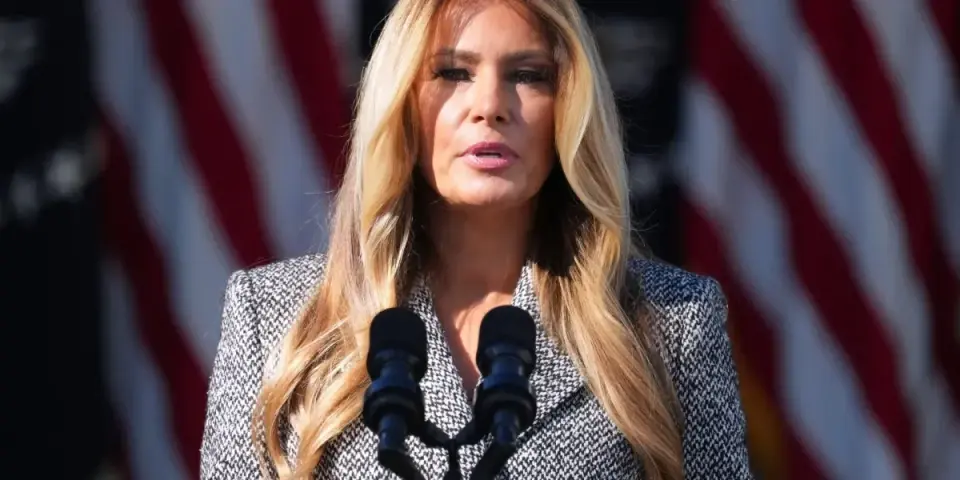
The White House announced that First Lady Melania Trump brokered a localized ceasefire in the Russian-occupied Ukrainian city of Oleshky, effective October 29. The agreement aims to halt military action to allow humanitarian aid and evacuate approximately 1,700 to 2,000 remaining residents, primarily elderly people, who face a severe crisis due to lack of food, water, and electricity. While the Kremlin and Ukraine confirmed the deal, implementation is expected to be difficult, occurring amidst rising tensions between Washington and Kyiv over military aid and satellite access restrictions.
Key points
- Ceasefire begins October 29 to allow humanitarian aid and civilian evacuation in Oleshky.
- Melania Trump initiated discussions after learning of the crisis during a UN General Assembly event.
- Remaining population is 1,700-2,000, down from 24,000 pre-war, with 90% of the city previously flooded.
- Newsmax was selected as the media organization to document the evacuation process.
- Ukraine’s human rights ombudsman called the operation 'extremely challenging to implement.'
Background
This development follows earlier reports from our archive confirming the ceasefire agreement and noting that both Moscow and Kyiv were still coordinating specific timing. It occurs amidst ongoing disputes over Starlink satellite access and US-Ukraine tensions regarding military aid, as noted in previous coverage from October 16 and 23.
How outlets are covering it
Fortune and AP emphasize the humanitarian crisis and Melania Trump’s role in brokering the deal, noting her focus on children in conflict zones. CNBC highlights the specific terms, including the choice of Newsmax as the documenting media organization, and frames the event within the context of President Trump pressuring Ukraine to reach a broader peace deal. AP provides additional detail on Russian military confirmation of the ceasefire on the Kherson axis and quotes from Russian and Ukrainian officials, while noting the lack of immediate comment from the Ukrainian government in some reports. All sources agree on the October 29 start date and the humanitarian purpose, but differ in emphasis on the political context and implementation challenges.
Why it matters
The ceasefire represents a rare localized humanitarian breakthrough in the ongoing Russia-Ukraine war, potentially saving lives in a besieged city. However, it also highlights the complex and strained diplomatic landscape, where US-Ukraine tensions over military aid and satellite access complicate broader peace efforts. The involvement of a specific media outlet raises questions about the neutrality and transparency of the evacuation process.
What to watch
The ceasefire is set to begin on October 29, with humanitarian teams expected to assess needs and coordinate evacuations. The process is anticipated to take several days, with residents choosing to evacuate to either Russian or Ukrainian-held territory. Broader peace talks, including potential trilateral negotiations, may be influenced by the success or failure of this localized operation.
- White House says Melania Trump brokered a Russia-Ukraine ceasefire—but just in one city Fortune
- Russia, Ukraine agree to ceasefire in Ukrainian city hit by food crisis, brokered by Melania Trump Reuters
- White House Says Melania Trump Forged Localized Ceasefire in Russia-Ukraine War People.com
- Russia, Ukraine agree to Oleshky ceasefire brokered by Melania Trump, White House says CNBC
- Ukrainian negotiator says local humanitarian ceasefire with Russia will start Tuesday AP News
Want the full story? Read the original reporting
Read on Fortune