
Netanyahu Demands Regime Change as US Weighs Post-Election Strikes on Iran
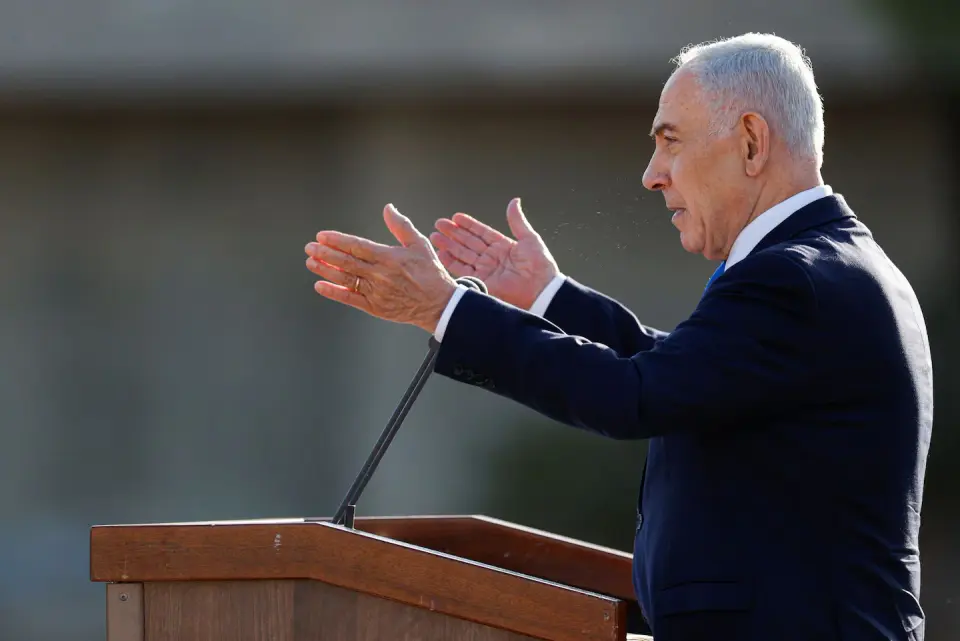
Israeli Prime Minister Benjamin Netanyahu declared that toppling the Iranian regime is Israel’s primary objective, urging the United States to join in overthrowing Tehran. Simultaneously, reports indicate that Washington and Jerusalem are planning major strikes on Iranian energy, nuclear, and military infrastructure following the US midterm elections in November. While Defense Secretary Pete Hegseth discussed these plans with Netanyahu, President Donald Trump has not yet approved the operation. Analysts remain skeptical that air strikes alone can achieve regime change, noting that Iran retains significant retaliatory capabilities and that US political constraints may prevent escalation.
Key points
- Netanyahu stated at an IDF graduation ceremony that the Iranian regime must be overthrown, criticizing Supreme Leader Mojtaba Khamenei for pursuing nuclear weapons.
- The New York Times reported that the US and Israel are developing plans for major strikes on Iran’s energy infrastructure, nuclear facilities, and missile arsenals after the November US midterms.
- Defense Secretary Pete Hegseth met with Netanyahu in Israel to discuss renewed strikes, though Trump has not approved the operation and previously blocked similar plans.
- Trump suggested a limited, intense campaign could hasten Iran’s economic collapse and force negotiations, but he has also postponed strikes to avoid political fallout before the midterms.
- Iranian officials warned that any attack would trigger a severe energy crisis and retaliatory strikes on US-linked assets, including data centers and subsea cables in the Gulf.
- Analysts argue that air power alone cannot achieve regime change, as it requires a ground component that neither Israel nor the US is prepared to deploy.
Background
This development follows a series of escalations in late 2026, including Netanyahu’s UN address in September predicting the fall of the Iranian regime and Israeli F-35 drills near the Iranian border in October. Previous US-Iran conflicts in 2025 and early 2026 failed to force regime change, leading to ongoing economic sanctions and a US naval blockade. Iran has faced internal unrest, including protests and troop mobilizations, but maintains its stance against direct negotiations with the US.
How outlets are covering it
The Washington Post highlights Netanyahu’s explicit call for regime change, framing it as a strategic imperative for Israel. Time Magazine and The Daily Beast emphasize the US-Israel planning for post-election strikes, noting that Trump is weighing a limited campaign to break Iran’s resistance, though he has not approved it. Al Jazeera provides a critical analysis, arguing that while Israel has the firepower to damage Iran, it lacks the strategy or ground forces to overthrow the regime. Al Jazeera also notes that US support is uncertain due to political constraints and the risk of a prolonged conflict. The Daily Beast points out that Trump’s shifting positions on strikes have caused 'whiplash' among military planners, while The Washington Post focuses on the rhetorical escalation from Netanyahu. All sources agree that Iran retains significant retaliatory capabilities, but they differ on the likelihood of US involvement and the potential success of air strikes.
Why it matters
The potential for renewed strikes could escalate a regional conflict, disrupt global energy supplies, and impact US midterm elections. A failed regime change attempt could further isolate Israel and deepen US-Iran tensions, while a successful campaign could alter the balance of power in the Middle East. The outcome will depend on US political will, Iranian resilience, and the ability of air power to achieve political objectives without ground intervention.
What to watch
Watch for US approval of strikes after the November midterms, any Israeli unilateral action before the October 27 election, and Iranian retaliatory measures. Monitor the status of US-Iran negotiations and the impact of the US naval blockade on Iran’s economy. Assess the political consequences for Trump and Netanyahu, as well as the potential for a broader regional conflict involving the Houthis and Saudi Arabia.
- Netanyahu says U.S. and Israel must topple Iranian regime The Washington Post
- U.S. Reportedly Considering Major Strikes on Iran After Midterms Time Magazine
- Netanyahu promises Iran regime change: Can Israel topple Tehran government? Al Jazeera
- Leak Exposes Trump Team’s Plans for Post-Election Shock The Daily Beast
- U.S. and Israel are planning for a possible post-midterms attack on Iran NPR
Want the full story? Read the original reporting
Read on The Washington Post