
Netanyahu’s Rejection of Trump’s Gaza Roadmap Deepens US-Israel Rift
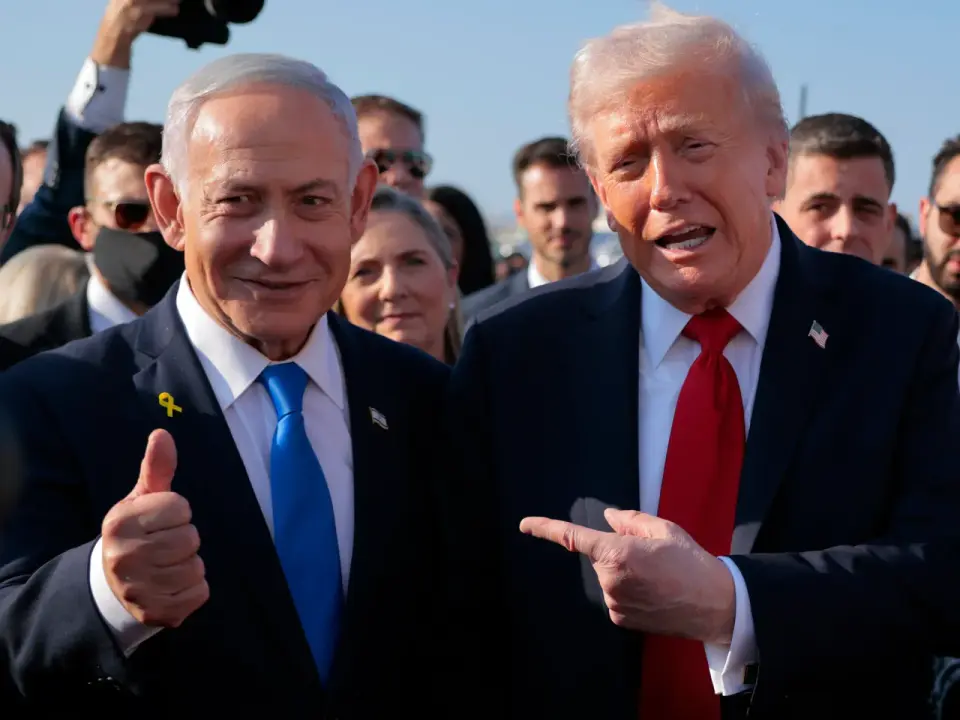
Israeli Prime Minister Benjamin Netanyahu has formally rejected the US-backed 15-point roadmap for Gaza, stating that Israeli forces will not withdraw until Hamas is fully disarmed. This decision marks a sharp break with President Donald Trump, who had recently hailed the plan as a breakthrough. While the US-led Board of Peace insists on a phased approach, Netanyahu’s stance prioritizes security guarantees over the proposed timeline, complicating the peace process ahead of Israeli elections.
Key points
- Netanyahu stated that Israel rejects the 15-point document and will not withdraw troops until Hamas is 'genuinely disarmed.'
- The plan, proposed by the US-led Board of Peace on July 30, links Hamas disarmament to a phased Israeli withdrawal and the establishment of a Palestinian governing body.
- Trump had announced the agreement as a breakthrough in late July, but Netanyahu’s office had previously expressed reservations about the framework.
- Hamas has indicated it will only comply with the plan if Israel halts strikes and withdraws to the 'Yellow Line' boundary.
- The rejection occurs ahead of Israeli elections in October 2026, with Netanyahu facing pressure from his right-wing base.
Background
The 15-point roadmap was proposed by the US-led Board of Peace, a body created by Trump in October 2025 and designated by UN Security Council Resolution 2803. Earlier in July, Israel’s security cabinet approved the entry of an International Stabilization Force into Gaza, but no deployment timeline was set. Critics, including Slate’s Fred Kaplan, have argued that the plan lacks credible signatories and clear sequencing, describing it as a 'phantom plan' rather than a viable peace framework.
How outlets are covering it
The New York Times characterizes Netanyahu’s rejection as an unusually public break with Trump, noting their previously close relationship. Al Jazeera highlights the political pressure Netanyahu faces from his right-wing base ahead of elections, suggesting the rejection is a strategic move to maintain support. The Washington Post frames the rejection as a direct challenge to Trump’s 'breakthrough' narrative, emphasizing the diplomatic fallout. KOMO News notes that Hamas remains committed to the roadmap but conditions its compliance on Israeli withdrawal and a halt to strikes. Analysts like Dan Perry argue that the security and humanitarian needs are not mutually exclusive, while others suggest Netanyahu is prioritizing a 'forever war' narrative for electoral gain.
Why it matters
The rejection of the 15-point plan stalls the primary US-led effort to end the conflict in Gaza. It signals a potential shift in US-Israel relations, as Trump’s administration had invested significant diplomatic capital in the roadmap. The impasse may prolong the humanitarian crisis in Gaza, where over 73,300 Palestinians have been killed since the war began in October 2023, and further complicate the transition to a post-conflict governance structure.
What to watch
The US government is expected to engage with Israel to address its concerns about the plan, as Netanyahu stated that Israel is 'discussing this with the Americans.' The Board of Peace may need to revise its approach or seek new mediators to bridge the gap between Israel’s security demands and the proposed disarmament timeline. Hamas’s compliance remains contingent on Israeli actions, and the lack of progress could lead to renewed hostilities or a prolonged stalemate.
- What now as Israel rejects Trump’s 15-point plan for Gaza? Al Jazeera
- Israel Rejects Trump’s 15-Point Plan to Disarm Hamas The New York Times
- Netanyahu rejects US-backed Gaza peace plan, demands Hamas disarmament first KOMO
- Netanyahu rejects Trump-backed Gaza plan for Hamas to disarm, Israel to withdraw The Washington Post
- Netanyahu rejects Board of Peace's Gaza plan: No 'withdrawal until Hamas is genuinely disarmed' Fox News
Want the full story? Read the original reporting
Read on Al Jazeera