
Pyongyang fires second missile in a week as Seoul and Tokyo brace for joint drills
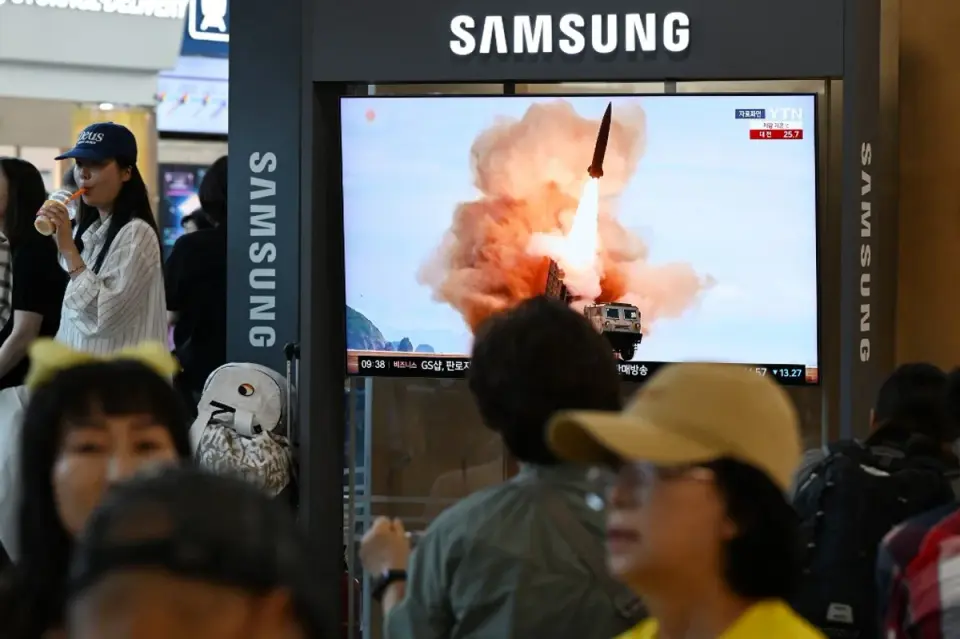
North Korea launched a ballistic missile from Wonsan on August 12, 2026, landing outside Japan’s exclusive economic zone. This was the second such test in less than a week, occurring just days before the US and South Korea begin the Ulchi Freedom Shield exercises. The launch followed President Volodymyr Zelensky’s warning that North Korea’s combat experience in Ukraine poses a direct threat to Asian nations.
Key points
- The missile was launched at approximately 6:00 a.m. local time from the Wonsan area, traveling roughly 700 kilometers before landing in the Sea of Japan, according to South Korean and Japanese authorities.
- Japan’s Defense Minister Shinjiro Koizumi confirmed the launch and stated that Tokyo lodged a strong diplomatic protest with Pyongyang, condemning the action as a threat to regional security.
- The test occurred just over a day after Zelensky warned that North Korea’s growing battlefield experience in Ukraine could endanger Japan, South Korea, and the Philippines, as Moscow increasingly relies on Pyongyang for weapons and troops.
- The launch precedes the annual Ulchi Freedom Shield exercises, scheduled for August 17–27, which will involve approximately 18,000 South Korean and 28,500 US troops in joint drills.
- North Korea has previously characterized such US-South Korean exercises as rehearsals for an invasion, and experts note that Pyongyang routinely responds to these drills with missile tests to signal its opposition.
Background
This event follows a series of warnings by Ukrainian President Volodymyr Zelensky in early August 2026, who alleged that Russia is preparing to deploy up to 50,000 North Korean troops to Ukraine and has received additional ballistic missiles from Pyongyang. Zelensky argued that North Korea’s participation in the war against Ukraine provides it with critical combat experience, thereby increasing the security threat it poses to neighboring Asian countries. The current missile launch is the second in less than a week, following a short-range ballistic missile test on August 6, 2026.
How outlets are covering it
Kyiv Post emphasizes the direct link between the missile launch and Zelensky’s recent warnings about North Korea’s growing threat to Asia, highlighting the missile’s trajectory and the diplomatic response from Japan. Fox News focuses on the timing of the launch relative to the upcoming US-South Korean military drills, noting that the US military is monitoring the situation but assessing no immediate threat to its personnel or allies. AP News provides a factual confirmation of the launch by South Korean authorities, framing it as a likely protest against the upcoming joint exercises. While all sources agree on the launch details, Kyiv Post and Fox News differ in their emphasis: Kyiv Post connects the event to the broader Russia-North Korea-Ukraine dynamic, whereas Fox News centers on the US-South Korea alliance and the defensive nature of the upcoming drills.
Why it matters
The launch underscores the escalating tensions in the Asia-Pacific region and the interconnected nature of global security threats. It highlights the potential for North Korea to leverage its combat experience from Ukraine to enhance its own military capabilities, posing a direct threat to its neighbors. The timing of the launch, just before major US-South Korean drills, suggests that Pyongyang is using missile tests to signal its opposition to these exercises and to assert its influence in the region. This event also reflects the growing reliance of Russia on North Korean support, which has broader implications for international security and the balance of power in both Europe and Asia.
What to watch
The next major development will be the start of the Ulchi Freedom Shield exercises on August 17, 2026, which North Korea is likely to respond to with further provocations or missile tests. Additionally, the diplomatic response from Japan and the US to the latest launch may lead to increased military cooperation and defense spending in the region. The situation in Ukraine, particularly the potential deployment of North Korean troops, will also be closely monitored for its impact on the broader conflict and its implications for North Korea’s military capabilities.
- North Korea Fires Ballistic Missile 1 Day After Zelensky Warns Japan, South Korea, Philippines Kyiv Post
- North Korea fires missile ahead of major US-South Korea drills Reuters
- North Korea launches another ballistic missile as US, South Korea prepare for military drills foxnews.com
- North Korea launches another missile toward sea ahead of US-South Korean military drills AP News
- North Korea missile launch hints at upgraded weapons exports to Russia for Ukraine war South China Morning Post
Want the full story? Read the original reporting
Read on Kyiv Post