
Saudi Arabia Weighs Military Options as Houthi Advances Threaten Oil Exports
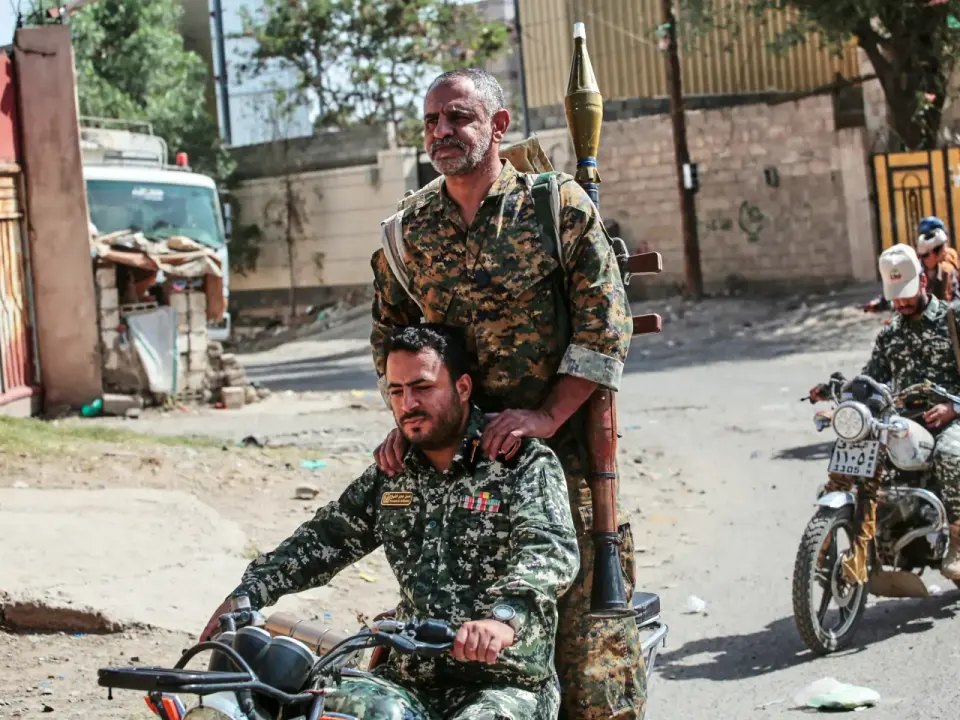
Iran-backed Houthis have seized key Red Sea positions, including the Hanish islands and Mocha, threatening Saudi Arabia’s oil export routes. A drone strike on the East-West Pipeline forced a shutdown, prompting Riyadh to seek US military support, which Washington has refused. Analysts warn that Saudi Arabia may need to act unilaterally or activate the Mecca Defense Pact with Turkey and Pakistan.
Key points
- Houthis captured the Greater and Lesser Hanish islands and the port city of Mocha, tightening control near the Bab al-Mandeb Strait.
- A drone attack on Saudi Arabia’s East-West Pipeline, which carries 4% of global oil supplies, forced a shutdown; US Energy Secretary Chris Wright claims it will reopen in days, but analysts cite satellite imagery suggesting months of repair.
- Saudi Crown Prince Mohammed bin Salman contacted US President Donald Trump twice requesting military action against the Houthis, but Trump refused both times.
- US Vice President JD Vance confirmed direct talks with the Houthis, a move critics argue grants the rebels unwanted legitimacy and complicates multilateral diplomacy.
- The Mecca Joint Defence Agreement with Turkey and Pakistan may be activated if fighting spills into Saudi territory, though the specific nature of intervention remains unclear.
Background
This escalation follows a series of Houthi attacks on Saudi energy infrastructure and military bases in early September 2026, including a first-time emergency alert in Mecca. Previous coverage noted Saudi efforts to rally Arab support, including from Egypt, while bracing for a protracted conflict that threatens regional energy exports and investment.
How outlets are covering it
Al Jazeera emphasizes the strategic dilemma facing Riyadh, noting that while Saudi Arabia possesses a strong air force, it may need US logistical support or to test new alliances like the Mecca Pact. The New York Times highlights Saudi 'strategic shock' after being rebuffed by Washington, describing the situation as a 'worst-case scenario' where diplomatic efforts with Iran have stalled. CNBC focuses on the economic impact, noting a 5% rise in US crude prices and conflicting timelines for pipeline repair, with some experts arguing the damage is more severe than official claims suggest.
Why it matters
The crisis threatens nearly a third of the global oil economy by squeezing export routes through both the Strait of Hormuz and the Red Sea. Prolonged pipeline outages could remove 120 million barrels from the market in a month, potentially driving fuel prices higher and destabilizing global energy supplies.
What to watch
Saudi Arabia is expected to decide whether to act unilaterally, activate the Mecca Defense Pact, or continue seeking US support. The outcome of direct US-Houthi talks and the speed of pipeline repairs will determine the immediate impact on global oil markets and regional stability.
- Saudi Arabia faces high-stakes choices as war with Houthis escalates Al Jazeera
- Saudi cancels some oil cargoes after pipeline hit, top buyer chasing alternatives Reuters
- Saudi pipeline closure is a brief interruption that will last days, U.S. Energy secretary tells CNBC CNBC
- Saudi Arabia Faces ‘Worst-Case Scenario’ After Iran’s Attacks and Trump’s Rebuffs The New York Times
- Saudi Arabia faces hard choices as Houthis gain in Yemen DW.com
Want the full story? Read the original reporting
Read on Al Jazeera