
Trump Blames Iran for Latest Saudi Pipeline Strikes as Riyadh Halts Key Oil Route
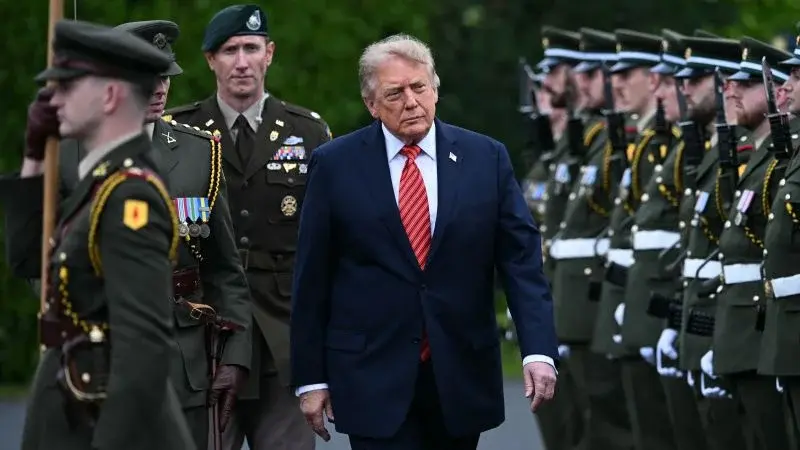
Saudi Arabia has shut down its critical East-West crude oil pipeline following multiple attacks in the Riyadh and Madinah regions, according to the kingdom's Energy Ministry. While Riyadh has not officially attributed the strikes, U.S. President Donald Trump stated that Iran is likely responsible. The shutdown affects a key route used to bypass the Strait of Hormuz, redirecting millions of barrels of crude to the Red Sea. Emergency teams have been deployed to secure the infrastructure, and multiple individuals were injured in the incidents.
Key points
- Saudi Arabia’s Energy Ministry confirmed the precautionary shutdown of the East-West pipeline after attacks in Riyadh and Madinah on Thursday morning.
- President Trump publicly suggested Iran is probably responsible for the latest attacks, though Saudi officials have not formally assigned blame.
- The pipeline is vital for bypassing the Strait of Hormuz, allowing Saudi Arabia to export millions of barrels of crude daily via the Red Sea.
- Multiple people were injured in the attacks, and emergency teams were deployed to assess safety and secure the site.
- The Saudi government stated that further developments would be announced in due course, without specifying the extent of damage.
Background
This incident follows a series of disruptions to Saudi oil infrastructure in September 2026. In early September, the same pipeline was shut after drone attacks traced to Iraq, leading to a temporary halt in retaliation at Baghdad's request. Prior to that, Iran-backed Houthi militants in Yemen had expanded their control over the Red Sea coast, raising concerns about the security of Bab al-Mandab Strait and global oil shipments. The current attacks occur amid ongoing tensions between Saudi Arabia and Iran-allied groups, with the East-West pipeline serving as a crucial alternative to Hormuz-dependent routes.
How outlets are covering it
CNN reports that President Trump directly attributed the likely responsibility for the attack to Iran, framing the incident as part of broader regional instability. CNBC, however, notes that Saudi Arabia has not officially identified the perpetrators, though it highlights that Iran-allied Houthi militants in Yemen have escalated strikes on Saudi targets this week. While CNN focuses on the U.S. political response, CNBC emphasizes the operational impact on oil exports and the precautionary nature of the shutdown, without confirming the source of the attacks.
Why it matters
The shutdown of the East-West pipeline threatens to disrupt a major alternative route for Saudi oil exports, potentially increasing pressure on global energy markets. As Saudi Arabia relies on this pipeline to bypass the Strait of Hormuz, any prolonged closure could force a return to Hormuz-dependent shipping, exposing exports to greater geopolitical risk. The incident also underscores the vulnerability of critical energy infrastructure in the region and may influence U.S. and Saudi diplomatic strategies regarding Iran and its proxies.
What to watch
Saudi Arabia has indicated that further updates will be released as assessments of the pipeline’s safety and damage are completed. The international community, including the GCC, may issue statements or impose measures in response to the attacks. U.S. officials may follow up on Trump’s attribution, potentially influencing diplomatic or military responses. Monitoring for official Saudi statements or Houthi claims will be critical in determining the next phase of the conflict.
- Trump says Iran probably responsible for attack on Saudi pipeline CNN
- Iraq Under Pressure After Drone Strikes Close Key Saudi Pipeline Bloomberg.com
- Saudi Arabia shut down East-West crude oil pipeline after multiple attacks by drones from Iraq cnbc.com
- Saudis shut down oil pipeline as Houthis tighten grip on Red Sea shipping Reuters
- Saudi Arabia has few options as it faces mounting threats from Iran and its allies Dallas News
Want the full story? Read the original reporting
Read on CNN