
Trump’s Unilateral Energy Ceasefire Collapses as Russia Continues Strikes
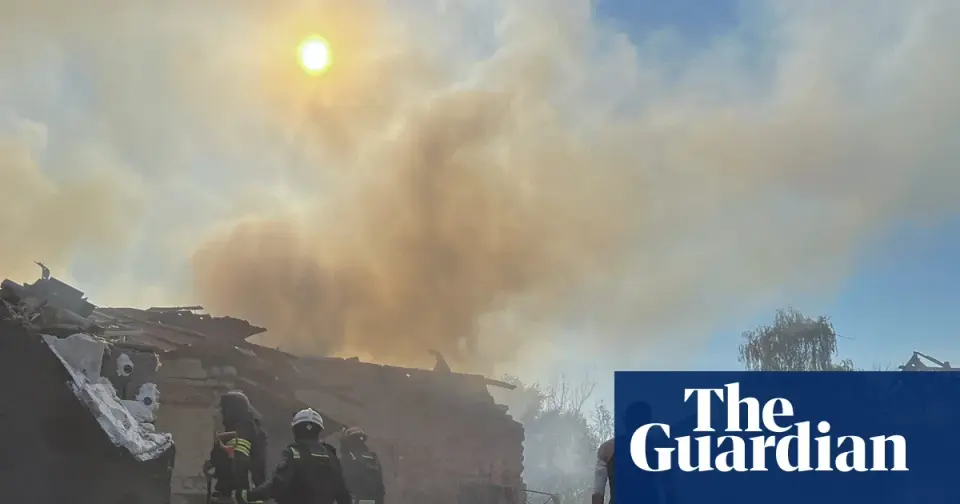
US President Donald Trump announced an immediate 'energy ceasefire' between Russia and Ukraine on October 11, 2026, via Truth Social, claiming both parties agreed. Ukrainian President Volodymyr Zelenskyy stated he was unaware of the deal, calling it 'news to me,' and refused to halt Ukrainian strikes on Russian refineries without reciprocal Russian concessions. The announcement followed a controversial US decision to lift sanctions on Russian diesel exports, which Zelenskyy condemned as funding the war. Despite the declaration, Russian forces continued aerial attacks on Ukrainian energy infrastructure, including a strike on a power plant in Kharkiv, effectively collapsing the ceasefire within hours. The incident has triggered the most severe diplomatic rift between Washington and Kyiv since 2025, with the US threatening to cut off intelligence sharing and weapon procurement.
Key points
- Trump declared an 'energy ceasefire' effective immediately on Truth Social, asserting that both Russia and Ukraine had agreed to stop long-range attacks on energy infrastructure.
- Zelenskyy stated he was not consulted and would only accept the ceasefire if Putin reciprocated, demanding 'real guarantees' and punitive measures against Moscow from allies.
- The dispute escalated after the US lifted sanctions on Russian diesel exports on Friday, a move Zelenskyy called 'weak' and a source of billions in revenue for Putin.
- Russian forces continued strikes on Sunday, hitting thermal power station No. 5 in Kharkiv and other energy facilities, contradicting the ceasefire claim.
- The US threatened to suspend the NATO procurement system for Ukrainian weapons and cut intelligence sharing if Kyiv continued striking Russian refineries.
- Zelenskyy rejected Trump’s demand for a 'new leader,' stating that only Ukrainians can choose their president, and proposed a 60-day total ceasefire as a precondition for elections.
Background
This crisis follows a series of escalating tensions in late 2026. In September, Zelenskyy questioned the viability of previous ceasefire claims, demanding verifiable, long-term agreements rather than short-term political arrangements. The current dispute is the most serious US-Ukraine rift since 2025, when Trump publicly berated Zelenskyy. Recent weeks have seen Ukraine strike Russian oil complexes and data centers, which Kyiv argues are essential to disrupting the Russian war machine, while Moscow has intensified its bombing campaign against Ukrainian civilian and energy infrastructure.
How outlets are covering it
The Guardian and CNN emphasize the unilateral nature of Trump’s announcement and the immediate rejection by Zelenskyy, highlighting the diplomatic breakdown. The Guardian notes that the US is offering economic incentives to Moscow, including releasing frozen assets, to secure a ceasefire. Axios provides a 'reality check,' pointing out the asymmetry in the proposed deal: Ukraine has only one oil refinery, while Russia has a vast network, making a 'refinery for refinery' trade lopsided. Axios also reports that White House officials believe Ukraine’s strikes are damaging its relationship with Trump more than they are damaging Russia. The Telegraph source was inaccessible due to a security block, so no perspective could be extracted. All sources agree that Russian strikes continued immediately after the announcement, undermining the ceasefire’s credibility.
Why it matters
The collapse of the energy ceasefire signals a potential shift in US foreign policy, prioritizing domestic fuel prices and economic deals with Russia over the security of Ukraine. The threat to cut off intelligence and weapon procurement could 'blind' Ukraine’s air defense systems, potentially leading to more civilian casualties. This crisis also highlights the deepening rift between the US and its European allies, who have condemned the diesel deal and reaffirmed support for Ukraine. The situation may embolden Russia to continue its aerial campaign, as it faces no immediate consequences for violating the declared ceasefire.
What to watch
Zelenskyy has called for details from the US on the ceasefire terms and is seeking support from allies like Canada, Poland, and the EU. The US envoys Steve Witkoff and Jared Kushner have paused their trip to Moscow pending clarity on a unified proposal. If the US proceeds with cutting intelligence sharing or weapon procurement, Ukraine’s ability to defend against Russian strikes may be severely compromised. The outcome of this diplomatic crisis will determine whether the US continues to support Ukraine’s defense or pivots toward a transactional relationship with Russia.
- Trump announces partial ceasefire in Ukraine war as Zelenskyy says deal is ‘news to me’ The Guardian
- Trump bears down on Zelensky as Russia keeps up attacks on Ukraine Axios
- Trump claims Ukraine and Russia have agreed to energy ceasefire CNN
- Backlash grows against Russia diesel deal as Trump claims Ukraine energy ceasefire The Hill
- Trump’s fantasy ceasefire tricks no one The Telegraph
Want the full story? Read the original reporting
Read on The Guardian