
US Conducts Quiet Defensive Strikes on Qeshm Island Amid Midterm Tensions
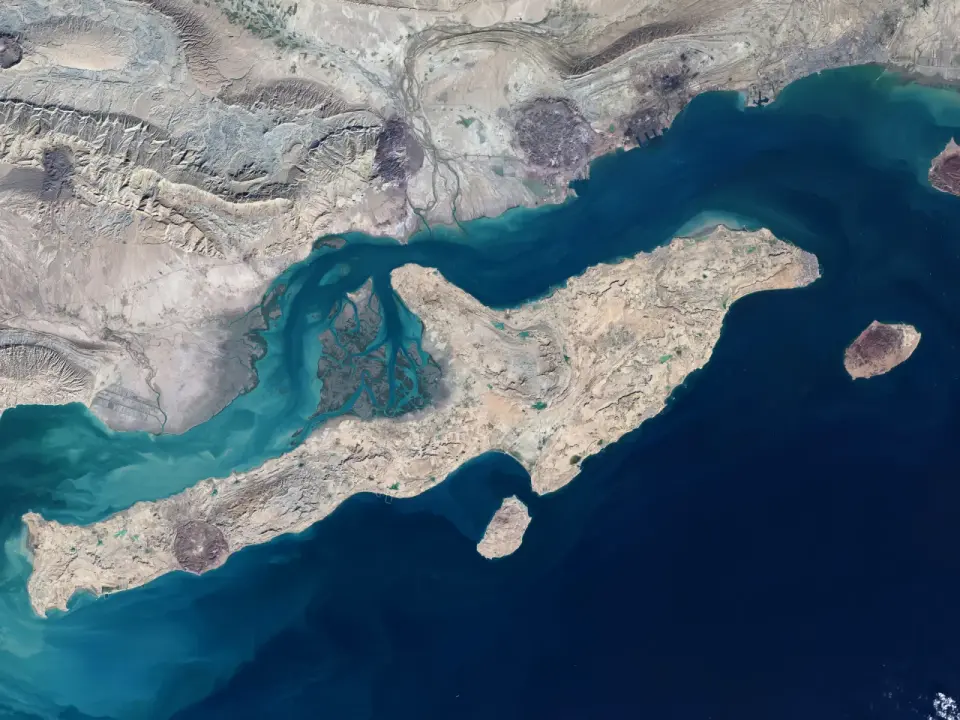
US military forces executed limited defensive strikes against Iranian targets on Qeshm Island and near Bandar Lengeh on November 3, 2026. Officials described the actions as defensive measures to neutralize surface-to-air missile threats against US assets in the Strait of Hormuz. The operations were deliberately kept low-profile to avoid signaling a return to major combat operations. These strikes occurred simultaneously with optimistic diplomatic statements from US Vice President JD Vance regarding a potential negotiated settlement with Tehran, just days before US midterm elections.
Key points
- Explosions were reported on Qeshm Island and in the port city of Bandar Lengeh late on Monday, November 3, according to Iranian state media.
- The Wall Street Journal and Associated Press confirmed US military involvement, characterizing the strikes as defensive actions aimed at restricting Iran's ability to attack commercial shipping.
- Fox News and Axios reported the strikes were a direct response to Iranian Islamic Revolutionary Guard Corps (IRGC) firing at a US aircraft in the Strait of Hormuz earlier that day.
- US officials stated the campaign was kept quiet to prevent signaling an escalation into major combat operations, particularly ahead of Tuesday's midterm elections.
- Vice President JD Vance expressed optimism about reaching a negotiated settlement, while President Donald Trump maintained that military options remain available if diplomacy fails.
Background
Recent weeks have seen intensifying diplomatic efforts to prevent renewed US and Israeli attacks on Iran, with talks held in Qatar. Previous coverage indicated that US and Israeli leaders had delayed major strikes until after their respective elections due to political pressures. The current strikes follow a period where Iran's oil revenues collapsed under a naval blockade, and where costs of the conflict had ballooned to $47 billion. Earlier in the week, the IRGC claimed to have captured US drones using electronic warfare systems, setting the stage for the current escalation.
How outlets are covering it
The Wall Street Journal and Associated Press emphasized the defensive nature of the strikes, focusing on the neutralization of surface-to-air missiles and the deliberate low-profile approach to avoid escalation. In contrast, Fox News and Axios highlighted the retaliatory aspect, linking the strikes directly to the IRGC's firing at a US aircraft. While US officials like Vance and Trump expressed optimism about diplomatic resolutions, Israeli Prime Minister Benjamin Netanyahu was reported by the Associated Press to be pressing for a new wave of strikes after the midterm elections, indicating a divergence in strategic goals between Washington and Jerusalem.
Why it matters
The strikes represent a critical flashpoint in the US-Iran conflict, occurring just before US midterm elections where control of Congress is at stake. The simultaneous occurrence of military action and diplomatic optimism highlights the complex balancing act Washington is attempting to maintain. The location of the strikes, near the Strait of Hormuz, underscores the strategic importance of the waterway for global oil supplies, with oil prices fluctuating in response to the shifting narrative between war and peace.
What to watch
The immediate focus will be on the outcome of the US midterm elections on November 3, which will determine the political landscape for any further military or diplomatic actions. Diplomatic talks in Qatar are expected to continue, with Iran proposing a plan to reopen the Strait of Hormuz within two days if US conditions are met. The US administration will likely continue to monitor the situation closely, balancing the threat of further Iranian retaliation with the desire to avoid a full-scale war before the election results are finalized.
- Explosions hit Iran’s Qeshm Island as US media report US strikes in Hormuz Al Jazeera
- Exclusive | U.S. Strikes Iran’s Qeshm Island as Trump Talks Down War Risks WSJ
- Iran war live: US carries out ‘defensive’ strikes in Strait of Hormuz Al Jazeera
- Oil edges up after report of US strike on Iran's Qeshm Island Reuters
- U.S. reportedly strikes Iran's Qeshm Island as Vance hopes for ‘negotiated settlement’ with Tehran CNBC
Want the full story? Read the original reporting
Read on Al Jazeera