
US Deploys Third Carrier and 10,000 Troops to Middle East as Iran Talks Collapse
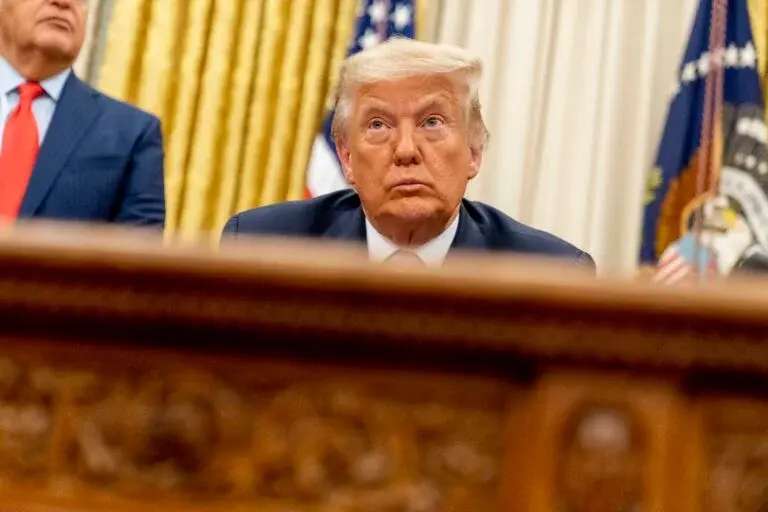
The United States is deploying a third aircraft carrier strike group and approximately 10,000 additional troops to the Middle East, signaling a potential escalation in the ongoing conflict with Iran. The USS Theodore Roosevelt and the USS Makin Island Amphibious Ready Group are en route, with arrival expected by late November. This move follows the collapse of diplomatic talks, where Secretary of State Marco Rubio expelled Iranian diplomats from the US. President Trump has indicated he may resume bombing Iran after the November midterm elections, citing the need to prevent Iran from acquiring nuclear weapons. Oil prices have surged in response, with Brent crude rising over 4% to $102.31 per barrel, amid fears of further regional instability and supply disruptions.
Key points
- The USS Theodore Roosevelt carrier strike group and the USS Makin Island Amphibious Ready Group, carrying the 13th Marine Expeditionary Unit, are being deployed to the Middle East.
- The deployment adds approximately 10,000 sailors and Marines to the region, bringing the total US naval presence to over 20,000 personnel.
- Secretary of State Marco Rubio expelled Iranian diplomats from the US, marking a significant diplomatic breakdown following failed negotiations at the UN General Assembly.
- President Trump has stated he expects to resume bombing Iran after the November midterm elections, though he has not confirmed a specific timeline.
- Oil prices have risen sharply, with Brent crude jumping 4.4% to $102.31 per barrel, driven by fears of escalation and supply disruptions in the Strait of Hormuz.
- The US has intensified economic pressure on Iran, with Treasury Secretary Scott Bessent announcing that Iran loaded zero crude oil onto tankers in September under 'Operation Economic Outcast'.
Background
This deployment follows a fragile ceasefire that collapsed after fighting began on February 28, 2026. The US had previously deployed two carriers to the region, and this move marks the first time three carriers have been present since April 2026. The conflict has been ongoing for seven months, with sporadic fighting and diplomatic efforts stalling. The US has also intensified economic sanctions, targeting Iranian industrial sectors and shadow banking networks.
How outlets are covering it
Mediaite and Fox News emphasize the military buildup and Trump's rhetoric about 'annihilating' Iran, highlighting the potential for escalation. CNBC focuses on the economic impact, noting the surge in oil prices and the fragility of crude flows from the Middle East. The Guardian provides a broader context, noting the unusually high naval presence and the potential for three carriers in the region by late October. All sources agree on the deployment details but differ in emphasis, with some focusing on the diplomatic breakdown and others on the economic and military implications.
Why it matters
The deployment signals a potential escalation in the US-Iran conflict, which could have significant implications for global oil markets and regional stability. The collapse of diplomatic talks and the expulsion of Iranian diplomats suggest that negotiations are unlikely to resume in the near term. The timing of the deployment, ahead of the US midterm elections, raises questions about the political motivations behind the escalation and the potential impact on Republican chances in November.
What to watch
The USS Theodore Roosevelt and the USS Makin Island Amphibious Ready Group are expected to arrive in the Middle East by late November. President Trump has indicated he may resume bombing Iran after the November midterm elections, though he has not confirmed a specific timeline. The US may also continue to intensify economic pressure on Iran, with further sanctions and restrictions on oil exports. The situation remains fluid, with the potential for further escalation or a return to negotiations.
- Trump Sending 10,000 More Troops, Another Aircraft Carrier Toward Iran Mediaite
- Brent oil jumps more than 4% as U.S. reportedly sends third aircraft carrier to Middle East CNBC
- US sends third aircraft carrier to Middle East as Trump weighs new Iran strikes The Guardian
- US deploys thousands more troops, Marines to Middle East as oil prices surge Fox News
- Iran war live: US moves 2,000 Marines to Middle East, tanker hit in Hormuz Al Jazeera
Want the full story? Read the original reporting
Read on Mediaite