
US Pulls Diplomats from Gulf as Intel Memo Warns of Advanced Iranian Plots
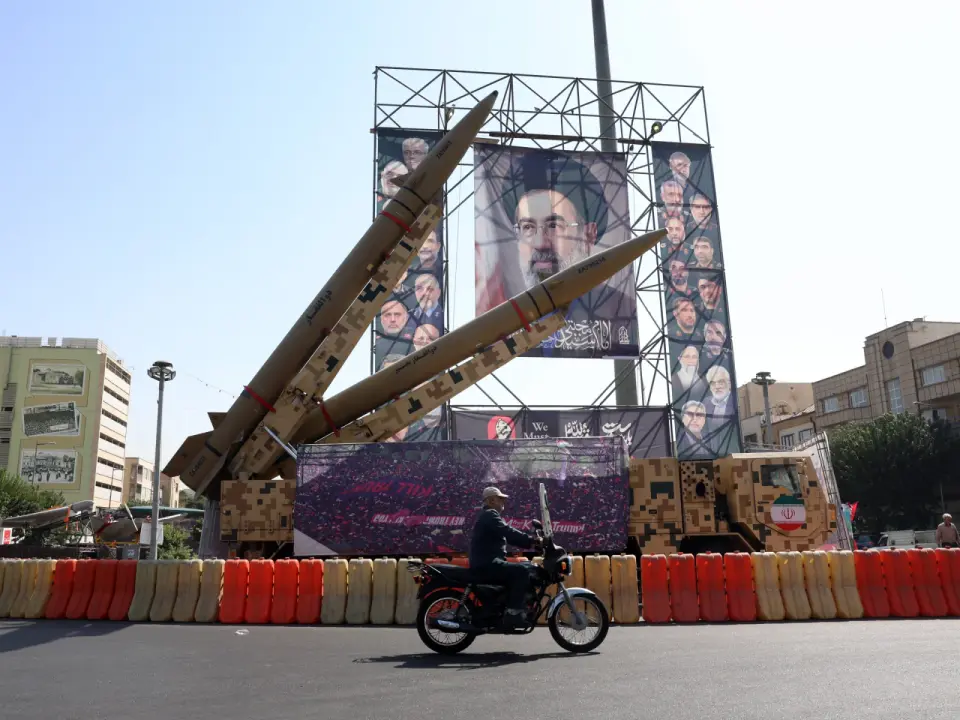
US intelligence agencies have warned that Iran has substantially increased efforts to target American personnel abroad, with lethal plots reaching 'advanced stages' in the Middle East and other regions. In response, the US State Department is withdrawing non-essential staff from embassies in Saudi Arabia, the UAE, Bahrain, Kuwait, Qatar, Jordan, and Lebanon. This security tightening occurs as the US and Israel consider a new military campaign against Iran following the upcoming midterm elections, while Iran-backed Houthis continue attacks on Saudi infrastructure.
Key points
- Director of National Intelligence Jay Clayton sent an unclassified memo to Secretary of State Marco Rubio on October 23, stating that Iranian plots to kill US citizens have reached advanced stages.
- The US is reducing its diplomatic footprint in the Middle East, ordering non-essential staff and families to leave Saudi Arabia and restricting operations at embassies in the UAE, Bahrain, Kuwait, Qatar, Jordan, and Lebanon.
- The threat assessment is driven by both Iranian plots and escalating Houthi attacks on Saudi infrastructure, including a strike on Riyadh’s King Khalid Airport that killed at least a dozen people, including a US citizen.
- President Trump has signaled the possibility of a new military operation against Iran, codenamed 'Epic Fury,' potentially after the midterm elections, while Iran’s IRGC has warned of a shift to an 'offensive' strategy and plans to target undersea communications cables.
- The US intelligence community is working to downgrade sensitive intelligence to share it more broadly with State Department personnel, as the current threat level is described as the highest since the US-Israel war on Iran began in February.
Background
This escalation follows a period of heightened tensions in the Middle East, including Houthi strikes on Saudi Arabia in September and a rare US 'red alert' for 12 Middle Eastern countries in October. Previous incidents, such as the 2026 conviction of a Pakistani national for plotting to assassinate President Trump on Iran’s orders, underscore long-standing US concerns about Iranian threats to American personnel.
How outlets are covering it
Axios and The New York Times emphasize the intelligence memo as the primary driver for the diplomatic withdrawals, with NYT citing officials who say the threat level is the highest since the war began. CBS News highlights the dual threat from Iran and the Houthis, noting that the military is also quietly reducing its footprint. USA Today focuses on the broader relocation of diplomats and the State Department’s decision to prioritize safety. Al Jazeera provides a broader context, linking the alert to potential new US-Israeli military campaigns and Iran’s threats to target communications cables in the Gulf. While all sources agree on the heightened threat, they differ in emphasis: some focus on the intelligence memo, others on the Houthi attacks, and others on the potential for renewed military conflict.
Why it matters
The US withdrawal of diplomatic staff and the intelligence warning signal a significant escalation in the US-Iran conflict, potentially leading to a new military campaign. The threat to US personnel abroad and the potential for attacks on critical infrastructure, such as undersea cables, could have global economic and security implications. The situation also highlights the complex interplay between US domestic politics, such as the upcoming midterm elections, and foreign policy decisions.
What to watch
The US is expected to continue reducing its diplomatic and military presence in the Middle East as it assesses the threat environment. The Trump administration is weighing whether to launch a new military operation against Iran after the midterm elections, while Iran has warned of a shift to an 'offensive' strategy. The US intelligence community is working to share more intelligence with State Department personnel to mitigate risks. The situation could escalate further if Iran or the Houthis carry out attacks on US interests or if the US and Israel launch a new military campaign.
- Is Iran planning attacks on Americans; why is the US on alert? Al Jazeera
- Scoop: U.S. intel memo warns of "advanced" Iranian plots to kill officials abroad Axios
- Iran's 'lethal plotting' against Americans abroad ramps up, memo warns USA Today
- Iran has "increased efforts to target U.S. personnel," intel chief warns CBS News
- Iran in ‘Advanced Stages’ of Planning Attacks Against Americans, Officials Say The New York Times
Want the full story? Read the original reporting
Read on Al Jazeera