
FDA Proposes Mandatory Reporting for Food Additives, but Critics Warn It Falls Short of Safety Guarantees
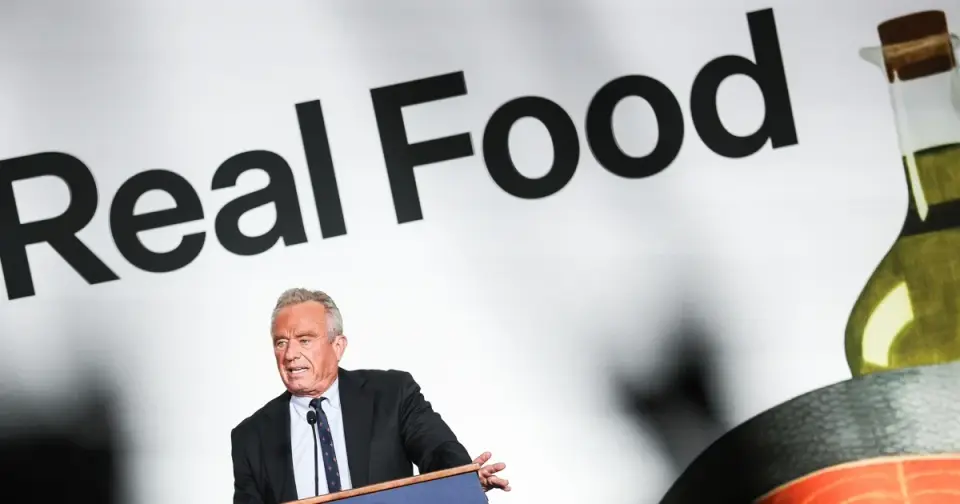
The Trump administration has proposed a rule requiring food manufacturers to notify the FDA when they classify ingredients as 'generally recognized as safe' (GRAS), ending a decades-long voluntary system. While this increases transparency, critics argue it does not prevent the introduction of untested substances or remove existing additives. The move coincides with a major foodborne illness outbreak and ongoing debates over the definition of ultra-processed foods.
Key points
- The proposed rule mandates that companies inform the FDA when they deem an ingredient GRAS, transitioning the system from voluntary to mandatory notification.
- Companies must submit data on existing GRAS ingredients and new ones, but the FDA is not required to approve or reject them before market entry.
- Health Secretary Robert F. Kennedy Jr. announced the plan alongside a pending definition for ultra-processed foods, which remains under review without public disclosure.
- Critics, including public health experts, argue the rule fails to stop new additives from entering the market and lacks a timeline for notification.
- The proposal comes amid a significant cyclospora outbreak and concerns about FDA staffing levels to review the increased volume of submissions.
Background
The GRAS system, established in the 1950s, was designed to streamline the approval of common ingredients like paprika and garlic. Over time, it became a primary pathway for introducing thousands of unstudied chemicals into the food supply without public disclosure. Previous coverage noted that the FDA would conduct initial 45-day and substantive 180-day reviews, but companies could continue using substances during this period. This latest proposal builds on earlier efforts to tighten oversight, though it stops short of the premarket approval system some advocates demand.
How outlets are covering it
NBC News and The New York Times highlight that while the rule is a 'first step,' it does not prevent companies from self-affirming the safety of ingredients or remove existing additives. Alyssa Moran of the University of Pennsylvania criticized the lack of a notification timeline. CNBC notes that the move aims to give the FDA greater visibility but does not create a premarket approval system, raising questions about the agency's capacity to vet all submissions. The Guardian emphasizes that the administration has delayed defining 'ultra-processed foods,' a key part of the 'Make America Healthy Again' agenda. Industry groups like the Consumer Brands Association warn that broad definitions could disrupt the food supply, while legal experts question the FDA's authority to mandate such notifications.
Why it matters
This proposal could significantly alter how food additives are regulated in the US, potentially increasing transparency but not necessarily improving safety outcomes. The timing, amidst a major foodborne illness outbreak, underscores the urgency of food safety reforms. However, the lack of a clear definition for ultra-processed foods and the continued reliance on company self-assessment for safety may limit the rule's effectiveness in protecting public health.
What to watch
The proposed rule is subject to public comment and the federal rulemaking process before it can take effect. The FDA is expected to publish new guidance on biological hazards in ready-to-eat fresh-cut produce soon. The definition for ultra-processed foods remains under final review, with no timeline for public release. Industry and public health groups will likely continue to debate the adequacy of the proposed changes.
- RFK Jr. proposes fix to loophole that allows additives into food. Critics say it doesn’t go far enough. NBC News
- F.D.A. Moves Toward Tighter Restrictions on Food Ingredients The New York Times
- HHS moves to tighten oversight of food ingredients as safety concerns mount CNBC
- FDA proposes new food ingredient rule but skips defining ‘ultra-processed’ The Guardian
- FDA seeks to close decadeslong loophole for food additives CNN
Want the full story? Read the original reporting
Read on NBC News