
American Cancer Society mandates biennial PSA testing for men 50-69, reversing 2010 stance
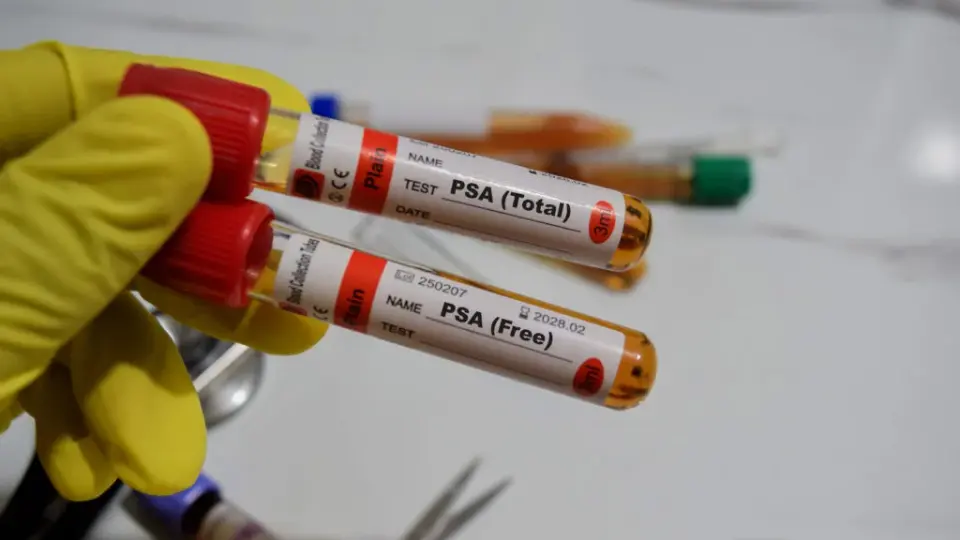
The American Cancer Society has updated its prostate cancer guidelines, recommending biennial PSA blood tests for average-risk men aged 50-69 and annual testing starting at 45 for high-risk groups, including Black men. This shift replaces the previous 2010 advice of shared decision-making, citing new evidence that screening reduces mortality. The guidelines include safeguards to minimize overdiagnosis, such as requiring repeat tests and MRI scans before biopsies, and emphasize active surveillance for low-risk cancers. While the ACS aims to reduce disparities and late-stage diagnoses, some experts warn that the new mandate may lead to unnecessary testing and treatment-related harms.
Key points
- The American Cancer Society (ACS) now recommends PSA-based screening every two years for average-risk men aged 50-69.
- High-risk groups, including Black men and those with a strong family history, should undergo annual PSA testing starting at age 45.
- The previous 2010 guidelines left screening decisions to shared decision-making between patients and physicians.
- The update is based on new evidence showing that PSA screening reduces prostate cancer-specific mortality and advanced-stage diagnoses.
- To limit overdiagnosis, the guidelines require repeat PSA tests and MRI or biomarker testing before proceeding to a biopsy.
- Active surveillance is recommended as the initial management strategy for low-risk prostate cancers.
Background
The ACS last updated its prostate cancer screening guidelines in 2010, when it dropped routine PSA screening recommendations due to concerns about overdiagnosis and overtreatment. Since then, evidence has emerged showing that screening can reduce mortality, and advances in diagnostic tools like MRI and active surveillance have helped mitigate harms. The new guidelines reflect this evolving evidence and aim to address disparities in prostate cancer outcomes, particularly for Black men.
How outlets are covering it
The ACS and its supporters, such as Dr. Robert Smith and patient advocate Eddie Baynes, argue that the new guidelines are a balanced approach that saves lives and reduces disparities. They emphasize the importance of early detection and the availability of tools to minimize unnecessary treatments. However, critics like Dr. Alex Krist and Dr. Philipp Dahm worry that the mandate may lead to routine screening without nuanced discussions, resulting in overdiagnosis and overtreatment. The U.S. Preventive Services Task Force has not yet updated its guidelines, which still recommend against routine screening, citing concerns about the harms of overdiagnosis. Ars Technica notes that the USPSTF has recently been overhauled, which may affect its future recommendations.
Why it matters
Prostate cancer is the second leading cause of cancer death in U.S. men, with an estimated 333,830 diagnoses and 36,320 deaths in 2026. The new guidelines aim to reduce late-stage diagnoses and mortality, particularly among high-risk groups. By mandating regular screening, the ACS hopes to address disparities and improve outcomes, but the potential for overdiagnosis and overtreatment remains a concern. The update also highlights the importance of active surveillance and advanced diagnostic tools in managing prostate cancer effectively.
What to watch
The U.S. Preventive Services Task Force has announced an upcoming update to its prostate cancer screening guidelines, which could influence insurance coverage and clinical practices. The ACS plans to continue monitoring the evidence base and updating its guidelines as new strategies emerge. Researchers will also evaluate the effectiveness of different biomarkers to improve the accuracy of prostate cancer detection.
- American Cancer Society revises guidelines, urges routine PSA screening for prostate cancer STAT
- What to Know About New Prostate Cancer Screening Recommendations The New York Times
- What new prostate cancer recommendations say about who should get blood tests The Washington Post
- American Cancer Society Updates Prostate Cancer Screening Guideline: Major Changes Include Regular PSA Testing for Average and High-Risk Men American Cancer Society Press Room
- In reversal, American Cancer Society urges prostate cancer tests for all men Ars Technica
Want the full story? Read the original reporting
Read on STAT