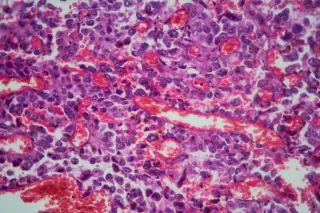
Washington, D.C. has the highest per-capita prostate cancer death rate in the U.S. at 27.5 per 100,000, driven by high-risk demographics and delayed detection. Experts emphasize that early screening via blood tests can significantly improve outcomes, as the disease is highly treatable when caught early.
A University of Miami study found alcohol-attributable cancer deaths in the United States nearly doubled from 11,361 in 1990 to 23,126 in 2023, with higher risk among men and people aged 55+. The research underscores alcohol's carcinogenic role by damaging DNA and increasing risks for liver, esophageal and colorectal cancers, highlighting ongoing concerns about alcohol’s health impact and potential policy implications.
New CDC data (2023) show 32% of women ages 21–29 and about 15% of women ages 30–65 had never been screened for cervical cancer, up from 2005, with sizable disparities by race, education, and insurance; screening can detect precancerous changes and HPV vaccination complements but does not replace screening; guidelines now allow Pap tests, HPV testing, or both at different intervals, with newer options like self-collection to improve access; rising late-stage cancer rates after 2017 highlight the preventive gap.
Despite progress in treatment and falling cancer deaths, cancers are increasingly diagnosed late in younger adults, and men are more often diagnosed at advanced stages across several cancer types. Screening helps but isn’t foolproof, so experts advocate personalized risk assessment, pursuing earlier or alternative screenings where appropriate (including colonoscopy), and adopting lifestyle changes to reduce risk while staying vigilant for symptoms.
A JAMA Surgery study of over 2.7 million non-metastatic cancer patients shows US wait times for six cancer surgeries (breast, colon, lung, pancreatic, gastric, esophageal) increased from 2012–2015 to 2022–2023, reaching a 10-year high (e.g., breast 34→45 days; colon 20→31; lung 41→53; pancreatic 23→32; gastric 35→49; esophageal 38→48). Proportions with 30+ and 60+ day waits grew across all cancer types as care centers consolidated into high-volume facilities. While centralization can improve outcomes, delays may arise and disproportionately affect uninsured/Medicaid, Black patients, lower-income groups, and those farther from treatment centers. Authors suggest expanding capacity and refining referrals to balance efficiency with benefits, especially for straightforward cases where delays offer little clinical gain.
Despite medical advances, women’s health has long been sidelined. Perimenopause is used to show how societal norms, historical bias in medicine, and cultural skepticism shape care for women. The piece argues progress requires better research focused on women, trusted medical information, and equal agency in healthcare decisions.
A World Health Organization report projects global cancer cases to rise substantially by 2050, with lower-income countries hit hardest. Despite progress in cancer surveillance and treatment, inequities in global health care and risk factors such as obesity are driving more cases and deaths, making many cancers preventable through prevention and equitable care.
CDC provisional data show the US death rate fell to a record low in 2025 (689.2 per 100,000), with life expectancy likely reaching a new high after hitting 79 years in 2024. The turnaround is driven largely by a sharp decline in overdose deaths (about 70,000 in 2025, down from 114,000 in 2023), plus declines in homicides and Covid deaths, and broad gains in heart disease and cancer mortality. GLP-1 obesity drugs could push life expectancy even higher, but the US still trails peer nations by about 3–4 years and features wide state- and income-related disparities.
Provisional CDC data show U.S. death rates fell to about 689 per 100,000 in 2025—the lowest in more than a century—likely signaling a new record high for life expectancy, though figures are provisional. Heart disease and cancer remain top killers, overdose deaths still high but down, and disparities by age and race persist, with policy factors shaping the trends.
U.S. cancer deaths have fallen about 35% over 35 years, saving roughly 5 million lives thanks to improved screening and treatments, but mortality remains higher for African American and American Indian/Alaska Native communities across several cancers. Colorectal cancer has been reduced largely through screening like colonoscopy, yet non-white groups still have lower screening rates; disparities also extend to cervical cancer and access-to-care barriers persist, though patient navigators are helping some patients navigate treatment.
A cross‑country study of 66,000 people finds that lower socioeconomic status and racial marginalization are tied to faster biological aging, as measured by newer epigenetic clocks that track health and mortality risk; the strongest effects appear with the latest clocks, and children in poorer conditions also show accelerated aging, highlighting how poverty and discrimination shape aging and could guide targeted health interventions—though pediatric clock estimates are less certain due to developmental factors.
CDC data indicate US infant mortality fell to a record low in 2025, but the rate still trails many peer nations and persistent disparities remain across racial and geographic groups.
Black churches are partnering with researchers to combat dementia stigma and address disparities in diagnosis and care within Black communities. At the Alter Dementia Summit, faith leaders and scientists mix worship with science to educate about brain health, support caregivers, and encourage Black participants in clinical trials to diversify research and improve access to treatment.
One in five U.S. adults aged 20–64 have at least one untreated cavity, driven in part by cost barriers and dental fears; experts urge regular dental visits for early detection, while daily habits like brushing, flossing, and staying hydrated can help protect teeth and gums.
A review of 44 studies finds Black women have higher oxidative stress, inflammation, and uteroplacental vascular resistance during pregnancy, likely driven by socioenvironmental stressors such as systemic racism and deprivation rather than genetics, which may contribute to worse outcomes and higher maternal mortality in the UK. The researchers call for addressing root causes and increasing maternity-care investment.