
Early 2026 Flu Season Drives Record Hospitalizations and 2,100 Deaths as CDC Warns of Rising H1N1 Strain
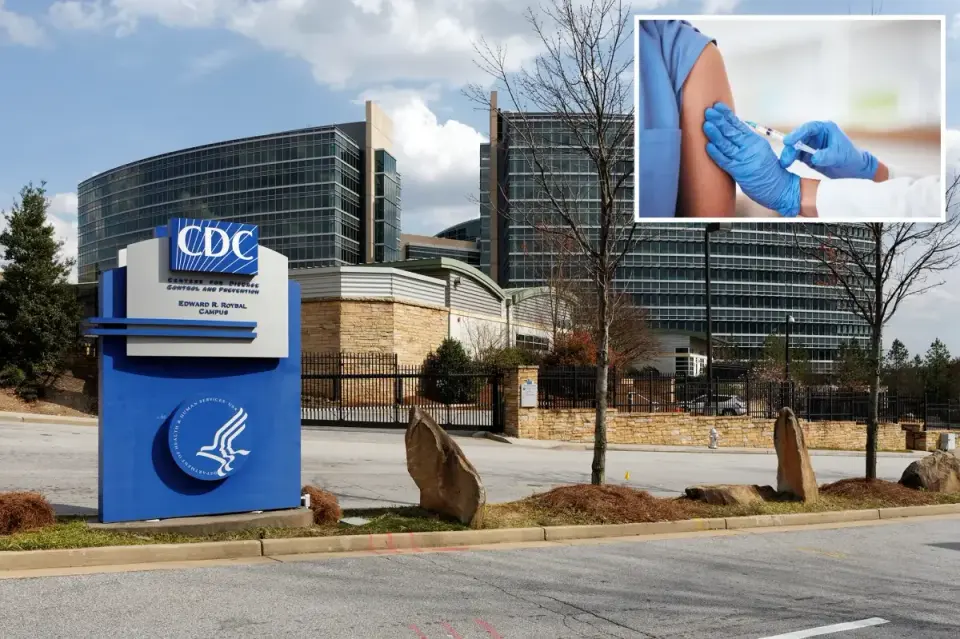
The 2026-27 flu season is starting significantly earlier than usual, with the CDC reporting high activity in six states and 2.6 million illnesses so far. Influenza A(H1N1)pdm09 is the dominant strain, driving a 15-year high in hospitalization rates. Experts urge immediate vaccination, noting that while the virus has mutated, current vaccines remain effective. Thanksgiving travel is expected to accelerate spread.
Key points
- CDC reports 11% of clinical lab specimens tested positive for flu in the week ending Nov. 7, with activity higher than typical for this time of year.
- Six states (California, Tennessee, Oregon, South Carolina, Texas, Louisiana) are in the high or very high category for influenza-like illness; Louisiana is the only state in the 'very high' category.
- CDC estimates 2.6 million illnesses, 36,000 hospitalizations, and 2,100 deaths tied to flu so far this season, including five child deaths.
- Influenza A(H1N1)pdm09 is the most frequently reported virus, a descendant of the 2009 swine flu strain with a slight mutation that may increase transmissibility.
- Vaccination rates for children and adults have dropped to 15-year lows (50.2% and 41.9%, respectively), contributing to the early surge.
- Experts warn that Thanksgiving travel (82 million people expected to travel >50 miles) will likely accelerate spread, with peak activity expected after the holiday.
Background
Our archive from Nov. 14 and Nov. 17 noted that high activity was already present in seven states, with hospitalization rates hitting a 15-year high in mid-October. The current CDC update confirms the continued early surge, with Louisiana remaining the most affected state. The 2026-27 season is tracking significantly earlier than the 2024-25 season, which saw a late December surge.
How outlets are covering it
Fox News and the New York Post emphasize the CDC’s warning that activity is 'higher than typically observed' and highlight the 2,100 deaths and 36,000 hospitalizations. NPR focuses on the practical advice for travelers, noting that the vaccine takes 10 days to reach full efficacy, leaving time for pre-Thanksgiving protection. CBS News provides a regional perspective from Minnesota, where 166 hospitalizations have been recorded so far (vs. 10 at the same point last year), and notes that this year’s activity is concentrated in older age groups rather than children. All sources agree that vaccination is the primary mitigation strategy, despite lower vaccination rates and a mutated H1N1 strain.
Why it matters
The early surge puts pressure on healthcare systems before the traditional winter peak. With Thanksgiving travel expected to accelerate spread, the CDC and experts are urging immediate vaccination to prevent a more severe seasonal peak. The drop in vaccination rates to 15-year lows increases the risk of severe complications, particularly for seniors and those with underlying conditions.
What to watch
CDC expects activity to rise in the next month or two, with peak hospitalizations likely occurring after Thanksgiving. Health officials will continue to monitor the H1N1 strain’s mutation and vaccination uptake. Antiviral prescriptions are recommended for high-risk individuals, with early treatment emphasized to reduce complications.
- Flu activity rises to high levels across 6 US states: CDC says New York Post
- Flu activity rises across US as 6 states reach high levels, CDC data shows Fox News
- More people are getting the flu. Should you get a flu shot before you travel? NPR
- Flu season off to an early start in Philadelphia region with more cases and more severe symptoms WHYY
- Why is the flu season ramping up early? CBS News
Want the full story? Read the original reporting
Read on New York Post