
Purdue-led expedition confirms Nikumaroro 'plane' is washed-up trees, not Earhart wreckage
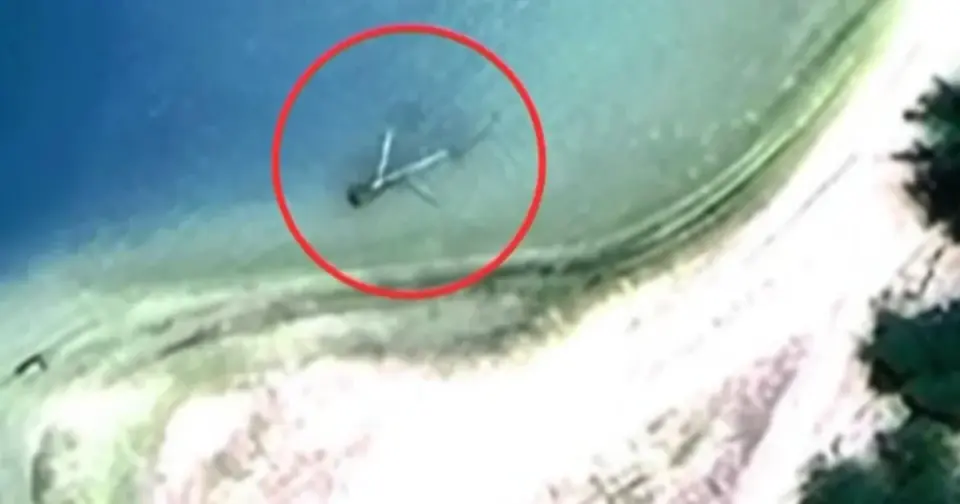
A 17-person team from Purdue University and the Archaeological Legacy Institute concluded that the 'Taraia Object' on Nikumaroro Island is a cluster of trees, not Amelia Earhart's plane. The expedition, which faced severe weather and logistical hurdles, found no conclusive evidence of the 1937 aircraft, though researchers maintain the castaway theory remains strong.
Key points
- The expedition confirmed the Taraia Object is a collection of large trees, not metal wreckage.
- Severe weather limited the team's time on-site to two days out of five.
- Researchers found no conclusive evidence linking the object to Earhart's Lockheed Electra 10-E.
- The team used magnetometers and sonar to survey the lagoon but found no aircraft remains.
- Pettigrew stated the castaway hypothesis remains 'very, very strong' despite the negative result.
Background
Amelia Earhart and navigator Fred Noonan disappeared on July 2, 1937, during an attempt to circumnavigate the globe. Nikumaroro Island in Kiribati has been a primary search site for decades, with previous expeditions finding artifacts like a 1930s shoe and glass fragments. This latest search was the 20th major attempt to locate the plane, following a 2024 sonar detection that was later identified as a rock formation.
How outlets are covering it
CBS News and CNN reported that the expedition failed to find the plane, with CNN noting the team found 'no conclusive evidence' of wreckage. The Guardian emphasized the disappointment of the result, quoting Steve Schultz as saying they could not find the 'smoking gun.' All sources agreed that the Taraia Object was likely trees, but Pettigrew maintained that the castaway theory remains strong. CNN highlighted the remote nature of the site and the logistical challenges, while CBS noted the reflective surface was due to a carbonate veneer, not metal.
Why it matters
This result eliminates a major lead in the decades-long search for Earhart's plane, reinforcing the difficulty of solving one of aviation's greatest mysteries. It also highlights the ongoing debate between the castaway theory and the crash-in-the-ocean theory, with no definitive resolution in sight.
What to watch
The team plans to continue searching other areas, and Nauticos is raising funds for a final expedition near Howland Island. Researchers will likely return to Nikumaroro to investigate other leads, but the mystery of Earhart's fate remains unresolved.
- Expedition to find Amelia Earhart's missing plane comes up empty CBS News
- Expedition to a remote Pacific island fails to find fresh clues in hunt for Amelia Earhart’s plane CNN
- Search for wreckage of Amelia Earhart's plane comes up empty Yahoo
- Amelia Earhart researchers leave remote atoll empty-handed after ‘plane debris’ found to be a clump of trees The Guardian
- Search for Amelia Earhart’s plane continues after Taraia Object expedition on Nikumaroro rules out latest hypothesis Purdue University
Want the full story? Read the original reporting
Read on CBS News