
ICJ Rules Myanmar Committed Genocide Against Rohingya in Historic Verdict
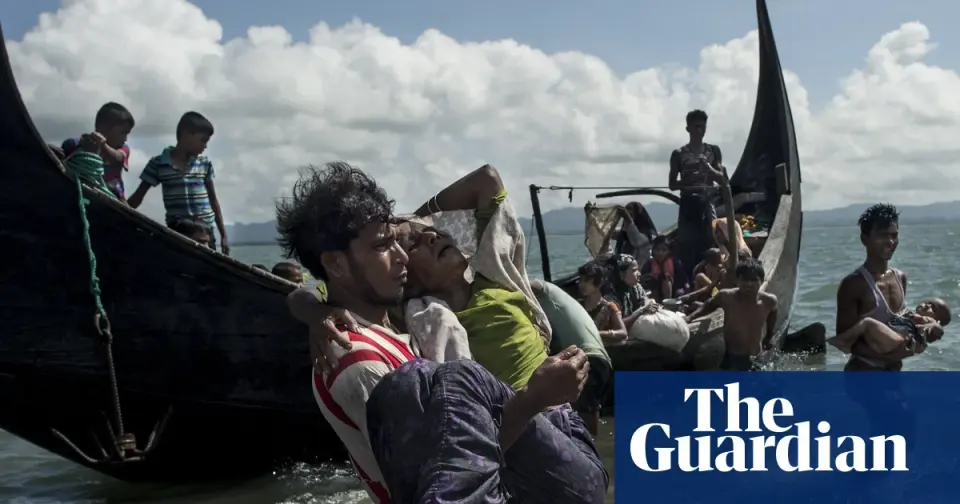
The International Court of Justice (ICJ) has ruled that Myanmar committed genocide against the Rohingya minority during its 2016-2017 military campaign. This is the first time the ICJ has found a state responsible for genocide, marking a historic precedent in international law. The court found that Myanmar’s actions, including mass killings, gang rapes, and village burnings, were intended to destroy a substantial part of the Rohingya population. The ruling orders Myanmar to provide reparations, including facilitating the safe return of refugees, but the court lacks direct enforcement power. The decision is expected to set a precedent for other pending genocide cases, including those involving Israel and Russia.
Key points
- The ICJ ruled that Myanmar committed genocide against the Rohingya minority during its 2016-2017 military campaign.
- This is the first time the ICJ has found a state responsible for genocide, marking a historic precedent in international law.
- The court found that Myanmar’s actions, including mass killings, gang rapes, and village burnings, were intended to destroy a substantial part of the Rohingya population.
- The ruling orders Myanmar to provide reparations, including facilitating the safe return of refugees, but the court lacks direct enforcement power.
- The decision is expected to set a precedent for other pending genocide cases, including those involving Israel and Russia.
Background
The case was brought by The Gambia in 2019 on behalf of Myanmar survivors. The 2016-2017 campaign by Myanmar’s military forced more than 700,000 mostly Muslim Rohingya to flee across the border into Bangladesh, arriving with reports of mass killings of adults and children, gang-rapes and burned-down villages. Nearly a decade later, in a refugee camp in Bangladesh, crowds of Rohingya people watching on outdoor TV screens leaped up in celebration and applause as the final verdict was read out. The ruling is significant as it formally classified the Rohingya as a distinct ethnic group under international law, something they have been denied by Myanmar, which refers to them as Bengalis or foreign migrants.
How outlets are covering it
The Guardian and The New York Times both reported on the historic nature of the ICJ’s ruling, emphasizing that it is the first time the court has found a state responsible for genocide. The Guardian highlighted the emotional response of Rohingya refugees in Bangladesh, who celebrated the verdict, while The New York Times noted the apprehension and uncertainty surrounding the enforcement of the ruling. The Guardian also reported on the potential impact of the ruling on other pending genocide cases, including those involving Israel and Russia, while The New York Times focused on the personal stories of Rohingya survivors and the challenges they face in returning to Myanmar. The Guardian and The New York Times both noted that the ICJ lacks direct enforcement power, but the Guardian emphasized the diplomatic weight of the ruling and its potential to shape international action, including sanctions.
Why it matters
The ICJ’s ruling is a historic precedent in international law, as it is the first time the court has found a state responsible for genocide. The decision is expected to set a precedent for other pending genocide cases, including those involving Israel and Russia, and has drawn attention from the US, which threatened to sanction ICJ judges if the ruling lowered the legal threshold for proving genocidal intent. The ruling also formally classified the Rohingya as a distinct ethnic group under international law, something they have been denied by Myanmar, which refers to them as Bengalis or foreign migrants. The decision is a critical test for dealing with the most serious of all state crimes and has the potential to shape international action, including sanctions and reparations.
What to watch
The ICJ’s ruling is expected to set a precedent for other pending genocide cases, including those involving Israel and Russia. The court has ordered Myanmar to provide reparations, including facilitating the safe return of refugees, but the court lacks direct enforcement power. The ruling is expected to shape international action, including sanctions and diplomatic pressure on Myanmar to comply with the court’s orders. The decision is also expected to have a significant impact on the legal and political landscape in Myanmar, where the military has been in power since a 2021 coup. The ruling is a critical test for dealing with the most serious of all state crimes and has the potential to shape international action, including sanctions and reparations.
- Myanmar committed genocide against Rohingya minority, world’s top court rules The Guardian
- Myanmar becomes first state found responsible for genocide by UN court Axios
- In a Rohingya Refugee Camp, Jubilation but Also Apprehension The New York Times
- UN top court rules Myanmar committed genocide against its minority Muslim Rohingya population in 2017 DW.com
- ‘Everyone struggled for this justice’: tears in court as Rohingya vindicated in Myanmar genocide ruling The Guardian
Want the full story? Read the original reporting
Read on The Guardian