
U.S. to Double Canadian Auto Tariffs to 50% After Trade Talks Collapse
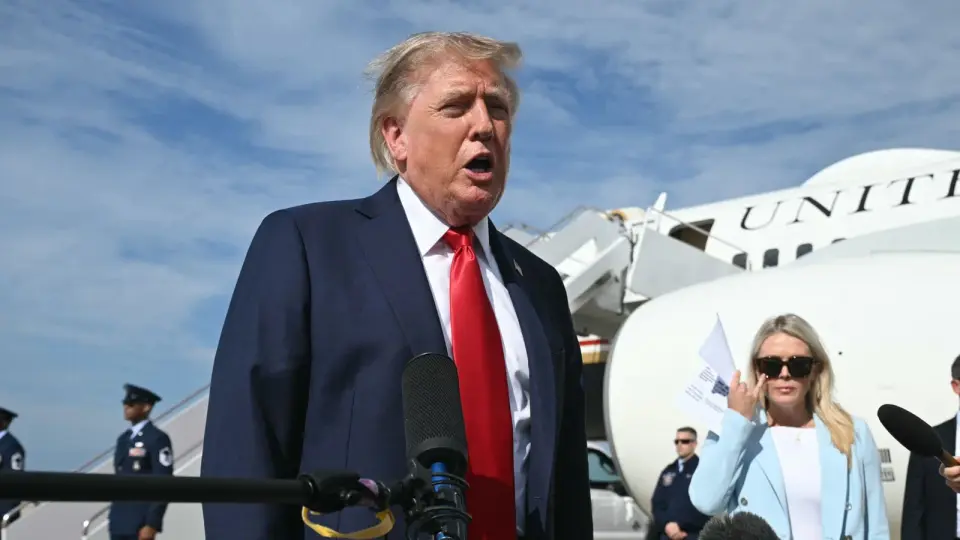
President Donald Trump announced that U.S. tariffs on Canadian cars, trucks, and auto parts will rise from 25% to 50% on January 1, 2027. This escalation follows the collapse of trade negotiations between Washington and Ottawa last week, which had previously aimed to lower duties. The move intensifies an existing trade dispute, with Canada already facing 50% tariffs on approximately $20 billion in goods and threatening reciprocal measures. The shift threatens the integrated North American auto supply chain and the future of the USMCA agreement.
Key points
- Trump declared via Truth Social that tariffs on Canadian vehicles and parts will double to 50% starting January 1, 2027.
- The announcement follows the breakdown of trade talks last week, where Canada sought to reduce existing 25% auto tariffs.
- U.S. Trade Representative Jamieson Greer attributed the collapse to Canadian demands for lower heavy truck tariffs, while Canada cited internal U.S. disagreements.
- Canada has already imposed 50% tariffs on $20 billion of U.S. goods and Prime Minister Mark Carney vowed to match new U.S. duties dollar-for-dollar.
- The new tariffs threaten the integrated supply chain, where parts cross borders multiple times, and could further undermine the USMCA trade pact.
Background
Recent weeks saw intense negotiations between the U.S. and Canada to avert 50% tariffs on various goods, including wine and cement. Previous reports indicated the two sides were close to an agreement that might have lowered auto tariffs to 15% and potentially revived the Keystone XL pipeline. However, these talks collapsed in the final hours due to conflicting last-minute demands, leading to the current escalation.
How outlets are covering it
Outlets differ on the cause of the deal's collapse. CNBC and NBC News highlight the immediate tariff escalation and the breakdown in negotiations, noting that both sides blamed each other for unreasonable last-minute changes. Politico provides a deeper analysis, suggesting the deal buckled under a combination of Canadian demands for lower heavy truck tariffs and internal turf wars within the Trump administration. While NBC News emphasizes the 'economic war' rhetoric from Canadian leaders like Ontario Premier Doug Ford, CNBC focuses on the market impact, noting that only 5.4% of Canadian-produced vehicles are sold in the U.S., though the supply chain integration remains critical.
Why it matters
The doubling of auto tariffs to 50% will significantly disrupt the North American automotive industry, which relies on cross-border supply chains. It risks raising consumer prices and could lead to a prolonged trade war, as Canada has threatened to cut off electricity and critical mineral exports. This move also casts a shadow over the USMCA agreement, which the Trump administration has already indicated it will not renew in its current form.
What to watch
The 50% tariffs on Canadian autos are set to take effect on January 1, 2027. Canada is expected to implement retaliatory tariffs, potentially including restrictions on critical minerals and electricity. The future of the USMCA remains uncertain, with annual reviews already underway. Market volatility is likely to continue as both nations navigate the new trade landscape.
- Trump says U.S. will hike Canada auto tariffs to 50% as trade war escalates CNBC
- Opinion | Mark Carney Did What Canadians Elected Him to Do The New York Times
- Trump hits back at Carney, threatens to hike auto, truck, metals tariffs to 50% NBC News
- Canada tariffs, Bessent's buyback funding, Scott Kirby's plans for United and more in Morning Squawk CNBC
- Inside the 72 hours that cratered the US-Canada trade deal Politico
Want the full story? Read the original reporting
Read on CNBC