
Gaza Disarmament Deal Stalls on Sequencing Dispute
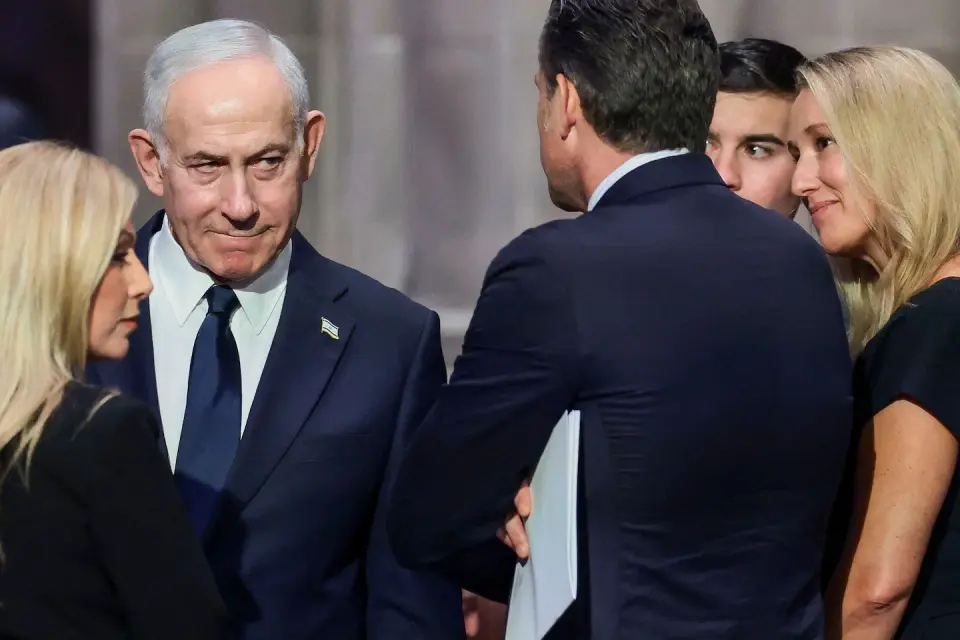
A 15-point plan brokered by the US Board of Peace requires Hamas to disarm and Israel to withdraw from Gaza, but the sides disagree on which action must occur first. Israel demands full demilitarization before any troop pullback, while Hamas insists on an immediate end to hostilities. Analysts warn that this sequencing gap, combined with Israeli domestic politics, threatens the implementation of the agreement.
Key points
- The US Board of Peace released a 15-point plan requiring 14 days to agree on the timetable for Hamas disarmament and Israeli withdrawal.
- Israel insists on complete disarmament as a prerequisite for withdrawal, while Hamas demands an end to military operations first.
- Surrendered weapons are to be held by the National Committee for the Administration of Gaza, a technocratic body, rather than Israel.
- Israeli Prime Minister Benjamin Netanyahu has remained silent on the deal, with officials citing concerns over Hamas's reliability.
- The agreement follows a ceasefire in October 2025, but Israel has expanded its control to approximately 70% of the Gaza Strip.
Background
The current dispute follows a broader peace framework that includes an international stabilization force and a technocratic Palestinian government. Previous negotiations stalled in October 2025 when both sides accused each other of violating ceasefire terms. The conflict originated from the October 7, 2023 attack, leading to a war that has killed over 73,000 people in Gaza, according to local health authorities.
How outlets are covering it
The Washington Post highlights a fundamental gap between Israel and Hamas regarding the order of operations, noting that Israel does not trust Hamas to voluntarily disarm. The BBC emphasizes the uncertainty over who will take possession of the weapons, with Trump stating the Board of Peace would handle it, while Hamas specified the National Committee for the Administration of Gaza. AP News focuses on the skepticism of Gazans, who view the deal as another broken promise given ongoing Israeli strikes. Fox News frames the deal as part of a broader US strategy to pressure Iran and manage regional security, though it provides less detail on the specific Gaza mechanics. Israeli officials, as reported by the Washington Post and BBC, maintain that no withdrawal will occur without 'genuine' disarmament, while Hamas representatives argue that Israel is evading its obligations.
Why it matters
The failure to resolve the sequencing of disarmament and withdrawal could collapse the peace process, prolonging the conflict and preventing the return of displaced Palestinians. The deal represents the first time Hamas has agreed to disarm, but its implementation is critical to ending the war and allowing humanitarian aid and reconstruction to proceed in the devastated enclave.
What to watch
The sides have 14 days to agree on the specific timetable and implementation mechanisms. Analysts predict that if the sequencing dispute is not resolved, the deal may fail, potentially leading to renewed friction between the US and Israel. The outcome will depend on whether the Trump administration can compel Israel to comply with the agreed-upon terms.
- In Trump Gaza deal, Hamas disarms, Israel withdraws. Neither wants to go first. The Washington Post
- Trump brokers Hamas disarmament deal as Saudi Arabia plans Houthi offensive Fox News
- Israeli official says troops won't pull back in Gaza without 'genuine' Hamas disarmament BBC
- Latest Gaza Peace Plan Runs Up Against Reality WSJ
- Palestinians in Gaza hope Hamas will disarm but fear Israeli forces won’t withdraw AP News
Want the full story? Read the original reporting
Read on The Washington Post