
Trump Abandons Camp David Retreat as Middle East Security Warnings Intensify
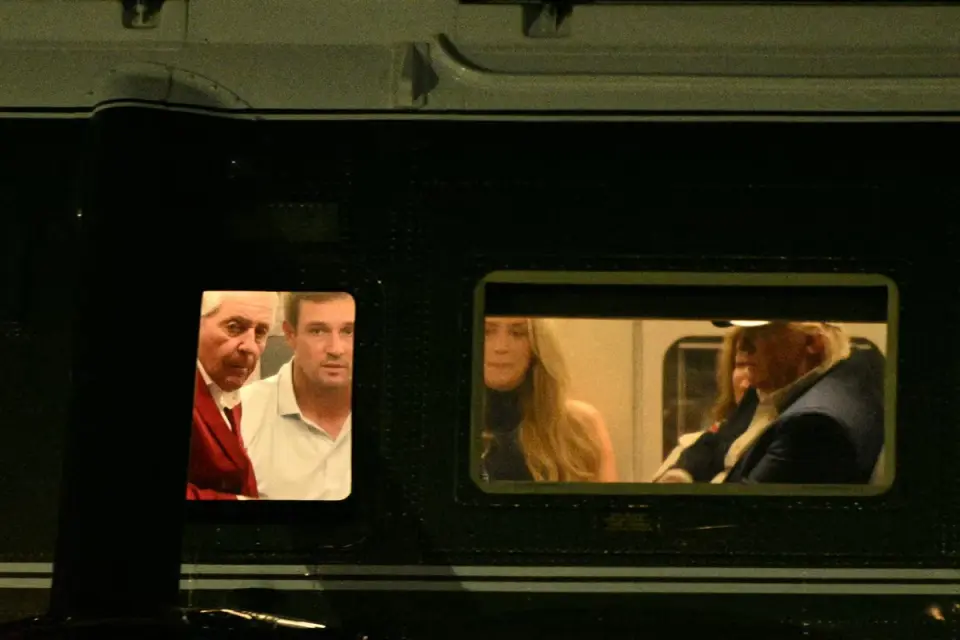
President Donald Trump cut short his weekend stay at Camp David and returned to Washington on Saturday evening, according to The Independent and Anadolu Ajansı. The move coincided with a new State Department travel warning regarding escalating tensions in the Middle East, specifically involving Houthi attacks on Saudi Arabia. While no official reason was given for the schedule change, the timing suggests a response to rising security risks. Trump was accompanied by golfers Gary Player and Bryson DeChambeau during the trip, which ended abruptly as the administration warned of potential rapid escalation in the region.
Key points
- Trump returned to the White House via Marine One around 7 pm local time on Saturday, cutting his Camp David weekend short.
- The State Department issued a travel warning urging Americans to reconsider travel to the Middle East due to complex security conditions.
- The warning cited Houthi hostilities against Saudi Arabia, including attacks on civilian airports, and potential targeting of US interests.
- A NORAD F-16 intercepted a general aviation aircraft near Camp David earlier in the day, though officials said it posed no threat.
- Trump was accompanied by golfers Gary Player and Bryson DeChambeau during the shortened retreat.
Background
This development follows recent diplomatic shifts regarding the Iran conflict, where Trump previously signaled a move toward pressure-based strategies rather than quick deals. The current tension in Yemen and the Strait of Hormuz reflects the broader instability in the region that has been affecting global oil supplies and diplomatic efforts since late 2026.
How outlets are covering it
The Independent emphasizes the personal aspect of the trip, noting the presence of high-profile golfers, while Anadolu Ajansı focuses on the logistical and security details, such as the specific time of arrival and the lack of an official reason for the change. Both outlets agree on the timing but differ in their framing of the event's significance.
Why it matters
The abrupt change in the president's schedule highlights the administration's sensitivity to escalating regional conflicts. The State Department's warning indicates a potential for rapid escalation involving US interests, which could impact global security and economic stability, particularly regarding oil supplies through the Strait of Hormuz.
What to watch
The administration may issue further security updates or diplomatic statements as the situation in the Middle East evolves. Close monitoring of Houthi activities and US-Iran diplomatic channels will be crucial in determining whether the current tensions lead to broader conflict or de-escalation.
- Trump heads back to DC early – with two top golfers at his side The Independent
- Trump returns to White House as State Department issues security alerts for Middle East The Hill
- US Warns Of Houthi Escalation As Trump Cuts Short Camp David Stay i24NEWS
- Trump cuts short Camp David stay amid rising Middle East tensions Anadolu Ajansı
- Trump returns to White House from Camp David a day earlier than scheduled; no reason given The Times of Israel
Want the full story? Read the original reporting
Read on The Independent