
Vance Blames Iran War for GOP Midterm Defeat, Marking Sharp Break With Trump
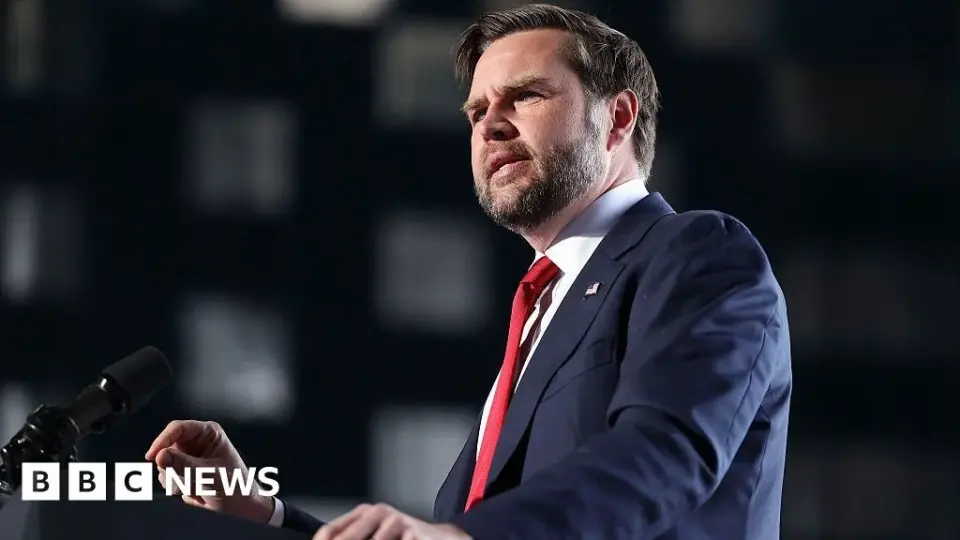
Vice President JD Vance has publicly blamed the US military conflict with Iran for the Republican Party’s severe losses in the 2026 midterm elections. In a lengthy post on X, Vance stated that the war was the primary reason for the defeat, noting that many voters who supported the 2024 ticket switched to Democrats in 2026 due to anger over the conflict, rising costs, and inflation. This statement marks a significant departure from President Donald Trump, who defended the decision to launch attacks despite acknowledging the war’s impact. Following Vance’s comments, global oil prices dropped sharply, with Brent crude falling below $100 a barrel, as markets interpreted the political shift as reducing the likelihood of further escalation in the Middle East.
Key points
- Vance stated in a post on X that the war with Iran was the main reason Republicans lost control of Congress, contradicting the administration's previous defensive stance.
- Vance cited pollsters who indicated that voters who supported Trump and Vance in 2024 switched to Democrats in 2026, driven by frustration over the war, cost of living, and inflation.
- President Trump acknowledged Vance’s assessment was 'largely true' but maintained that he would have made the same decision regarding the Iran conflict, arguing that voters were unwilling to accept short-term economic consequences.
- Global oil prices plummeted following Vance’s comments, with Brent crude falling more than 8% to approximately $95 a barrel, reaching its lowest level in over two months.
- Vance urged Republicans to avoid infighting and focus on economic messaging, while experts suggest his comments aim to distance him from the unpopular conflict ahead of a potential 2028 presidential run.
Background
This development follows a period of intense political activity for Vice President Vance in late October 2026, including a canceled federal anti-fraud announcement in Minnesota and a controversial visit to the Cincinnati Bengals' practice facility. These events occurred just days before the midterm elections, during which Vance was actively campaigning. The current statement represents a pivot from his previous campaign activities to a post-election critique of the administration's foreign policy decisions.
How outlets are covering it
The New York Times characterized Vance’s statement as a 'remarkable break' from President Trump, highlighting the 600-word post as a broader critique of the administration’s agenda and an attempt to separate himself from the president. BBC reported that Vance’s comments were his first since the party's defeat and noted that he discussed the losses with pollsters who identified a shift in voter behavior rather than a failure to mobilize. While Trump conceded the war was a factor, he stood by his decision, creating a visible rift within the party. Market analysts, as reported by BBC, interpreted the political landscape as reducing the risk of wider Middle East conflict, leading to the sharp decline in oil prices. The sources agree on the factual outcome of the elections and the price drop but differ in emphasis: NYT focuses on the political schism, while BBC highlights the economic and market reactions.
Why it matters
Vance’s public attribution of blame signals a potential realignment within the Republican Party and may influence future foreign policy decisions. The sharp drop in oil prices indicates that markets are pricing in a reduced likelihood of further military escalation in the Middle East. For the Trump administration, the loss of congressional control limits domestic power, while the internal disagreement over the Iran war may shape the party's strategy for the 2028 presidential cycle. The statement also highlights the economic impact of the conflict, with inflation and fuel costs cited as key drivers of voter dissatisfaction.
What to watch
Republicans are expected to face internal debate over the causes of their defeat, with Vance urging a focus on economic messaging rather than infighting. The Democratic-controlled Congress may now consider actions to end the Iran war, as noted in related BBC coverage. Investors will continue to monitor oil prices and Middle East tensions, with current levels reflecting a perceived lower risk of escalation. The administration may face increased scrutiny over its foreign policy decisions as the new Congress takes office.
- Vance says Republicans lost big because of Iran war: 'Everyone knows why we lost' BBC
- Vance, in Break With Trump, Blames Iran War for Republicans’ 2026 Midterm Losses The New York Times
- The blame game: Administration points finger at Iran after major GOP midterm loss The Hill
- Inside Vance's midterms post blaming Iran war Politico
- Oil prices plunge after Vance post on Iran war Axios
Want the full story? Read the original reporting
Read on BBC