
Bolivia’s Cloud Forest Yields First New Wild Cat Species in Over a Century
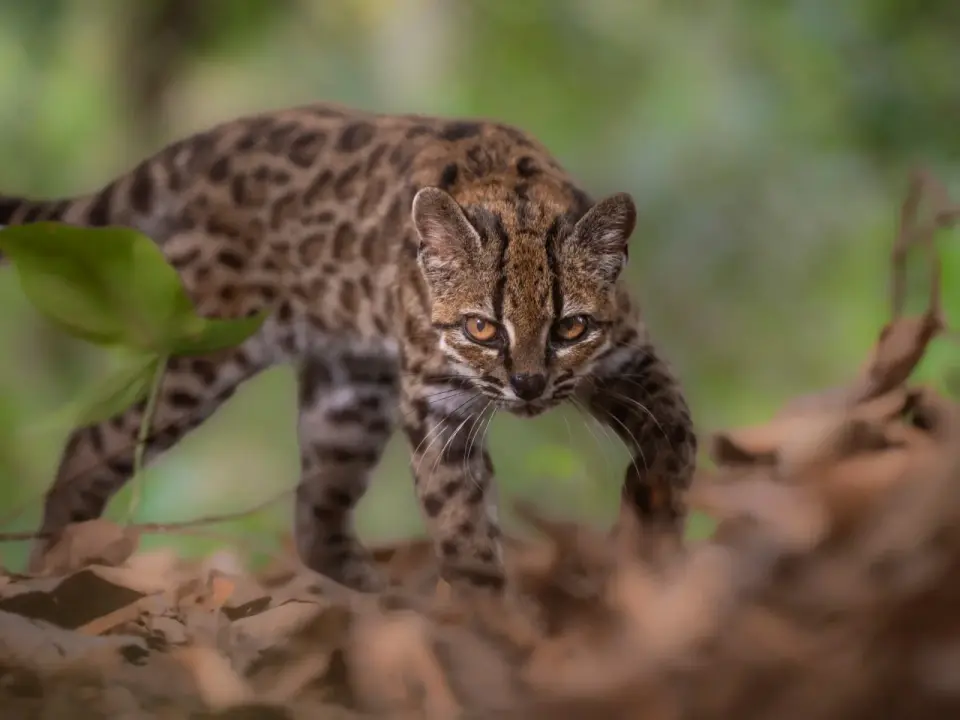
Scientists have formally identified a new wild cat species, Leopardus tilcayo, in Bolivia’s Yungas cloud forests. This discovery marks the first new living feline species described in over 100 years. The small, rosette-patterned cat was confirmed through DNA analysis, which also revealed that tiger cats comprise five distinct species rather than three. While only one living individual is currently known, researchers believe the population is larger but remains critically vulnerable to habitat loss.
Key points
- Leopardus tilcayo is the first new wild cat species identified in over a century, following the Uruguayan pampas cat in 1923.
- The cat measures approximately 46cm in length and weighs about 1.4kg, featuring light brown fur with irregular rosettes.
- DNA analysis of 38 samples revealed that tiger cats are actually five distinct species, not the three previously assumed.
- The species diverged from other tiger cats approximately 1.4 million years ago, according to genetic studies.
- Only one confirmed living individual, a 10-year-old male named Tigrino, is currently housed in a Bolivian sanctuary.
- The discovery was led by National Geographic Explorer Paola Nogales-Ascarrunz and published in the journal Current Biology.
Background
Previous coverage from our archive in September 2026 highlighted the initial genetic confirmation of this species and the broader implications for South American biodiversity. Earlier reports noted that indigenous communities had long known of the cat, but scientific validation was delayed due to the difficulty in distinguishing cryptic species. The current news cycle expands on these earlier findings by detailing the specific genetic divergence timeline and the broader reclassification of the tiger cat family.
How outlets are covering it
Al Jazeera emphasizes the historical significance of the discovery, noting it is the first new feline species described in over a century, and highlights the physical characteristics of the cat. CBS News focuses on the conservation status, noting that the species is currently classified as vulnerable but may face greater risks due to low population numbers, and details the fate of the two known individuals. BBC highlights the broader taxonomic implications, suggesting the total number of cat species may rise from 41 to 44 or 45, and notes that the discovery was triggered by a local resident mistaking the wild cat for a domestic kitten. All sources agree on the scientific name and the lead researcher, but differ in their emphasis on the immediate conservation urgency versus the broader biological classification.
Why it matters
This discovery underscores the significant gaps in our understanding of biodiversity in less-studied regions like the Bolivian Yungas. It highlights the need for updated conservation strategies, as the species was previously missing from IUCN assessments. The finding that tiger cats are more diverse than previously thought suggests that many other 'cryptic' species may exist, potentially altering global wildlife protection policies and highlighting the vulnerability of small, elusive mammals to habitat loss.
What to watch
Researchers are installing camera traps in the Yungas region to estimate the population size and distribution of Leopardus tilcayo. The IUCN is expected to reassess the conservation status of the species and the other four newly identified tiger cat lineages. Conservationists are calling for immediate protection of the cloud forests in Bolivia to prevent the potential extinction of this newly recognized species.
- New tiger cat species identified in Bolivia, first in over a century Al Jazeera
- Meet the First New Cat Species Discovered in 100 Years National Geographic
- New species of wild cat discovered for first time in more than a century, researcher says CBS News
- Spotted wildcat from Bolivian forest revealed as new species BBC
- First new feline species in 100 years discovered in Bolivian forest ABC News - Breaking News, Latest News and Videos
Want the full story? Read the original reporting
Read on Al Jazeera