
Tag

Wildlife Discovery

All articles tagged with #wildlife discovery

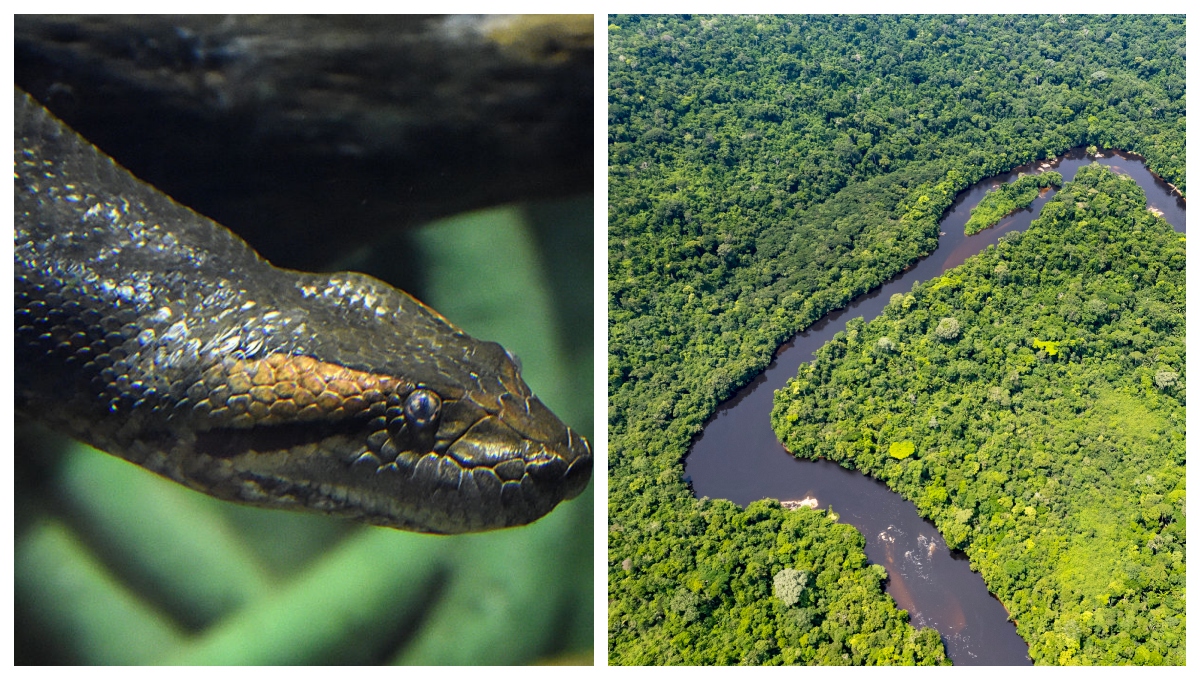
"Record-Breaking Discovery: Amazon's Massive New Anaconda Species"
wildlife-discovery2 years ago

"Record-Breaking Discovery: Amazon's Massive New Anaconda Species"

National Geographic exploration group discovered what is believed to be the world's largest snake, a 26-foot, 440-pound Northern Green Anaconda in the Amazon rainforest, with a head larger than a human's. The discovery was made during filming for a National Geographic Disney+ series, and scientists believe it to be a new type of anaconda due to a genetic mutation.
"Record-Breaking Giant Anaconda Uncovered in Amazon Rainforest During Documentary Filming"
wildlife-discovery2 years ago

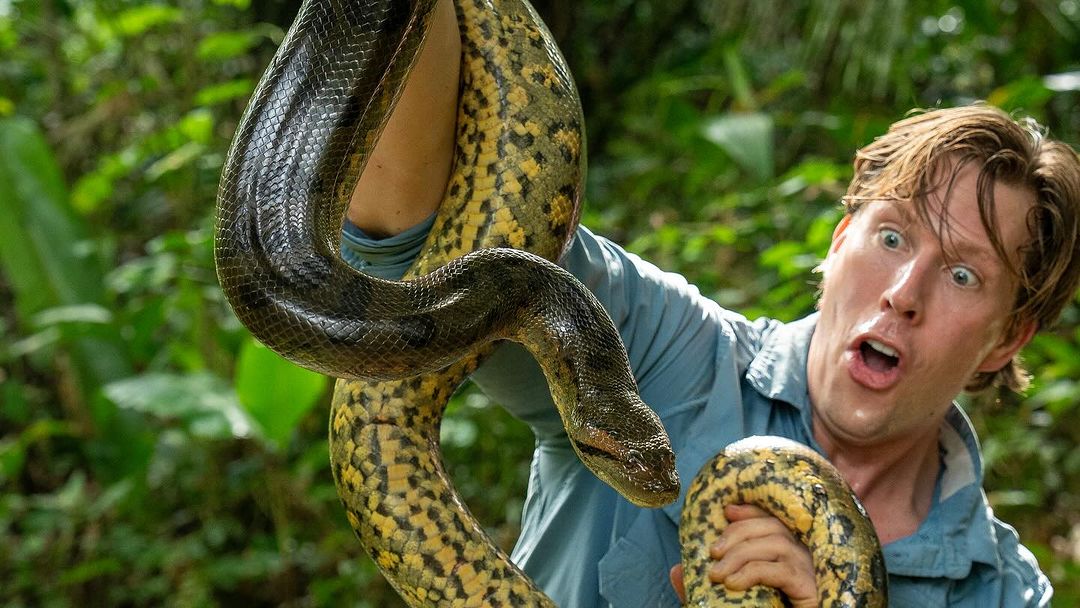
"Record-Breaking Giant Anaconda Uncovered in Amazon Rainforest During Documentary Filming"

Scientists have discovered the world's largest and heaviest snake, a 26-foot-long, 440-pound anaconda in the Amazon rainforest, previously undocumented and named 'Eunectes akayima'. The finding, made during a National Geographic expedition for a Disney+ series, revealed that the northern green anaconda is a separate species from the known southern green anaconda, diverging genetically 10 million years ago. This discovery is crucial for anaconda conservation as apex predators vital to their ecosystems.

Newly Discovered Angolan Species: Pregnant Creature with Unique Skin Texture
science-and-nature2 years ago

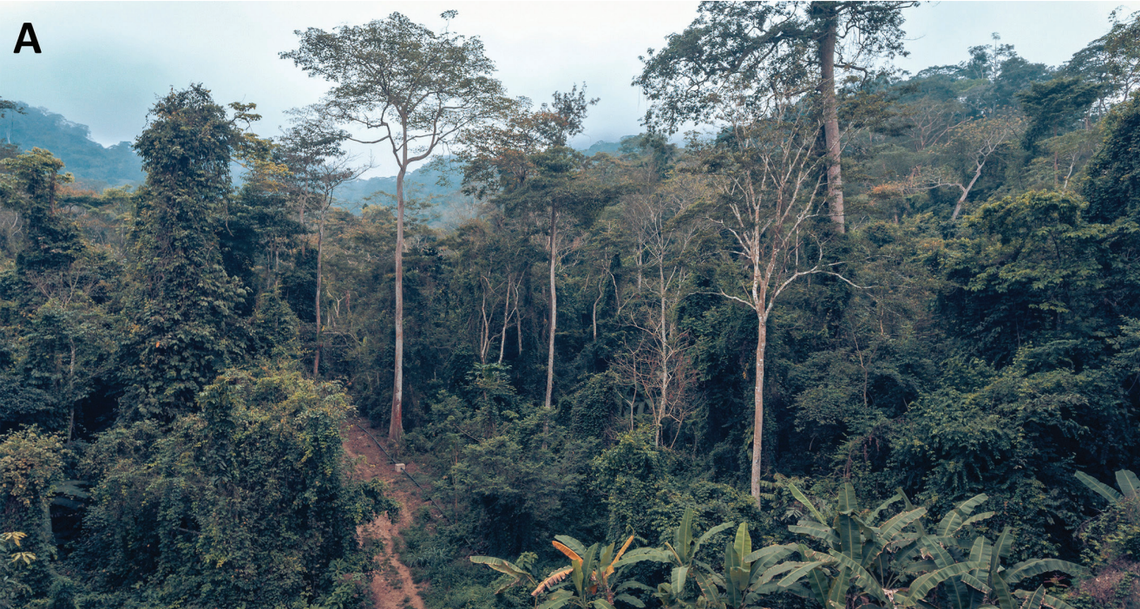
Newly Discovered Angolan Species: Pregnant Creature with Unique Skin Texture

Scientists in Angola discovered a new species of toad, named Fernanda's pygmy toad (Poyntonophrynus fernandae), in rocky escarpment areas during wildlife surveys. The toads have a "sandpaper"-like skin, reach just over an inch in size, and exhibit color variations between males and females. They were found near large granite boulders in various habitats, including a coffee plantation and savannah area. The new species was named after Fernanda Lages, a genetics researcher and professor in Angola. DNA analysis revealed a genetic divergence of 3% to 12% from other pygmy toads.