
Unraveling the Genetic Complexity of Autism: Insights into Cell-Specific Effects and Multipurpose Genes
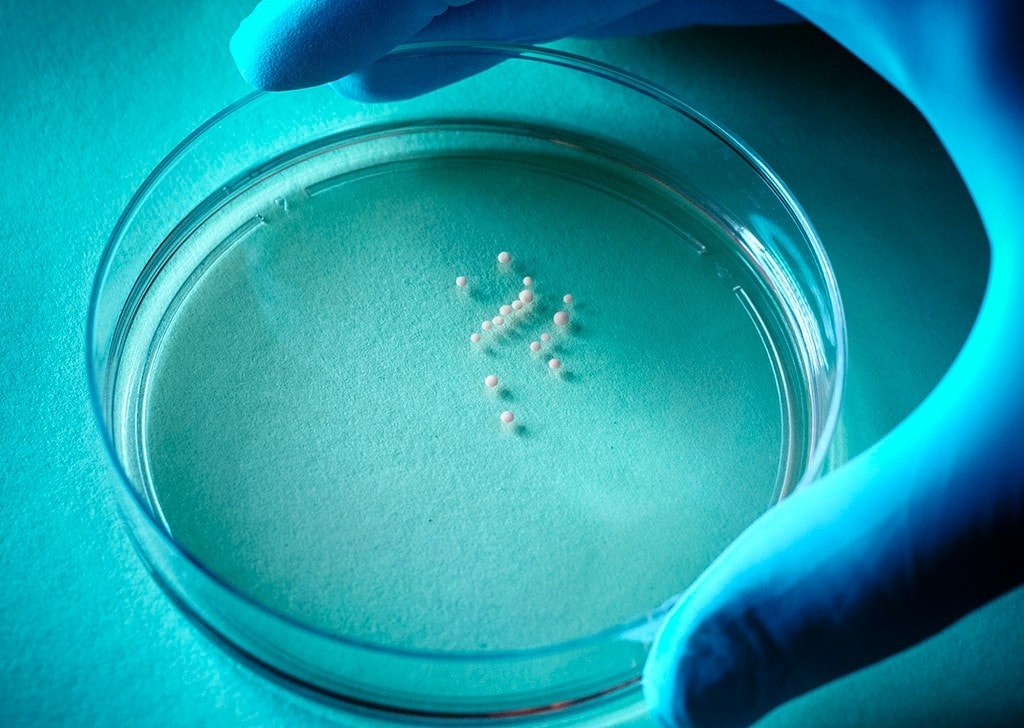
Scientists at Stanford University have identified several dozen genes that interfere with crucial steps in brain development and may contribute to autism. Using advanced techniques to simulate brain development in a lab dish, the researchers discovered that an imbalance between excitatory and inhibitory nerve cells in the cerebral cortex may be a cause of autism. By testing 425 genes linked to neurodevelopmental disorders, the team identified 46 genes that affect the generation and migration of inhibitory interneurons. The findings provide a better understanding of the biological basis of autism and may pave the way for future treatments tailored to individual patients. However, it is important to recognize that autism is a complex spectrum of disorders with multiple possible causes, and more research is needed to address the diverse needs of individuals with autism.
- Scientists discover how dozens of genes may contribute to autism The Washington Post
- Mutations in multipurpose gene deal dendrites a double whammy Spectrum - Autism Research News
- Method pinpoints cell-specific effects of autism-linked mutations Spectrum - Autism Research News
Reading Insights
0
9
5 min
vs 6 min read
88%
1,076 → 133 words
Want the full story? Read the original article
Read on The Washington Post