
Rare Immune Cells Surge in Centenarians, Offering Clues to Extreme Longevity
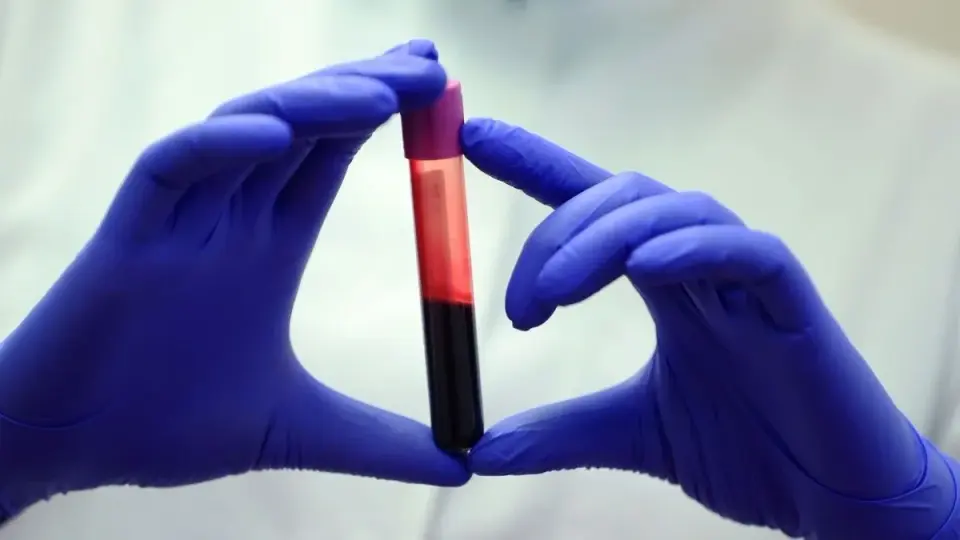
A new study reveals that people living past 100 years have significantly higher levels of rare cancer-killing immune cells. These cells appear to adapt and multiply in response to age-related threats, potentially explaining why some individuals avoid common diseases of old age.
Key points
- Researchers found that CD4 cytotoxic T lymphocytes (CD4 CTLs) increase dramatically in people over 100, reaching 17.6% of T cells in supercentenarians compared to 4% in those aged 70-90.
- The study, published in Cell Reports, analyzed blood samples from 28 Japanese participants, including 10 supercentenarians aged 110 or older.
- These rare killer cells show signs of active clonal expansion, suggesting they are responding to persistent antigens rather than simply declining with age.
- Approximately 33% of CD4 CTLs in older participants were clones of a single original cell, with one centenarian showing over 50% clonal expansion.
- The cells did not show signs of exhaustion, indicating they remain functional and capable of targeting abnormal or cancerous cells in extreme old age.
Background
This research builds on a 2019 finding by the same team that supercentenarians have relatively high numbers of CD4 CTLs. Previous studies have also explored other factors in longevity, such as stem cell activity and genetic markers, but this is the first to detail the adaptive mechanism of these specific immune cells in the oldest living humans.
How outlets are covering it
While ScienceAlert and Scientific American highlight the potential link between these cells and cancer prevention, Nature emphasizes that the exact function of these cells remains unproven. New Scientist notes the small sample size but argues it is substantial given that Japan has only about 150 supercentenarians. Immunologists outside the study, such as Rahul Sharma, caution that the cells might not necessarily benefit the body, while others view the findings as a starting point rather than a breakthrough.
Why it matters
Understanding how the immune system adapts in extreme old age could lead to new strategies for enhancing cancer immunosurveillance and promoting healthy aging in the general population. If researchers can replicate this beneficial immune response, it may help reduce the risk of age-related diseases.
What to watch
Future research aims to identify the specific targets of these CD4 CTLs and determine if their expansion can be induced in younger individuals. Scientists plan to use larger single-cell datasets to understand these rare cells before they expand in extreme old age.
- People Who Live Past 100 Have a Surprising Abundance of Cancer-Killing Immune Cells ScienceAlert
- How do people live beyond 110? Abundance of cancer-killing cells might be key Nature
- Supercentenarians have a cellular superpower Scientific American
- Supercentenarians have hypervigilant immune systems that fight off cancer New Scientist
- How ‘super-agers’ may stay healthy beyond 100 The Times
Want the full story? Read the original reporting
Read on ScienceAlert