Tag

Centenarians

All articles tagged with #centenarians

Centenarians’ Blood Signatures Hint at Slower Aging
science2 days ago

Centenarians’ Blood Signatures Hint at Slower Aging

A Swiss study analyzing blood from centenarians (100–105) found 37 of 724 serum proteins resemble those of younger people, suggesting key aging mechanisms can slow rather than stop; centenarians show lower oxidative stress markers, more youthful extracellular-matrix proteins, and a metabolism that remains balanced, with lifestyle factors highlighted as a powerful longevity lever.

Centenarian Blood Reveals a 37-Protein Blueprint for Slower Aging
science1 month ago

Centenarian Blood Reveals a 37-Protein Blueprint for Slower Aging

Swiss researchers comparing blood from ages 30–60, 80–90, and 100+ found 37 proteins (about 5% of the 700+ measured) in centenarians that resemble the young group more than octogenarians, suggesting key aging mechanisms can be slowed. These proteins affect immunity, metabolism, red blood cell recycling, extracellular matrix maintenance, and oxidative stress, aligning with inflammaging and underscoring lifestyle factors—nutrition, exercise, and social connections—as actionable ways to promote healthy aging. Published in Aging Cell.

Weight and protein, not meat avoidance, influence 100-year odds for those over 80
health-and-medicine1 month ago

Weight and protein, not meat avoidance, influence 100-year odds for those over 80

A Chinese study of more than 5,000 adults aged 80 or older found that non-meat eaters were less likely to reach 100, but this only applied to participants who were underweight. Those who included modest amounts of animal-source foods such as fish, eggs, or dairy had similar odds of becoming centenarians as meat eaters, suggesting that maintaining adequate protein and key nutrients to prevent malnutrition and loss of lean mass is crucial in late life. The study is observational, so it shows associations rather than causation, and it emphasizes that nutrition needs change with age: for the very old, sustaining muscle and preventing frailty may matter more than long-term disease prevention.

Ice-Age DNA Linked to Living Past 100, Italian Study Finds
science2 months ago

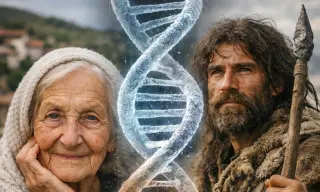
Ice-Age DNA Linked to Living Past 100, Italian Study Finds

Italian researchers analyzed DNA from over 1,000 individuals and found that centenarians carry more Western Hunter-Gatherer DNA, particularly the Villabruna cluster from about 14,000 years ago, which is linked to immune response and cellular repair. In a comparison of 333 centenarians and 690 younger adults, those with hunter-gatherer ancestry had about 38% higher odds of living to 100+, with the signal strongest in women. The study suggests ancient genomic patterns may influence aging and inflammaging, though environment and healthcare remain important and further lab work is needed to confirm functional effects.

Scientists Find Clue to Longevity in Italian Village
health-and-longevity10 months ago

Scientists Find Clue to Longevity in Italian Village

Scientists studying Italian centenarians in Cilento have identified diet, lifestyle, and biological factors, such as a Mediterranean diet rich in olive oil, physical activity, social engagement, and unique immune responses, as key contributors to their exceptional longevity and health. Advanced bio-analytical tools reveal these individuals are biologically younger than their chronological age, with genetic and epigenetic factors playing a significant role, offering insights into promoting healthy aging for others.

Centenarians' Secret: Superfoods and Longevity Stew for a Century-Long Life
health-and-lifestyle1 year ago

Centenarians' Secret: Superfoods and Longevity Stew for a Century-Long Life

Centenarians attribute their longevity to healthy eating habits, including consuming fresh, whole foods, cooking at home, and eating in moderation. Many follow diets like the Mediterranean diet, which is rich in fruits, vegetables, and olive oil, and avoid processed foods. They also allow themselves occasional treats, which experts say can make healthy eating more sustainable. Lifestyle choices, alongside genetics and environmental factors, play a significant role in living to 100.